
Bangladesh eases clearance of all goods from Pakistan
Restrictions were imposed by Hasina Wajid government which was thrown out by people of country in August
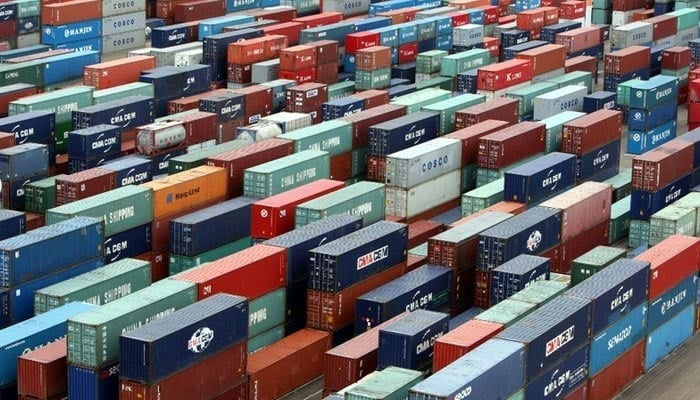
ISLAMABAD: Bangladesh has scrapped the mandatory 100 percent physical inspection of all imported goods from Pakistan, a decision aimed at expediting Customs clearance and improving trade efficiency.
Well-placed sources said here Wednesday that the Bangladesh National Board of Revenue (NBR) has officially told the country’s Customs houses across Bangladesh about the development, explaining that the previous policy, which mandated manual inspections for all consignments from Pakistan under the National Selectivity Criteria of the ASYCUDA World system, was no longer necessary. Pakistan has been informed of the decision.
The restrictions were imposed by Hasina Wajid government which was thrown out by the people of the country in August this year. The move has come in the wake of Prime Minister Shehbaz Sharif’s meeting with Bangladesh Chief Adviser Dr Muhammad Younis late last month in New York on the margins of the United Nations General Assembly (UNGA) summit.
The NBR letter noted that customs officials at the assistant and deputy commissioner levels had been spending significant time clearing shipments through the “Red Lane” — a high-risk classification that requires both documentary review and physical inspection. However, it acknowledged that these inspections had yielded no significant findings. Given the absence of meaningful results from the physical examinations, the Dhaka Customs House proposed excluding goods from Pakistan from the National Selectivity Criteria, the letter says.
Under the ASYCUDA World system, shipments are categorised based on risk levels. Low-risk consignments pass through the “Green Lane,” which requires no inspections, while moderate-risk goods enter the “Yellow Lane” for document review only. High-risk goods are directed to the “Red Lane” for thorough inspection.
With the new directive, Pakistan’s exports will no longer be automatically classified as high-risk. Instead, Customs officials will implement a Product-Based Risk Management system under the local criteria, allowing more flexibility in handling Pakistani imports.
Bangladesh imports a wide range of products from Pakistan, including cotton, yarn, chemicals, wheat, plastic materials, leather, and petroleum products. Other notable imports include food items such as baby food, rice, and fruits, as well as surgical equipment and electric fans. The removal of mandatory inspections is expected to benefit businesses importing these goods, reducing delays and potentially lowering costs, the sources added.


