
Bridgestone latest Japanese firm to end Olympics sponsorship
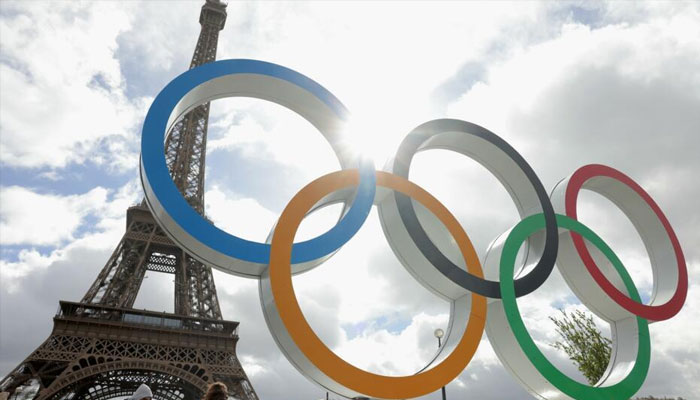
TOKYO: Tyre giant Bridgestone has become the latest Japanese firm to end its Olympics and Paralympics sponsorship, following pullouts by Toyota and Panasonic, saying it wants to focus on motorsport.
The firms have been cryptic about the reasons for their decisions but analysts point to the ill-fated 2020 Tokyo Olympics and declining viewer numbers among young people. Bridgestone said on Tuesday that it would not renew sponsorship deals with the International Olympic Committee (IOC) for the Olympics and Paralympics, dating back to 2014 and 2018 respectively, that expire this year.
Bridgestone “strongly believes in the IOC’s vision of ‘building a better world through sport’ and... ‘an inclusive world through Para Sport’,” it said. It will now concentrate more on motorsport events where tyre products “can directly challenge performance, drive innovation, and create widespread value”, Bridgestone said in a statement.
Japanese electronics giant Panasonic and auto titan Toyota said last month they had also decided to end their Olympics partnerships. Toyota, the biggest automaker by sales, has reportedly spent some $835 million since signing a deal with the IOC in 2015.
Toyota’s chairman Akio Toyoda said on a podcast last month that the Olympics were “becoming increasingly political” and questioned “whether the event is truly putting athletes first”. “For me, the Olympics should simply be about watching athletes from all walks of life, with all types of challenges, achieve their impossible,” Toyoda said.
Panasonic, whose partnership with the Olympics dates back to 1987, was even less forthcoming. It said it decided to let the contract expire “as the Group continually reviews how sponsorship should evolve with broader management considerations”.
The exit by the three firms leaves no Japanese companies among the IOC’s top sponsors, which include brewing giant ABInBev, Airbnb, Coca-Cola, Intel, Samsung and others. Munehiko Harada, a sports business professor, said the experience of the Tokyo Olympics may have turned them off further involvement. The Tokyo Games were delayed by a year because of the Covid-19 pandemic and then held with spectators banned from most venues, limiting the sponsors’ exposure.
The Japanese public was bitterly divided about staging the Games at all and the event’s image was further sullied by corruption scandals and cost over-runs. However Harada, who is president of the Osaka University of Health and Sport Sciences, said the commercial value of the Olympics has also “dramatically fallen”.
“TV viewership (of the Olympics) in the United States is very low, with lots of other competitive content available, such as X Games and the FIFA World Cup,” Harada told AFP. “The Olympic Games has a ‘clean venue’ principle, which means corporate logos can’t be seen inside competition fields. But in other sports events you see the corporate logos,” he said.






-
 James Van Der Beek's Friends Helped Fund Ranch Purchase Before His Death At 48
 -
 King Charles ‘very Much’ Wants Andrew To Testify At US Congress
 -
 Rosie O’Donnell Secretly Returned To US To Test Safety
 -
 Meghan Markle, Prince Harry Spotted On Date Night On Valentine’s Day
 -
 King Charles Butler Spills Valentine’s Day Dinner Blunders
 -
 Brooklyn Beckham Hits Back At Gordon Ramsay With Subtle Move Over Remark On His Personal Life
 -
 Meghan Markle Showcases Princess Lilibet Face On Valentine’s Day
 -
 Harry Styles Opens Up About Isolation After One Direction Split
 -
 Shamed Andrew Was ‘face To Face’ With Epstein Files, Mocked For Lying
 -
 Kanye West Projected To Explode Music Charts With 'Bully' After He Apologized Over Antisemitism
 -
 Leighton Meester Reflects On How Valentine’s Day Feels Like Now
 -
 Sarah Ferguson ‘won’t Let Go Without A Fight’ After Royal Exile
 -
 Adam Sandler Makes Brutal Confession: 'I Do Not Love Comedy First'
 -
 'Harry Potter' Star Rupert Grint Shares Where He Stands Politically
 -
 Drama Outside Nancy Guthrie's Home Unfolds Described As 'circus'
 -
 Marco Rubio Sends Message Of Unity To Europe