
If not managed well, CPEC could be a missed opportunity: ex-ambassador
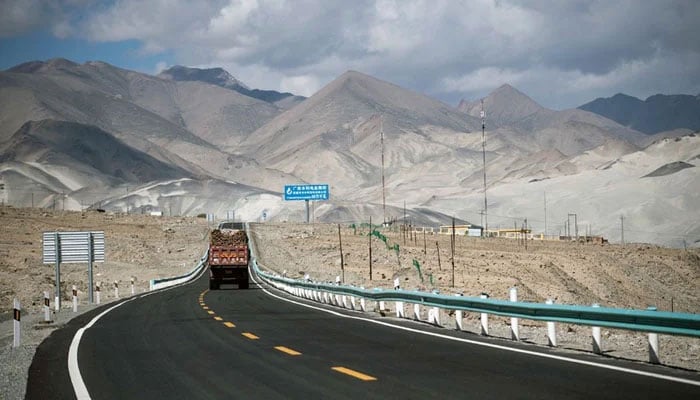
Islamabad : Pakistan’s future development requires a clear strategy that integrates nation-building efforts into policy decisions to address governance crisis, foster ideological unity, and leverage the nation’s untapped potential in emerging sectors like tourism and technology.
Additionally, there is a need for a unified, comprehensive approach in policy decisions and reforms to address the complex challenges that have built up over the last seven decades.
This was the central message delivered by former diplomats during the annual meeting of National Advisory Council of the Institute of Policy Studies (IPS) here.
The event, moderated by former ambassador and IPS vice chairman Syed Abrar Hussain and chaired by IPS chairman Khalid Rahman, was held to garner intellectual input from veteran practitioners for the leading think tank's research activities and realistic ideas regarding national issues.
Former ambassador Masood Khalid highlighted Pakistan’s policy-making crisis, stressing that “policies made in silos” lead to weak coordination and ineffective implementation.
He highlighted the absence of strategic clarity and the internal tension between reformists seeking change and those clinging to the status quo as major barriers to progress.
Mr Khalid said that tug-of-war reflected a deeper crisis within Pakistan’s policy-making framework.
"One such example is Pakistan’s approach to the China-Pakistan Economic Corridor. While CPEC presents a unique window of opportunity, the lack of coherent, strategic policies jeopardises its potential. If CPEC is not managed attentively and diligently, it could become a missed opportunity, reflecting broader policy dysfunction," he said.
The ex-envoy said in order to capitalise on such opportunities, Pakistan must create an enabling environment that fostered ease of business, particularly for Chinese investments.
Former ambassador and former AJK President Sardar Masood Khan, who was also in attendance, said nation-building must be prioritised to strengthen national unity and identity.
“As an ideological state, Pakistan must assert its core principles with confidence,” he stated. He warned of the growing ideological disunity among both the leadership and the general populace.
Mr Khan said Pakistan must find a balance, learning from these trends while staying true to its ideological roots.







-
 Will King Charles Bow To Public Pressure Over US Visit Amid Middle East War?
 -
 Who's Itamar Ben-Gvir?
 -
 Meghan Markle, Prince Harry Issued Stark Warning Ahead Of Australia Trip
 -
 Why Uber Just Launched Its Women-only Option In The US To Address Safety Concerns
 -
 Yann LeCun’s ‘world Model’ AI Vision Challenges LLM Road To Superintelligence
 -
 UK Parliament Rejects Immediate Social Media Ban For Children Under-16s, Supports Flexible Regulations
 -
 Andrew Finally Reaches Major Agreement With King Charles?
 -
 Diddy Teases Major Plans For Post-prison Life
 -
 King Charles Sends Message To Prince Edward After Duke Of Edinburgh Skipped 2026 Commonwealth Day Service
 -
 'Blank Book’ Revolt: How Authors Are Fighting AI Copyright Violations
 -
 Kylie Jenner's Ex Makes Bombshell Confession Amid Her Relationship With Timothée Chalamet
 -
 Beatrice, Eugenie Are In Trouble As Kate Middleton Makes Her Cuts: ‘Even Properties Are Under Review’
 -
 Tom Ellis Opens Up About Sharing Screen With One 'Tell Me Lies' Co-star On 'CIA'
 -
 ‘AI Brain Fry’: Experts Break Down The Surprising Mental Toll Of Using Chatbots At Work
 -
 Nvidia To Launch Open-source AI Agent ‘NemoClaw’ Amid OpenClaw Hype
 -
 William’s Thoughts About Prince Harry Take Turn For The Worse: ‘Really Thought His Judgement Was Better’