Why Uber just launched its women-only option in the US to address safety concerns
The feature was piloted in the US last year and led to women feeling more comfortable in the back seat
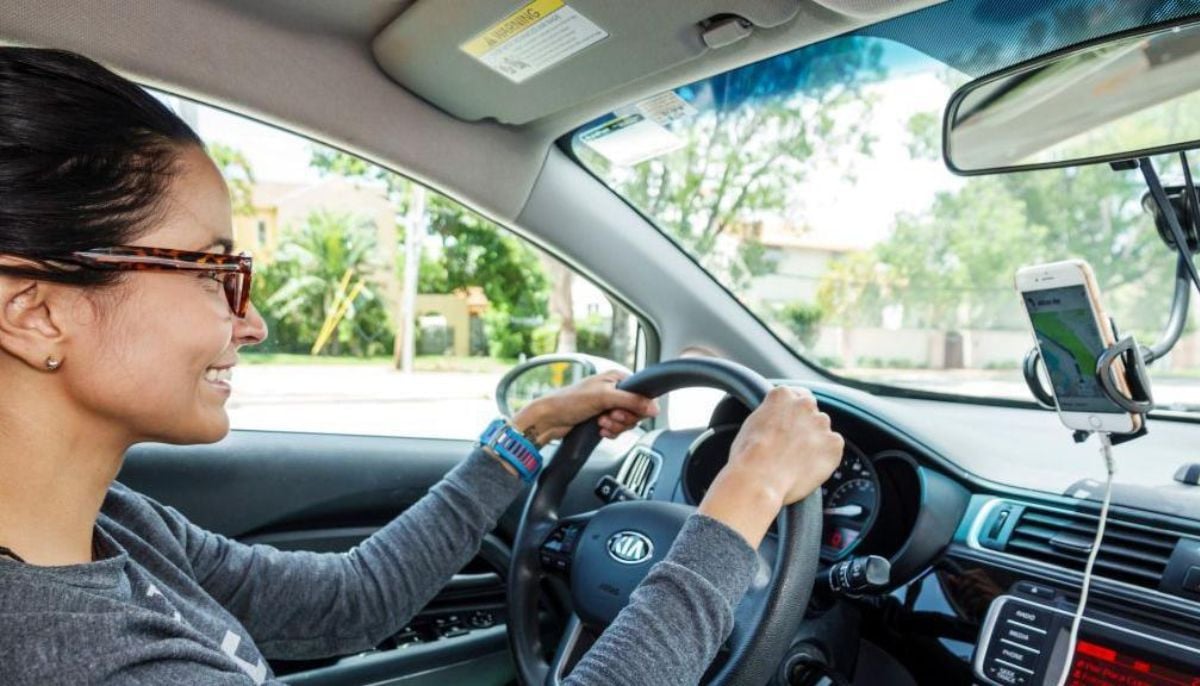
Uber has successfully expanded its women preferences’ feature nationwide across the United States. The recent rollout, following successful pilots in several major cities, is designed to increase safety and comfort for both riders and drivers. The feature was piloted in the US last year and led to women feeling more comfortable in the back seat and feeling more confident, the company said in a statement.
However, the recent expansion comes despite an ongoing class action lawsuit in California filed by Uber drivers who argue the policy constitutes significant discrimination against men.
According to Uber, around one-fifth of its drivers in the US are women, although the exact ratio varies by city. Uber’s “Women Preferences" was launched on Monday, in response to women riders and drivers who told the firm they wanted more control over how they ride and earn.
The recent move enables women to reserve a trip with female drivers in advance or set their preferences accordingly. Additionally, in cities where teen accounts are available, teens and their parents can also request female drivers.
This follows a recent incident in which two California Uber drivers filed a class-action lawsuit accusing the company of violating California legislation by potentially giving female drivers a wider pool of passengers.
The company has already implemented the woman-matching option for drivers in more than 40 countries and for riders across seven countries, including Spain, Brazil, and Saudi Arabia.


-
 OpenAI delays public launch of GPT-5.6 amid US government vetting
 -
 Former Meta employees sues company, says it is trying to silence her
 -
 Europe risks falling behind in space defence, experts warn
 -
 New AI weapon? China's bold claim of 'cyber nuclear weapon' raises alarm
 -
 What is Q-day? Biggest cybersecurity threat you've never heard of
 -
 Apple supplier restricts system access after major data breach
 -
 TikTok, YouTube deactivates 4.7m under-16 accounts in Indonesia
 -
 Why Italy is joining the US-led Pax Silica AI initiative despite tensions with Trump