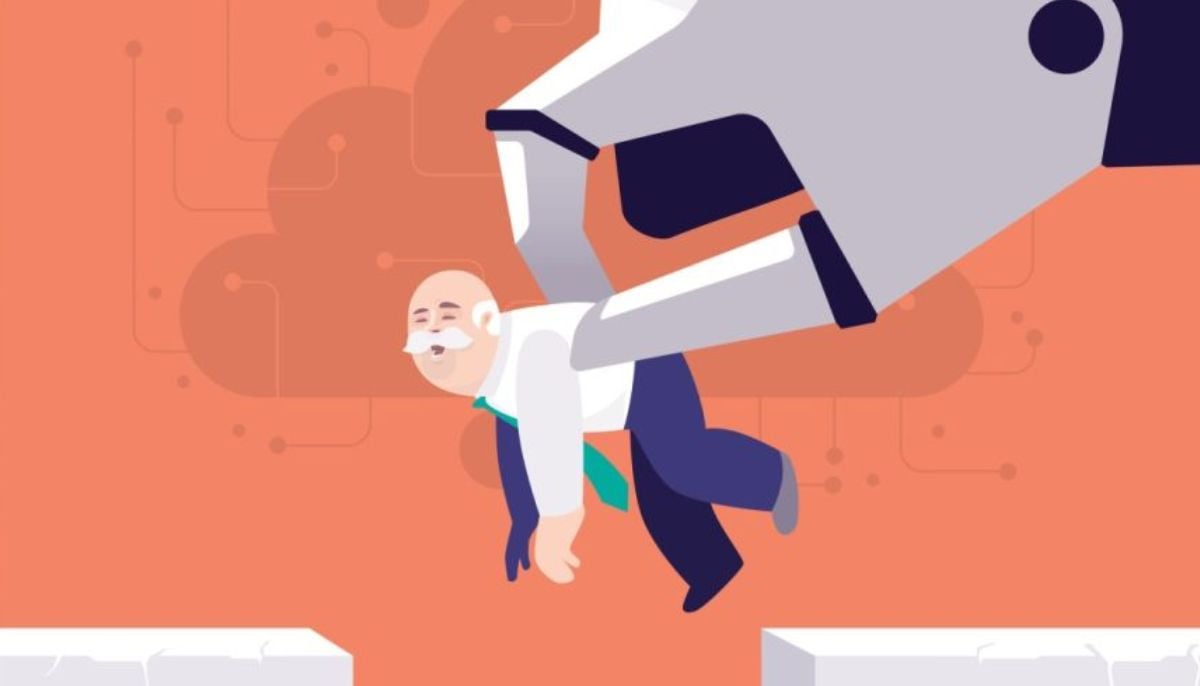
‘AI brain fry’: Experts break down the surprising mental toll of using chatbots at work
Mental exhaustion stemming from AI becomes more common as employees build more AI agents

According to a new study, mental exhaustion stemming from AI becomes more common as employees build more AI agents. Someone experiencing this acute mental drain may be suffering from what researchers call “AI brain fry”.
To analyze how employees use AI at work, researchers surveyed nearly 1,500 American full-time workers at large companies. The study found that roughly 14 percent of respondents experienced a mental fog after intensive conversations with AI systems. These findings were significant enough for researchers to coin the term “AI brain fry” describing the mental fatigue caused by excessive AI use and oversight.
Overall, this problem is becoming more common among employees. This research follows numerous social media posts from AI users claiming they feel increased cognitive load and mental fatigue when required to work with these programs.
What AI-driven tasks create the most fatigue?
The survey examined the actions people interact with AI to create the most fatigue. Primarily, the most taxing situations occurred when employees had to monitor and verify the output from an AI system. Those in these high-oversight roles reported 12% more mental fatigue than those with lower monitoring demands. These findings were significant for researchers to coin the term “AI brain fry” to describe this acute cognitive strain.
According to researchers, oversight work involves information overload, which the university describes as “feeling overwhelmed by the amount of information one must process at work.”
Oversight workers reported that AI has increased their workload as it requires them to track more outcomes for more tools in the same amount of time. Notably, participants suffering from brain fry reported nearly 30 percent more major mistakes than colleagues who did not experience the same fatigue. Professionals in fields such as marketing, operations, engineering, finance and information professionals were the most likely to report these symptoms.
The study further suggests that AI can reduce daily burnout, it is crucial to distinguish between types of stress. Ultimately, it is the responsibility of the individual to determine which type of chatbot is most appropriate for specific tasks and conditions.






-
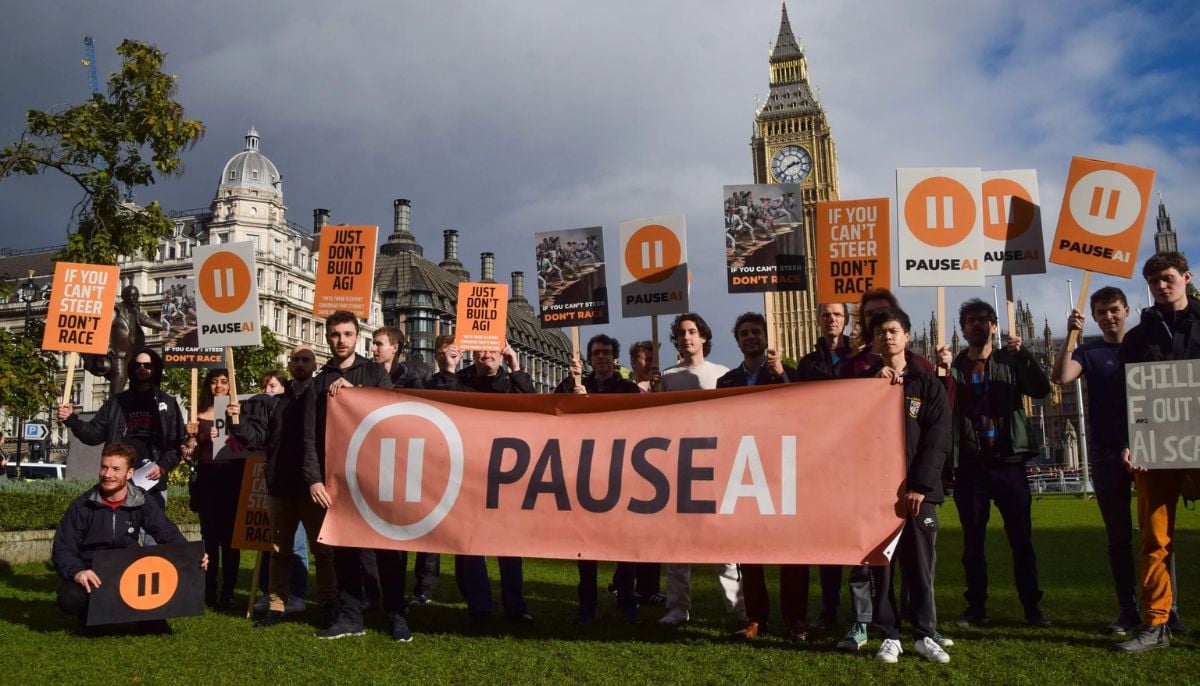 Creators push ‘human-made’ labels as AI content floods internet
 -
 AI with human traits may be safer, Anthropic study finds
 -
 Pavel Durov: Russia’s anti-VPN measures triggered payment failure
 -
 Meta pauses Mercor work after major data breach
 -
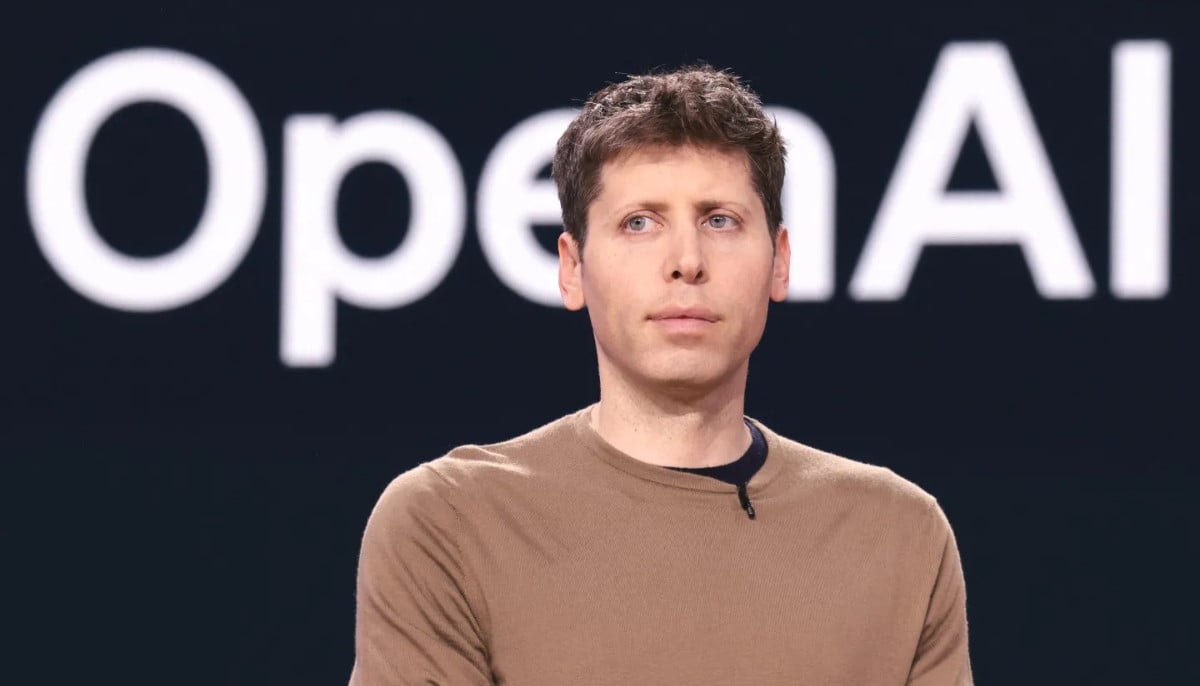 Sam Altman's OpenAI buys TBPN to expand communication strategy and shape AI public debate
 -
 DeepSeek V4 model bets on Huawei chips as demand surges
 -
 Quantum computing threat: Why global cybersecurity could collapse soon
 -
 AI cyberattacks set to outpace human hackers, experts warn