
Ogra halts diesel cargo berthing after OMC violates import schedule
38,000-tonne cargo, originally scheduled for import at end of Sep 2024, arrived ahead of time on Sep 1
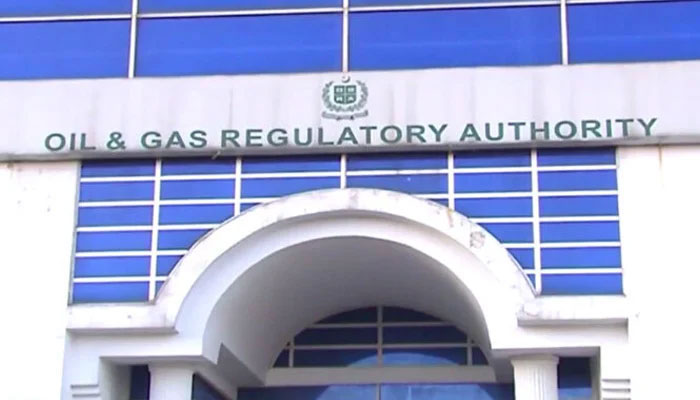
ISLAMABAD/KARACHI: The early import of diesel cargo by an oil marketing company (OMC) has sparked significant concern within the Oil and Gas Regulatory Authority (Ogra).
The 38,000-tonne cargo, originally scheduled for import at the end of September 2024, arrived ahead of time on September 1, 2024. This unexpected development has threatened the carefully coordinated National Oil Supply Chain (NOSC) and prompted Ogra to take immediate action.
In a letter dated August 30, 2024, Ogra expressed dissatisfaction with the OMC’s actions, noting that the company’s decision to bring in the diesel shipment early violated the decisions made during the Product Review Meeting (PRM) held on August 12-13, 2024. The cargo, named ‘MT NCC BADER,’ was authorised for import specifically to address the anticipated diesel shortage during October and November when the Pak-Arab Refinery (PARCO), the country’s largest refinery, will undergo maintenance.
Ogra’s letter, addressed to the OMC’s chief in Pakistan, stressed that the early arrival of cargo could destabilise the NOSC. The regulator urged the OMC to reroute the cargo or hold it at the outer anchorage until the last week of September to maintain the stability of national supply.
Moreover, Ogra has asked the Petroleum Division’s oil director general to coordinate with the Ministry of Maritime Affairs to prevent the vessel’s berthing until further notice. This directive highlights the seriousness of the situation, as Ogra aims to avoid any disruption in the country’s fuel supply strategy.
The decision to import diesel in September was initially approved with the understanding that PARCO’s maintenance would require additional supply in October and November. However, with over 750,000 metric tonnes of high-speed diesel already available in the country, and a daily consumption rate of around 15,000 metric tonnes, the early import has raised concerns among industry stakeholders.
Refinery operators argue that the surplus diesel stock could impact their operations.
Industry analysts estimate that the average cost of importing 50,000 metric tonnes of high-speed diesel (HSD) is approximately $38 million.
With planned imports for September totaling 183,000 metric tonnes, the outflow of foreign exchange is projected to be around $140 million. Given that the country’s monthly HSD demand is about 500,000 metric tonnes, with 425,000 metric tonnes supplied by local refineries, many believe there is no immediate need for additional imports.







-
 ‘Disgraced’ Andrew Still Has Power To Shake King Charles’ Reign: Expert
 -
 Why Prince William Ground Breaking Saudi Tour Is Important
 -
 AOC Blasts Jake Paul Over Bad Bunny Slight: 'He Makes You Look Small'
 -
 At Least 53 Dead After Migrant Boat Capsizes Off Libya
 -
 'God Of War' Announces Casting Major Key Role In Prime Video Show
 -
 Real Reason Prince William, Kate Broke Silence On Andrew Scandal Revealed
 -
 Drew Barrymore Responds To 'Charlie's Angels' Costar's Comments About Her
 -
 Shakira Slips Hard On Stage During Life Show
 -
 King Charles Speaks Out Over Andrew's Scandal: 'Stand Ready To Help Police'
 -
 Dax Shepard Recalls Horrifying Accident That Almost Killed Him
 -
 Logan Paul's Bodyguard Hits Fan On Super Bowl Day
 -
 Epstein Files: Anne Hathaway Mentioned As Highly Desired Guest For Bill Gates?
 -
 Prince Harry Under A Lot Of Stress As Meghan Markle Makes Bizarre Demands
 -
 Princess Beatrice, Eugenie's Subtle Break From Disgraced Parents Exposed
 -
 Baby Left In Running Bathtub Dies After Father ‘forgets’ Him
 -
 King Charles Takes A Major Step To Keep Horrified Prince William Out Of The Loop On Andrew: Insider