
Karachiites to pay higher electricity bills in Oct, Nov
Total impact of these adjustments amounts to Rs5.763 per unit, imposing an additional burden of nearly Rs10.6 billion on consumers
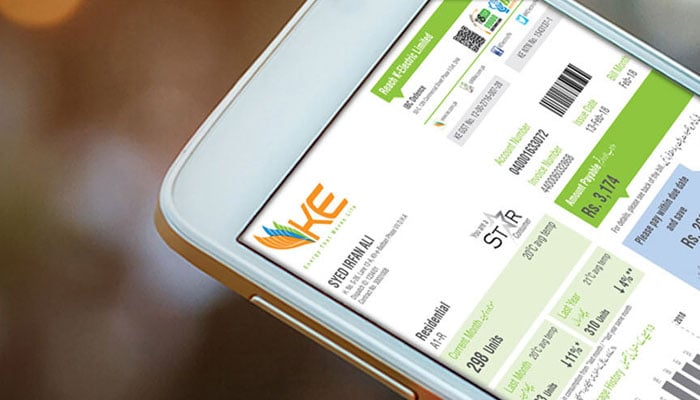
ISLAMABAD: Residents of Karachi will see their electricity bills soar in October and November following a decision by the National Electric Power Regulatory Authority (Nepra). The regulator has approved K-Electric’s request to collect an additional Rs2.5934 per unit in October and Rs3.1688 per unit in November.
This increase stems from adjustments for monthly fuel charges covering May and June 2024. The total impact of these adjustments amounts to Rs5.763 per unit, imposing an additional burden of nearly Rs10.6 billion on consumers. With the inclusion of GST, the total cost could reach approximately Rs12.5 billion. During a public hearing on July 30, 2024, Nepra considered K-Electric’s petition, which had initially sought an increase of Rs5.45 per unit (Rs2.53 for May and Rs2.92 for June FCA). Despite this request, Nepra approved a higher amount than requested.
Criticism of Nepra was voiced during the hearing by Karachi-based industrialists, politicians and power consumers. They accused the regulator of acting as a “rubber stamp” for both the government and K-Electric, claiming that Nepra routinely approves their demands without adequately protecting public interests.
The Authority noted in its decision that K-Electric used the fuel cost component of Rs8.9623/unit for energy from CPPA-G in May 2024, and Rs9.1190/unit for June 2024, based on prior approvals. The approved fuel costs were Rs9.1190/unit for May and Rs9.7545/unit for June 2024, leading to positive adjustments of Rs118.76 million for May and Rs.459.32 million for June 2024. For KCCP generation on HSD, KE initially used a fuel price of Rs7,333.04/MMBtu for June 2024 but corrected it to Rs7,179.86/MMBtu.
KATI and BQATI requested a provisional FCA charge of Rs1/unit for May and June 2024 due to economic hardship and high inflation, suggesting adjustments be made in winter when consumption is lower.
Jamat-e-Islami’s Imran Shahid opposed the FCA request, arguing it’s not in consumers’ interest. Arif Bilwani questioned why KE used KCCP on HSD instead of the cheaper BQPS-I on RFO.
KE explained the dispatch was based on merit order and load demand. Bilwani also suggested replacing KE’s own generation with NTDC power to reduce costs, but the Authority noted that increasing electricity from the National Grid to KE is a policy decision.


