
Govt to form new body to fix prices of medicines
DRAP currently regulates the prices of around 500 essential medicines, based on World Health Organisation’s latest list
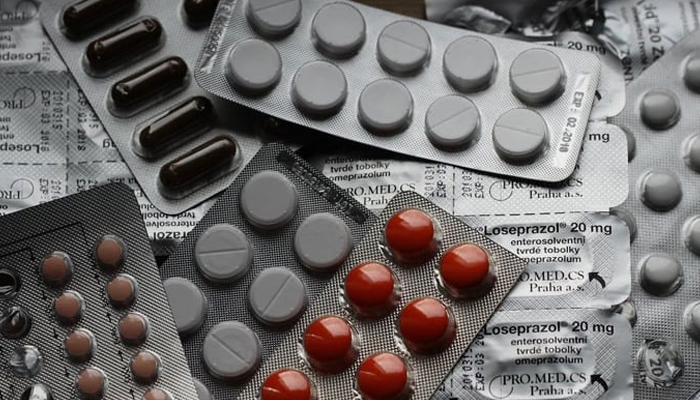
ISLAMABAD: In line with ongoing health sector reforms and efforts to streamline the federal health ministry, the government has decided to create a new body responsible for setting medicine prices, removing this duty from the Drug Regulatory Authority of Pakistan (DRAP), officials told The News on Saturday.
“Following the caretaker government’s deregulation of non-essential medicine prices, the current administration has decided to relieve DRAP of its role in setting prices for essential medicines as well. A new federal-level body will handle this task,” an official from the Ministry of National Health Services, Regulations, and Coordination (NHS, R&C) explained.
The decision to form a separate pricing body was made under Prime Minister Shehbaz Sharif’s directives. A committee led by Federal Minister for Law and Justice Azam Nazeer Tarar is currently working on a detailed proposal.
DRAP currently regulates the prices of around 500 essential medicines, based on the World Health Organisation’s latest list. The new body will take over this responsibility.
“Two proposals were initially considered: one to create an independent regulatory body for price-setting, and the other to establish an independent board of experts from various sectors to determine medicine prices,” the official added. Several essential medicines, including the Anti Rabies Vaccine (ARV), are currently scarce due to delays in adjusting their prices to meet manufacturer and importer needs. For example, the price adjustment for the NIH Islamabad-produced ARV has been pending for months, leading to a nationwide shortage.
“Similarly, decisions on the pricing of various hardship cases have been pending for over a year, with the federal cabinet neither accepting nor rejecting DRAP’s pricing recommendations. This indecision is causing severe shortages of some essential medicines,” the official said. The deregulation of non-essential medicine prices by the previous caretaker government aimed to ensure the availability of medicines that manufacturers had previously discontinued. This move has led to improved availability of non-essential drugs for common ailments. “Deregulating medicine prices promotes competition among pharmaceutical companies, potentially lowering costs for consumers and encouraging new market entrants. It also reduces the administrative burden on DRAP, allowing the government to focus on other regulatory functions,” the official noted.
Following deregulation, some multinational pharmaceutical companies that had exited Pakistan are now considering re-entering the market, a positive development for both the pharmaceutical industry and consumers.
“Less regulation in pricing will attract both domestic and international investments, fostering innovation and growth in the sector,” the official concluded.


