
Helping women learn finance
Financial literacy rate in Pakistan is quite low, with only 13 per cent of Pakistani adults having formal bank accounts
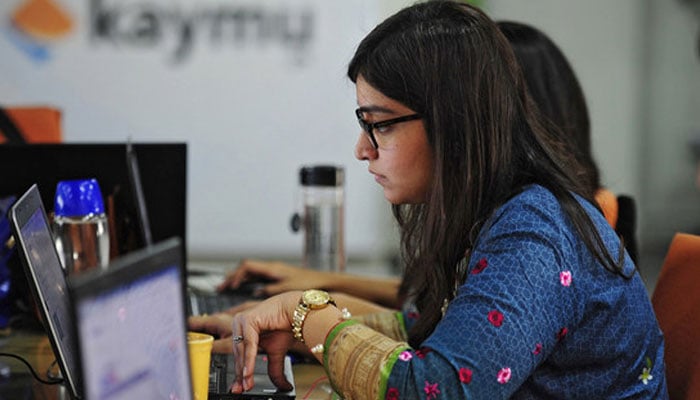
In the bustling streets of Karachi, there lived a woman named Maria. She was known for her vibrant spirit and the delicious samosas she sold at the local market. However, despite her hard work, Maria struggled to save money. Financial terms like ‘savings’, ‘interest’ and ‘investments’ were foreign to her.
This is not merely the story of a single individual named Maria in Pakistan, but rather a reflection of a broader issue that affects many of us. Not only are working women oblivious to the concept of financial literacy, particularly the power of savings, but the unsung managers of household — housewives — too.
As a result, the intricate workings of the banking system and the benefits of financial planning remain a mystery to a significant portion of the population. The repercussions are intense; when women are not empowered with the knowledge to save and manage finances, the entire country’s economic potential is curtailed.
This situation underscores the urgent need for us to comprehend the significance of financial literacy. According to the Brookings Institution, Pakistan currently stands at the 16th position among 26 nations with the lowest financial literacy ratings.
The financial literacy rate in Pakistan is quite low, with only 13 per cent of Pakistani adults having formal bank accounts.
Financial literacy refers to the ability to understand and effectively use various financial skills, including personal financial management, budgeting and investing. It is the knowledge that enables people to make smart financial decisions, leading to financial independence and stability.
Unfortunately, financial literacy in Pakistan faces significant challenges. A large portion of Pakistan’s population, which exceeds 180 million, has limited access to formal financial sources. Only about 2.4 per cent of the population have access to credit from formal financial institutions. Approximately 53 per cent of the adult population in Pakistan is financially excluded, meaning they do not use or have access to formal banking services.
Many people in Pakistan lack basic money and financial management skills, such as budgeting and investing. Concepts like savings and debt management are novel to a significant portion of the population.
The State Bank of Pakistan has launched the national financial literacy programme (NFLP) to promote financial inclusion and educate around 0.5 million low-income households in its first phase. The programme aims to impart knowledge of financial concepts and develop skills for better financial outcomes.
It targets school-going children, adolescents and young adults across selected districts, aiming to reach out to 1.6 million individuals through classroom trainings and digital learning platforms over five years. In order to foster responsible citizens with financial literacy, it is essential to introduce this vital subject to them at a young age.
The inclusion of women in the formal financial sector is less than 5.0 per cent, which is significantly lower than South Asia’s average of 37 per cent. For women, financial literacy is particularly crucial. It is a steppingstone to independence, giving them the confidence to make financial decisions that can change their lives and those of their families.
It is about having the knowledge to negotiate salaries, manage household finances, and invest in their own businesses. Some of the strategies for enhancing financial literacy among women could include incorporating financial education in school curriculums to equip the next generation with the tools they need to succeed.
Workshops and seminars to assist adults in acquiring the knowledge they may have missed during their formal education can also be quite beneficial. Additionally, the internet provides complimentary information that can enhance individuals’ financial literacy.
Financial literacy is more than understanding money; it is about making choices that can lead to a life of security and freedom. It is an essential tool for empowerment, allowing individuals to take control of their financial destinies.
As we strive to create a more equitable world, promoting financial literacy is a step towards ensuring that everyone has the opportunity to live a life of dignity and choice. We need to pave the way for a future where financial security is not just a privilege but a common standard.
The writer is a freelance contributor


