Antioxidants found to be protective agents against cognitive decline
Including antioxidants in your diet can help maintain and improve cognitive function
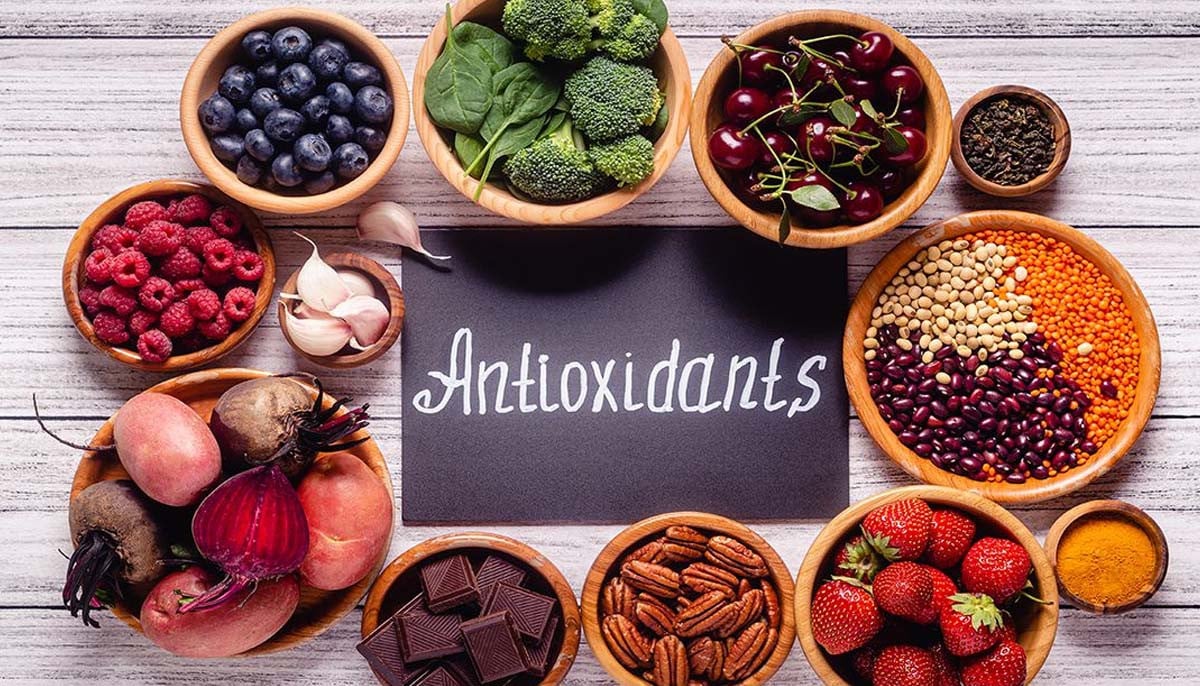
Many of you must already be aware of antioxidants, they are substances that protect your body from harmful molecules called free radicals, which harm the body cells, including the brain,
A study now suggests that antioxidants may help reduce the risk of cognitive disorders such as Alzheimer’s disease (AD).
However, it has remained unclear which specific antioxidants, including vitamin E or vitamin C, are most effective.
The aim of the current study was to examine how different patterns of antioxidant intake, specifically vitamin E and vitamin C, are associated with the risk of dementia and cognitive decline.
Researchers reviewed multiple long-term studies that tracked participants over time to assess whether antioxidant intake influenced cognitive health.
The analysis focused on studies that reported vitamin E and vitamin C intake from both dietary sources and supplements.
In total, 73 studies met the inclusion criteria, involving more than 28,257 participants. When examining Alzheimer’s disease specifically, the researchers found that higher dietary intake of vitamin E alone was associated with a 25% lower risk of AD.
When dietary and supplemental vitamin E intake were combined, the risk reduction increased to 30%.
A similar pattern was observed for vitamin C. Combined dietary and supplemental intake of vitamin C was associated with a 30% reduced risk of Alzheimer’s disease. These findings suggest that both vitamin E and vitamin C may have protective effects against AD.
While the study pointed out associations between vitamin E and vitamin C intake and the risk of Alzheimer’s disease, no clear associations were found between antioxidant intake and the risk of general cognitive impairment.
In summary, the findings suggest that higher intake of antioxidants, particularly vitamin E and vitamin C, may be associated with a reduced risk of developing Alzheimer’s disease.
Antioxidant-rich foods such as fruits, vegetables, nuts, and seeds can help provide these vitamins as part of a healthy diet.



-
 New personalized cancer vaccine cuts Melanoma recurrence risk by 42%, trial shows
 -
 Prime editing rewrites DNA inside human body for the first time
 -
 WHO investigates mystery Ebola case in Nigeria as outbreak spreads beyond DR Congo
 -
 Virginia Sen. Louise Lucas indicted on racketeering and marijuana charges
 -
 France confirms world's first human case of Shamonda virus; patient dies
 -
 OpenAI agents uncover brain disease leads: Here’s how
 -
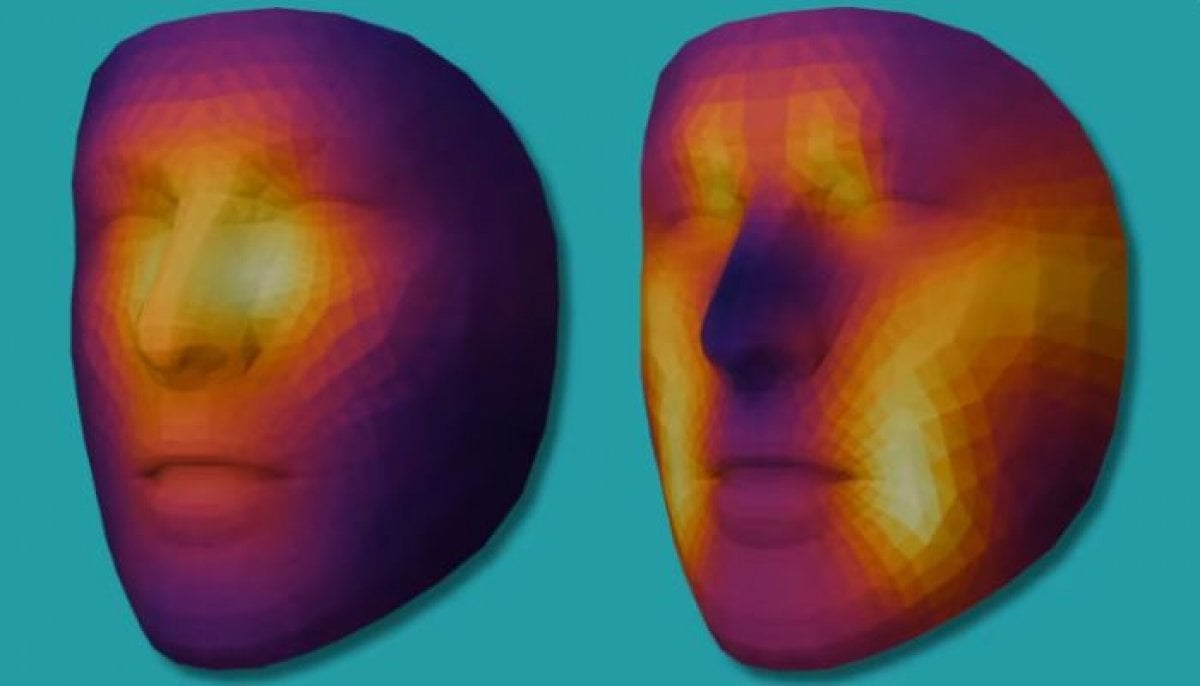 AI tool can now predict cancer survival by a single patient selfie: Find out how
 -
 Scientists identify a new type of depression affecting 1 in 4 patients
-
 Everything to know about US FDA’s new guidance on apps used with prescription drugs
 -
‘Immortal’ jellyfish could hold clues to slowing human ageing
-
Ebola crisis worsens in DR Congo as virus reaches eighth province with over 4,500 dead
-
Study finds eating blueberries every day can surprisingly boost your mood