Keto diet emerges as key to Alzheimer's cure
More than 6.5 million people in the U.S. alone are suffering from Alzheimer's
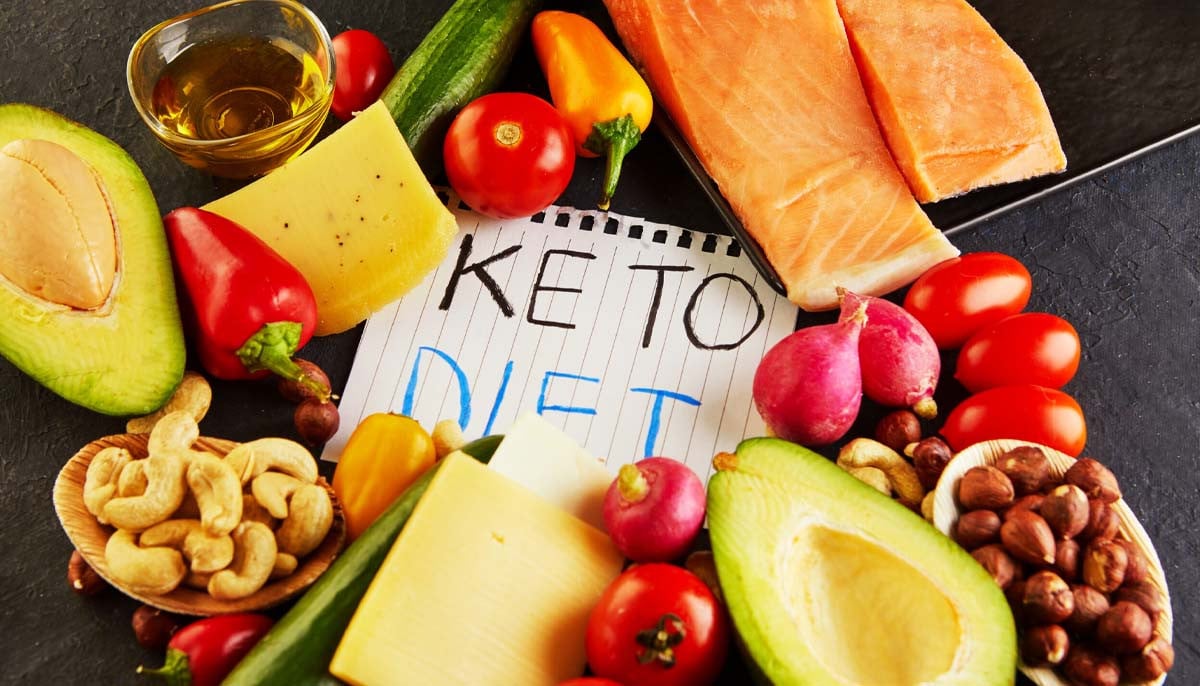
Did you know diet changes can improve Alzheimer’s?
Researchers at Wake Forest University School of Medicine published their findings in the journal Alzheimer’s & Dementia, revealing a special diet that may help protect against Alzheimer’s, a condition that primarily affects memory and thinking.
Alzheimer’s also progressively damages memory and cognitive abilities, making everyday life increasingly difficult.
According to the Alzheimer’s Association, more than 6.5 million Americans are currently living with Alzheimer’s disease. Many older adults ultimately die from Alzheimer’s or related forms of dementia, which highlights the need for effective prevention.
One dietary approach attracting attention is the ketogenic, or “keto,” diet, which is high in fats, moderate in protein, and very low in carbohydrates.
When carbohydrate intake is restricted, the body switches to using ketones—molecules produced from fat, as its main source of energy.
In this study, researchers combined the keto diet with elements of the Mediterranean diet. This hybrid approach emphasizes foods such as fruits, vegetables, fish, and olive oil, which are staples in Mediterranean regions including Greece and Italy.
The research team enrolled 20 adults in the study. Some participants had mild memory problems without a diagnosis of Alzheimer’s disease, while others showed no signs of cognitive impairment. Participants were divided into two groups.
One group followed the Mediterranean-style ketogenic diet, while the other consumed a low-fat, high-carbohydrate diet. Each diet was followed for six weeks.
To observe how diet might influence brain health, the researchers examined changes in gut bacteria by analyzing stool samples collected from participants.
The results showed that the Mediterranean ketogenic diet altered gut bacteria in participants with memory impairment.
These changes may have implications for brain health, for example, after following the Mediterranean ketogenic diet, participants showed lower levels of gut bacteria that produce gamma-aminobutyric acid (GABA), a neurotransmitter involved in brain signaling.
Abnormally low GABA activity has been linked to Alzheimer’s disease and at the same time, the diet appeared to increase bacteria involved in regulating GABA balance.
The study also found that when participants consumed curcumin—a compound found in turmeric—their gut microbiota contained fewer bacteria involved in bile acid metabolism, substances the body produces to help digest fats.
Overall, the findings suggest that a Mediterranean-style ketogenic diet, along with certain dietary compounds such as curcumin, may influence gut bacteria in ways that support brain health. However, the researchers emphasize that further studies are needed to confirm these effects.







-
 Scientists find clue to lower dementia risk in older adults through new ‘game-changer’ vaccine
 -
 First US measles deaths of 2026 reported in Pennsylvania
 -
 NHS England to roll out free home testing kits for cervical cancer
 -
 New study reveals irregular sleep patterns accelerate biological aging
 -
 80% of young adults already have heart risk factors: Study finds
 -
 Australia confirms first H5N1 bird flu case in mammals after seal dies due to infection
 -
 Study reveals why female immunity differs from men's–The science of the biological divide
 -
 12% of physicians report non-medical GLP-1 use in sport