
Sindh sets up scientific lab for archives, artifacts preservation
Dr Syed Junaid Ali Shah, Sindh’s caretaker minister for culture, archives, and antiquities, inaugurated a state-of-the-art scientific laboratory aimed at preserving archives and artifacts.
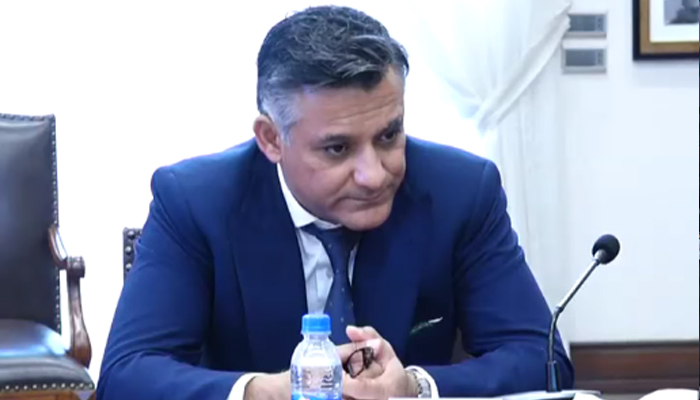
The laboratory named the “Exploration & Excavation Branch Scientific Laboratory and Data Centre” has been established in Karachi to facilitate research on archives and artifacts and ensure their preservation in modern ways. Situated near the historical site of the Romi graveyard, the laboratory is poised to become a hub for preserving cultural heritage.
The inauguration ceremony was attended by dignitaries, including Khalid Chachar, secretary of culture and antiquities, Sindh; Abdul Aleem Lashari, former secretary of culture; Mansoor Ahmed Kanasro, director-general of antiquities; Ijaz Sheikh, director-general of libraries, Sindh; Dr Kaleemullah Lashari; Resident Director Roshan Ali Kanasro, and Deputy Director Atif Hussain Vighio.
Dr. Syed Junaid Ali Shah emphasized that the preservation of archives and artifacts is a national responsibility. This state-of-the-art scientific laboratory marks the first of its kind at the national level in Sindh, aiming to ensure the preservation of treasures beyond those displayed in museums, like those found after the excavation of Mohenjodaro, now housed in the Treasure House Museum. “Our antiquities are a part of our national identity,” he said. “It is our responsibility to preserve them for future generations.”
He further stated that technical constraints have hindered the display of many artifacts for over sixty years. The treatment of artifacts precedes their display, and previously, artifacts were sent abroad for treatment. With the establishment of facilities for artifact treatment in Sindh, local preservation becomes feasible, making artifacts more accessible to the public and researchers.
Dr Shah highlighted plans to increase the number of museums in Sindh, making it mandatory to have a museum at every heritage site, facilitating researchers. He emphasized the importance of understanding the significance of our possessions and maintaining awareness about them.
He further mentioned that carbon dating is utilized to accurately estimate the age of artifacts. Radio carbon dating, based on the presence of carbon atoms in natural substances, provides an estimate of the time elapsed since the material decomposed or dispersed into its elements. It is hoped that we can also avail this facility in Sindh.







-
 Trump Passes Verdict On Bad Bunny’s Super Bowl Halftime Show
 -
 Super Bowl 2026 Live: Seahawks Defeat Patriots 29-13 To Win Super Bowl LX
 -
 Kim Kardashian And Lewis Hamilton Make First Public Appearance As A Couple At Super Bowl 2026
 -
 Romeo And Cruz Beckham Subtly Roast Brooklyn With New Family Tattoos
 -
 Meghan Markle Called Out For Unturthful Comment About Queen Curtsy
 -
 Bad Bunny Headlines Super Bowl With Hits, Dancers And Celebrity Guests
 -
 Insiders Weigh In On Kim Kardashian And Lewis Hamilton's Relationship
 -
 Prince William, Kate Middleton Private Time At Posh French Location Laid Bare
 -
 Stefon Diggs Family Explained: How Many Children The Patriots Star Has And With Whom
 -
 Shamed Andrew ‘mental State’ Under Scrutiny Amid Difficult Time
 -
 ‘Narcissist’ Andrew Still Feels ‘invincible’ After Exile
 -
 Bad Bunny's Super Bowl Halftime Show: What Time Will He Perform Tonight?
 -
 Where Is Super Bowl 2026 Taking Place? Everything To Know About The NFL Showdown
 -
 Chris Pratt Explains Why He And Katherine Schwarzenegger Did Premarital Counseling
 -
 Drake 'turns Down' Chance To Hit Back At Kendrick Lamar At Super Bowl
 -
 Sarah Ferguson Had A ‘psychosexual Network’ With Jeffrey Epstein