
PIB yields tumble as rate cut bets surge on easing inflation
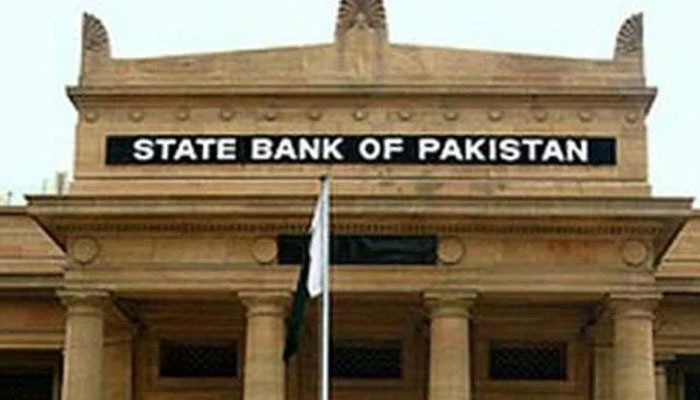
KARACHI: Pakistan’s long-term bond yields fell sharply on Wednesday as investors bet on interest rate cuts from the central bank in the coming months amid easing inflation pressures.
The cut-off yield on a three-year bond slipped by 180 basis points (bps) to 17.39 percent. The yield on a five-year paper was down by 100 bps to 15.95 percent. A 10-year PIB's yield decreased by 15 bps to 15.10 percent.
No bids were received for PIBs of 15, 20, and 30 years. “Yields fell sharply due to huge demand of PIBs by investors at an interesting bond auction today,” said Topline Securities in a note.
“The participation of Rs964 billion was seen against a target of Rs160 billion, where the government raised Rs252 billion,” it said. “Yields were down by 15-180 basis points from last auction as market participants expect a fall in rates in coming months,” it added.
Muhammad Sohail, the CEO of Topline Securities, said on social media platform X (previously Twitter) that the bond market in Pakistan is another one that is rising.
“Rates are falling at a fast pace. 3-year PIB is down almost 2 percent from the last auction. Huge participation was seen in today's auction. Market is not only expecting a fall in interest rates but a higher reduction is now built into bond prices,” Sohail said.
Since September 2021, the SBP has sharply increased interest rates to control high inflation. However, with data indicating the nation's economy is improving and inflation pressures are receding, it has paused its interest rate hiking cycle since July. As a result, investors are now focused on the first round of rate cuts. The SBP last month left its key policy rate unchanged at a record 22 percent.
According to data provided by the Pakistan Bureau of Statistics (PBS) last week, the consumer price index (CPI) inflation decreased by 26.89 percent in October from a year earlier. In September, inflation spiked to 31.4 percent year-on-year.
“[Inflation] is projected to decline in October and then maintain a downward trajectory, especially in the second half of the fiscal year,” the SBP said in its last monetary policy statement.
“While the recent volatility in global oil prices as well as the increase in gas tariffs from November 2023 pose some risks to the FY24 outlook for inflation and the current account, the Committee also noted some offsetting factors,” it added.
“These include the targeted fiscal consolidation in Q1; improvement in market availability of key commodities; and the alignment of interbank and open market exchange rates,” it noted.
Investors have been hoping the SBP will begin the monetary easing cycle as soon as possible — possibly at its upcoming review meeting, which is scheduled for December 12.
Most analysts, meanwhile, predict rate cuts in the first half of 2024. “The market thinks that the SBP will slash rates. In my view, it’s dependent on clearance of IMF review and the performance of PKR against the US dollar,” said Samiullah Tariq, the head of research at Pak-Kuwait Investment Company.
Currently, the International Monetary Fund's (IMF) mission is in Islamabad and reviewing Pakistan's $3 billion loan program. The successful talks under the IMF-supported stand-by arrangement will help Pakistan get a second loan tranche of around $700 million from the Washington-based lender.







-
 Nicola Peltz Billionaire Father Speaks Out On Beckham Family Drama For First Time
 -
 Andrew Mountbatten-Windsor's Living Situation Gets Worse Amid Epstein Controversy
 -
 King Charles Blindsided By Andrew-Epstein Blunder
 -
 Sharon Osbourne Reacts To Ozzy Osbourne 2026 Grammy Tribute
 -
 Kate Middleton Breaks Silence On Newest Member Of Wales Family
 -
 Harry Styles, Zoe Kravitz Taking Romance On Tour?
 -
 Mark Ruffalo Responds To Firing Rumours From Marvel
 -
 Princess Beatrice, Eugenie Will Not Be Abandoned By Royals Amid Scandal
 -
 Sarah Ferguson Questioned ‘what Kind Of Mother Is She’ Over Epstein Scandal
 -
 Melinda Gates Breaks Silence On Epstein Allegations Linked To Bill Gates
 -
 Matthew McConaughey Prefers First Takes For Emotional Movie Scenes
 -
 'The Housemaid' Director Shares Major Deleted Scene Will Appear In Sequel
 -
 Here's How David Harbour Split Planted Lily Allen's Musical Comeback
 -
 New York Deploys Observers To Monitor Trump's Deportation Efforts
 -
 Drew Barrymore Shares Unfiltered Take On Dating Men In Their 20s
 -
 9 Million Android Phones Hijacked Worldwide In Hacker Network: Google