Gwen Stefani reacts to allegations of 'Harajuku Girls' cultural appropriation
Gwen Stefani was criticised for her ‘Harajuku Girls’ promotional campaign in 2004
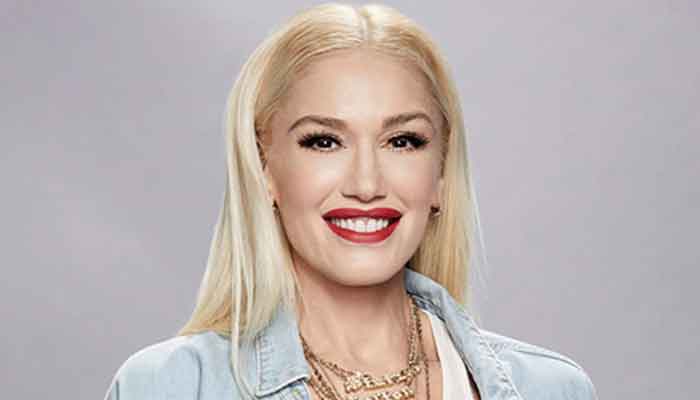
American singer Gwen Stefani defended herself against allegations of appropriating Japanese culture in her 2004's 'Harajuku Girls' promotional campaign.
The musician, who recently announced engagement to Blake Shelton after five years of dating, has responded to the criticism over her ‘Harajuku Girls’ promotional campaign for her album Love. Angel. Music. Baby.
The pop star was accused of appropriating Japanese culture as she dressed in a style famous in Tokyo’s Harajuku district.
The singer, in conversation with Paper Magazine, described her 'deep fascination' with Japanese culture, because her father would bring back toys from popular company Sanrio, famous for creating iconic brand characters like Hello Kitty.
She stood by her choice to cast the four Japanese dancers Maya Chino, Jennifer Kita, Rino Nakasone and Mayuko Kitayama in her music video and events.
The songstress explained: "If we didn’t buy and sell and trade our cultures in, we wouldn’t have so much beauty."
She went on to say: "We learn from each other, we share from each other, we grow from each other. And all these rules are just dividing us more and more."
Stefani also shared the details about how she came up with the idea after having performed in the country with her former band No Doubt in 1996, saying it was "a pretty big deal" for her to go to Japan.


-
 Hollywood big names dominate Cannes 2026 with star-studded premieres: See All
 -
 Usher, Justin Bieber's fallout takes shocking turn as accusations spiral out of control
 -
 Complete list of Cannes 2026 lineup with high-profile debuts and returning auteurs
 -
 Tom Holland's upcoming 'Spider-Man' movie faces instant internet backlash: Here's why
 -
 Phoebe Dynevor opens up about 'panic attacks' during ‘Thrash’ filming
 -
 Angelina Jolie's daughter Shiloh landed music video project under stage name
 -
 Karol G reveals when she turns to Sofia Vergara
 -
 Michael J. Fox breaks silence over death rumors