
Sindh growers fear low wheat output sans DAP subsidy
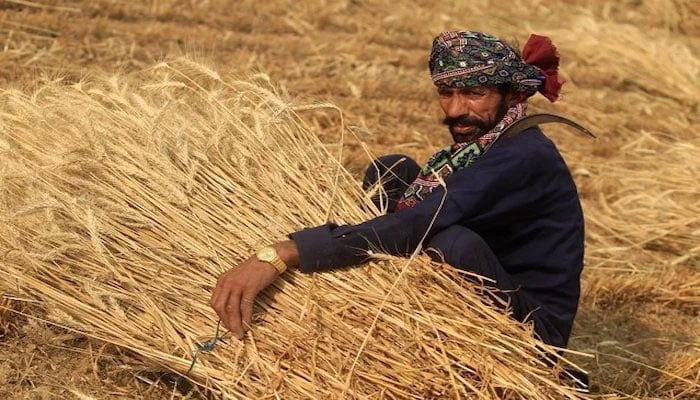
KARACHI: With wheat cultivation season only a few weeks away, growers in Sindh fear that the absence of a DAP subsidy mechanism might result in lower crop output and adverse impact on their incomes.
The subsidy of Rs1,000 per bag on DAP, phosphorus, and potassium fertilisers has been in limbo since last year’s announcement of a special Rabi package by the federal government. While the subsidy on phosphates was subsequently increased to Rs1,500 per acre, implementation of the relief package is still pending in Sindh as no consensus has been reached on its delivery mechanism.
On the condition of anonymity, a farmers’ association representative said, “It seems that Sindh growers are stuck in the middle of a political conflict between the federal and provincial government. How will a farmer afford DAP fertiliser when its price has increased from Rs3,950 to Rs6,500 since the start of this year due to higher imported rates?”
Without the subsidy programme, which has already been launched in Punjab, growers will find it difficult to meet their production goals. “The situation has gotten worse as the rupee has significantly weakened against the US dollar to make these DAP imports costlier,” the grower added.
In July this year, the then Provincial Minister for Agriculture Muhammad Ismail Rahoo had announced that the Sindh government would provide Rs3 billion in subsidies on DAP, fertilisers, and feed to small farmers through the “Peoples Hari (peasant) Card”. The Sindh agriculture department was targeting to register one million growers under the scheme.
Meanwhile, since the launch of Kissan Cards, the Punjab Agriculture Department has been closely engaging with stakeholders, including the fertiliser industry, to apprise them about the disbursed subsidies and steps underway to further expand the Kissan Card scheme.
In the last meeting held on August 11, 2021, the participants were informed that more than Rs5 billion were already disbursed in subsidies on DAP, phosphorus, and potassium fertilisers. The fertiliser industry has requested the department for support to expand coverage of point of sales machines, while the agriculture department has requested industry support to monitor the conduct of dealers to ensure efficiency and transparency for subsidy disbursement mechanism.
Last year, the country recorded 27.5 million tonnes of wheat, out of which more than 4 million tonnes were produced in Sindh, as it surpassed the wheat acreage target. Despite this bumper output, the government has decided to import up to 4 million tonnes of wheat at record high prices.
Owing to higher domestic consumption and growers' concerns about crop yields without any effective DAP subsidy mechanism, these imports aimed at building strategic reserves to overcome any food shortages.







-
 Dua Lipa Wishes Her 'always And Forever' Callum Turner Happy Birthday
 -
 Police Dressed As Money Heist, Captain America Raid Mobile Theft At Carnival
 -
 Winter Olympics 2026: Top Contenders Poised To Win Gold In Women’s Figure Skating
 -
 Inside The Moment King Charles Put Prince William In His Place For Speaking Against Andrew
 -
 Will AI Take Your Job After Graduation? Here’s What Research Really Says
 -
 California Cop Accused Of Using Bogus 911 Calls To Reach Ex-partner
 -
 AI Film School Trains Hollywood's Next Generation Of Filmmakers
 -
 Royal Expert Claims Meghan Markle Is 'running Out Of Friends'
 -
 Bruno Mars' Valentine's Day Surprise Labelled 'classy Promo Move'
 -
 Ed Sheeran Shares His Trick Of Turning Bad Memories Into Happy Ones
 -
 Teyana Taylor Reflects On Her Friendship With Julia Roberts
 -
 Bright Green Comet C/2024 E1 Nears Closest Approach Before Leaving Solar System
 -
 Meghan Markle Warns Prince Harry As Royal Family Lands In 'biggest Crises' Since Death Of Princess Diana
 -
 Elon Musk Weighs Parenthood Against AI Boom, Sparking Public Debate
 -
 'Elderly' Nanny Arrested By ICE Outside Employer's Home, Freed After Judge's Order
 -
 Keke Palmer On Managing Growing Career With 2-year-old Son: 'It's A Lot'