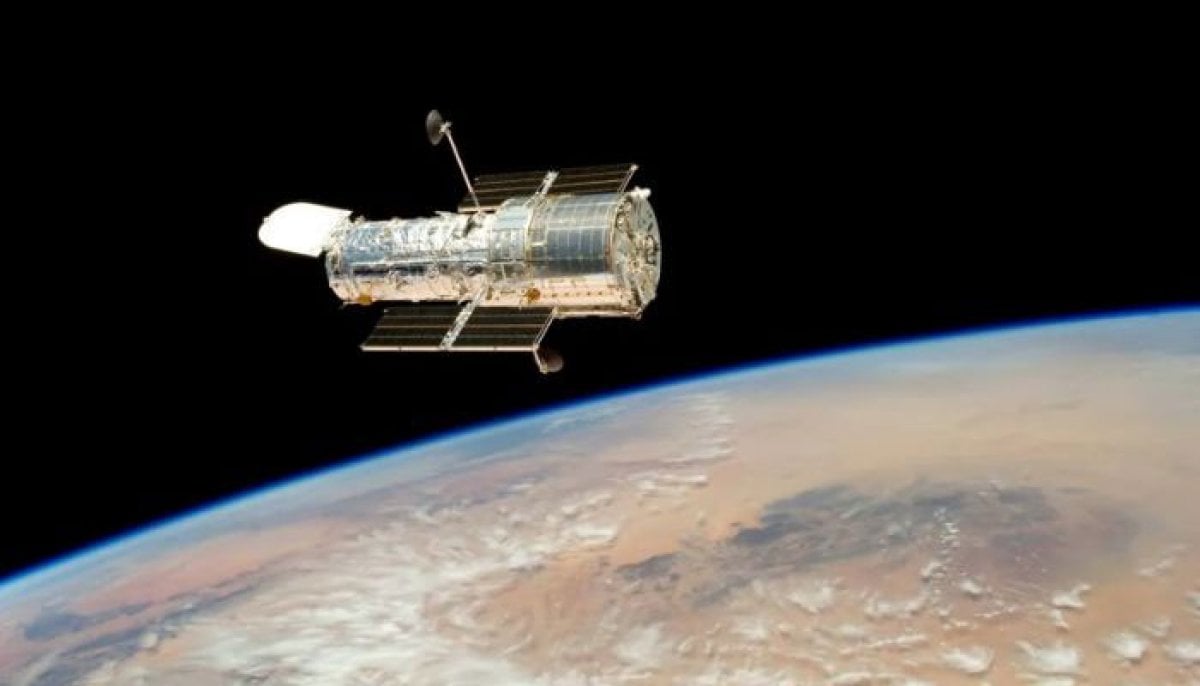
Bright green comet C/2024 E1 nears closest approach before leaving solar system
Astronomers say icy visitor may have travelled for millions of years before reaching the inner solar system
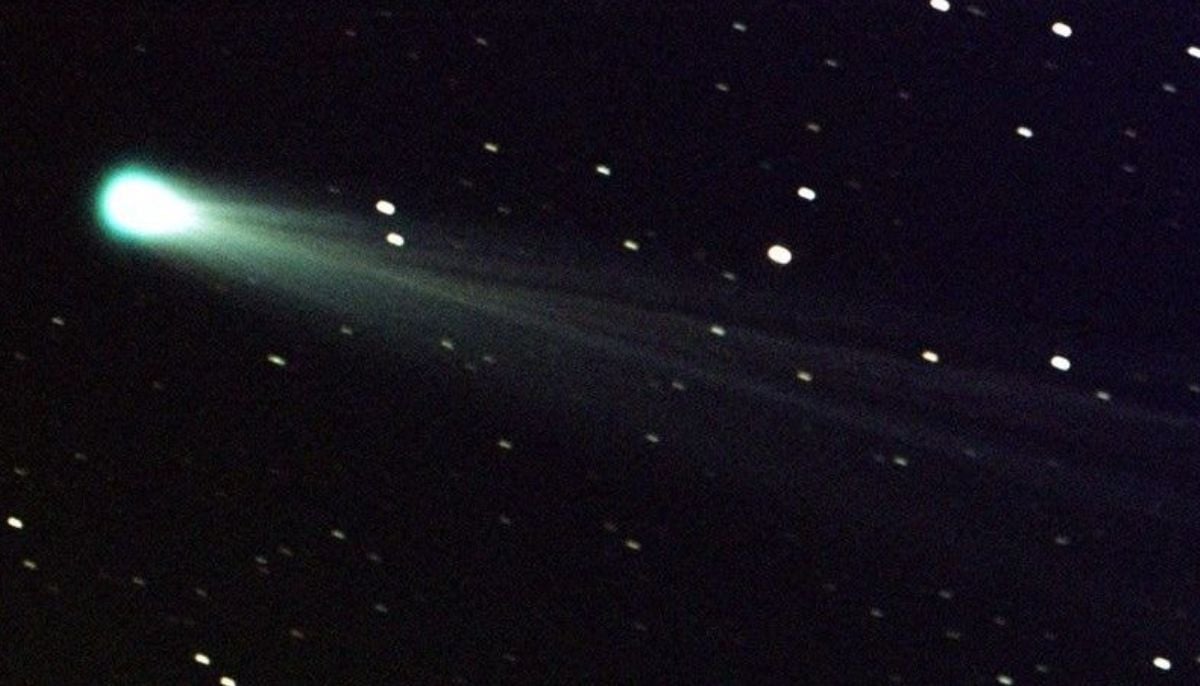
The bright green comet C/2024 E1 (Wierzchoś) displays increasing brightness as it moves toward its closest approach to Earth. The comet which scientists found in March 2024 has gained international attention because of its exceptional path and bright appearance.
Astronomers state that C/2024 E1 will leave the solar system through a hyperbolic path which will stop its return because they predict the comet will reach its nearest point to Earth next week.
C/2024 E1 (Wierzchoś) comet
Polish astronomer Kacper Wierzchoś discovered the comet at Mount Lemmon Observatory. The James Webb Space Telescope confirmed high carbon dioxide levels in the comet's coma, which describes the luminous gas and dust cloud that surrounds its frozen nucleus.
Scientists initially estimated the nucleus diameter at 13.7 kilometres, which equals the dimensions of a city, but current findings indicate a smaller size. Researchers classify C/2024 E1 (Wierzchoś) as a long-period comet which probably originates from the remote Oort Cloud situated at the solar system boundary.
The experts believe that the comet spent between one and three million years moving slowly towards the inner solar system, which it reached for its first time. After reaching its closest point to the sun in January, the comet now heads towards its nearest point to Earth, which will remain visible through telescopes and powerful binoculars.
Astronomers report that the comet will use its close proximity to the sun as a "solar slingshot" mechanism, which will enable C/2024 E1 (Wierzchoś) to exit the solar system and proceed to deep interstellar space. This unique green comet will traverse the Milky Way galaxy for millions or even billions of years after it leaves our planet.





-
 Experts share 3 predictions for America's next 250 years in space
 -
 NASA launches first-of-its kind mission to rescue 3,200-pound falling space telescope
 -
 'Alien gun' on Mars? Resurfaced viral NASA photo sparks fresh extraterrestrial theories
 -
 NASA's bold effort to rescue Swift Observatory telescope hits an unexpected setback
 -
 Scientists create world’s first synthetic cell from scratch, marking historic biology milestone
 -
 Is there a launch today? SpaceX, ULA rocket launch schedule in Florida explained
 -
 1.7 million planned satellites could devastate astronomy, scientists warn
 -
 Can NASA save Swift Observatory telescope? Inside space agency's bold rescue mission