Is the world ending? New study finds rise in apocalyptic beliefs worldwide
One in three American participants believe that the world will end within their lifetime
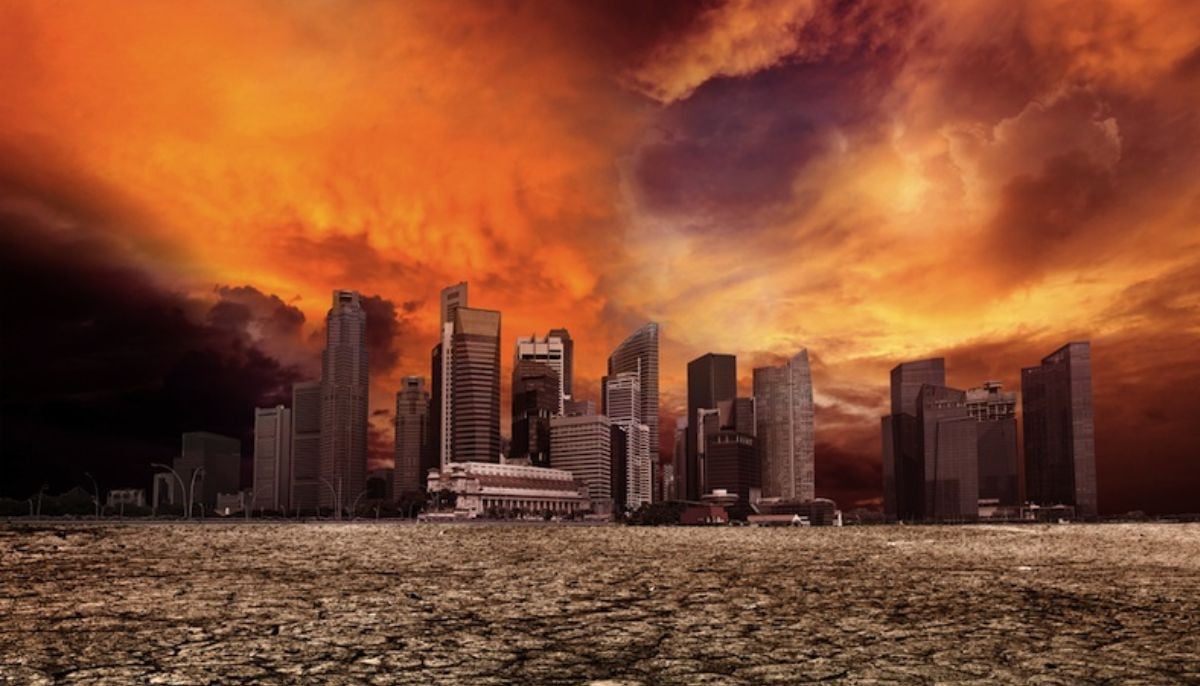
Apocalyptic thinking once popularized in the fringes, has gone mainstream, propagating the beliefs that the world is ending soon.
A new research study from the University of British Columbia and published in Journal of Personality and Social Psychology has explored how apocalyptic thinking is rising worldwide and shaping people’s responses to modern global threats.
Based on a survey of over 3,400 people in the US and Canada, the study finds that one in three American participants believe that the world will end within their lifetime.
According to researchers, these “end-of-the-world” beliefs are not just idle thought; in fact these thoughts shape the responses of individuals to the issues such as climate change, pandemics, warfare, and AI.
Dr Matthew Billet and his UBC colleagues have also identified five metrics that define how people view the end.
- Perceived closeness: How soon it will happen
- Anthropogenic causality: Whether humans are the cause.
- Theogenic causality: Whether supernatural forces are responsible.
- Personal control: Whether an individual can influence the outcome.
- Emotional valence: Whether the end is viewed as good or bad.
“Different narratives people believe about the end of the world can lead to very different responses to societal issues,” said Dr Billet.
Such doomsday thinking is also responsible for shaping the actions. Those who believe humans are causing the end are more likely to support drastic measures to fix global issues.
Those who believe the end is divinely orchestrated are less likely to support preventable actions, considering human intervention as futile.
“Whether or not any particular apocalyptic narrative is accurate, they are still consequential for how populations confront concrete risks,” he said.
Dr. Billet argues that instead of dismissing these beliefs as irrational, policymakers must understand these cultural lenses to effectively communicate and build consensus on AI safety, pandemic preparedness, and climate change.






-
 SpaceX IPO buzz intensifies as strategists debate $2 trillion valuation
 -
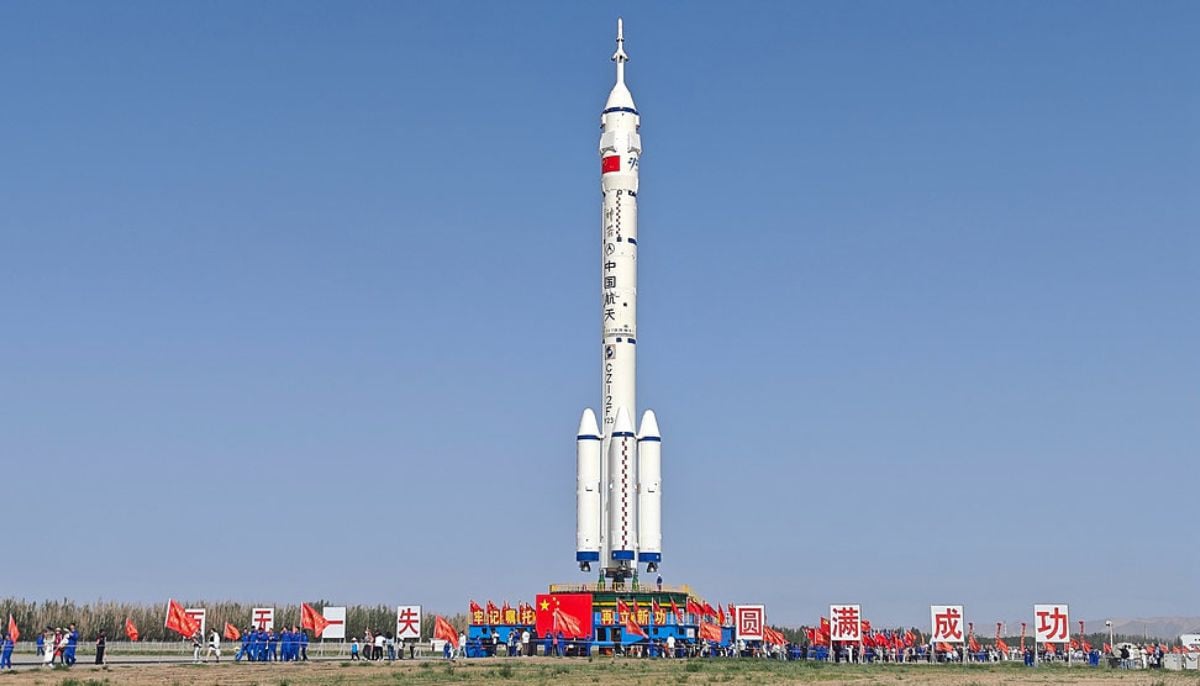 China to launch Shenzhou 23 crew to Tiangong space station
 -
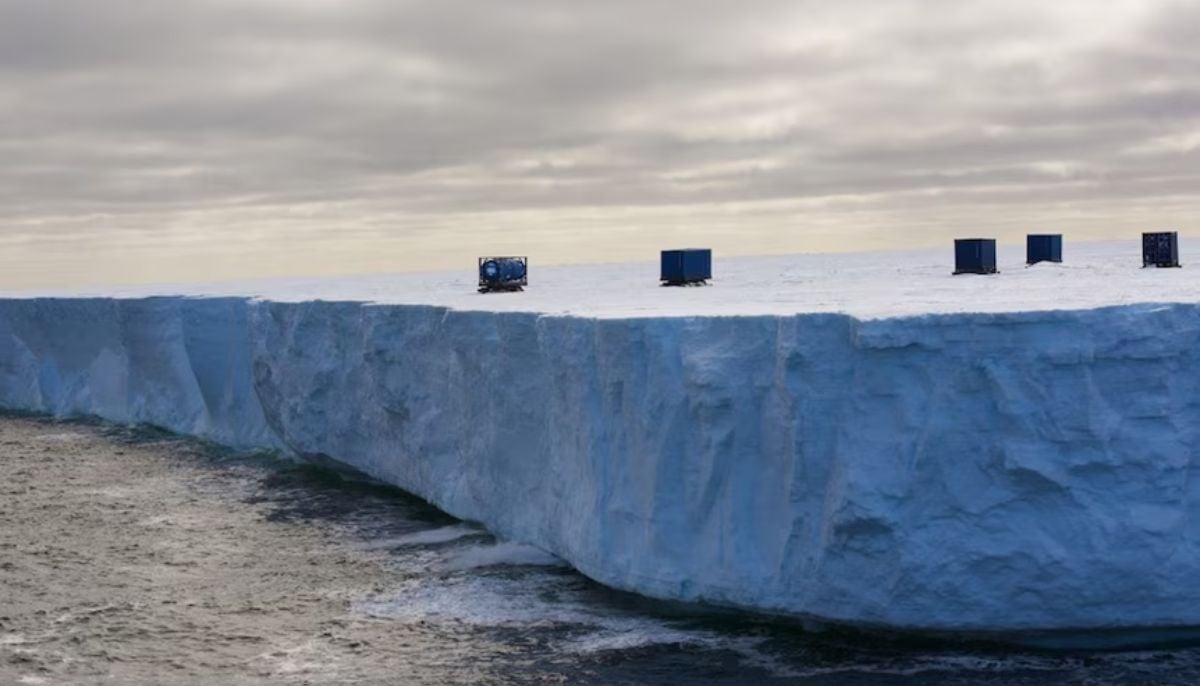 Antarctic blizzard sends fuel containers floating on an iceberg: Here’s why
 -
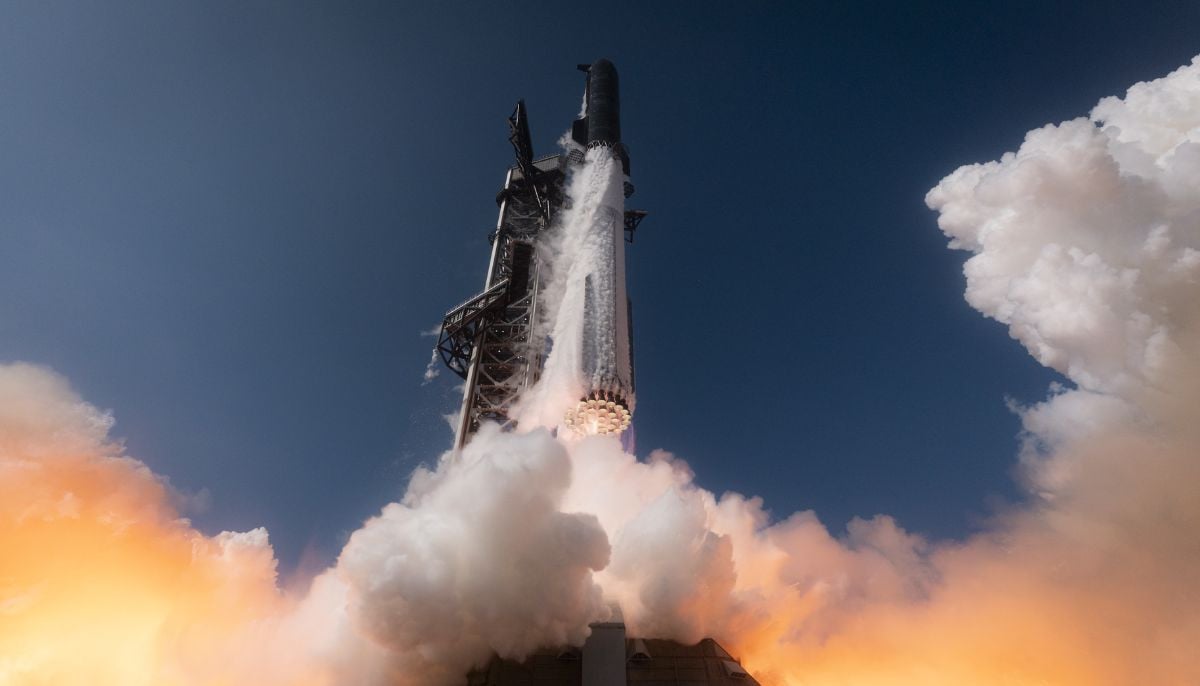 SpaceX Starship test flight succeeds despite engine failures
 -
 Is this Earth 2.0? NASA’s James Webb telescope spots ‘rare’ giant exoplanet
 -
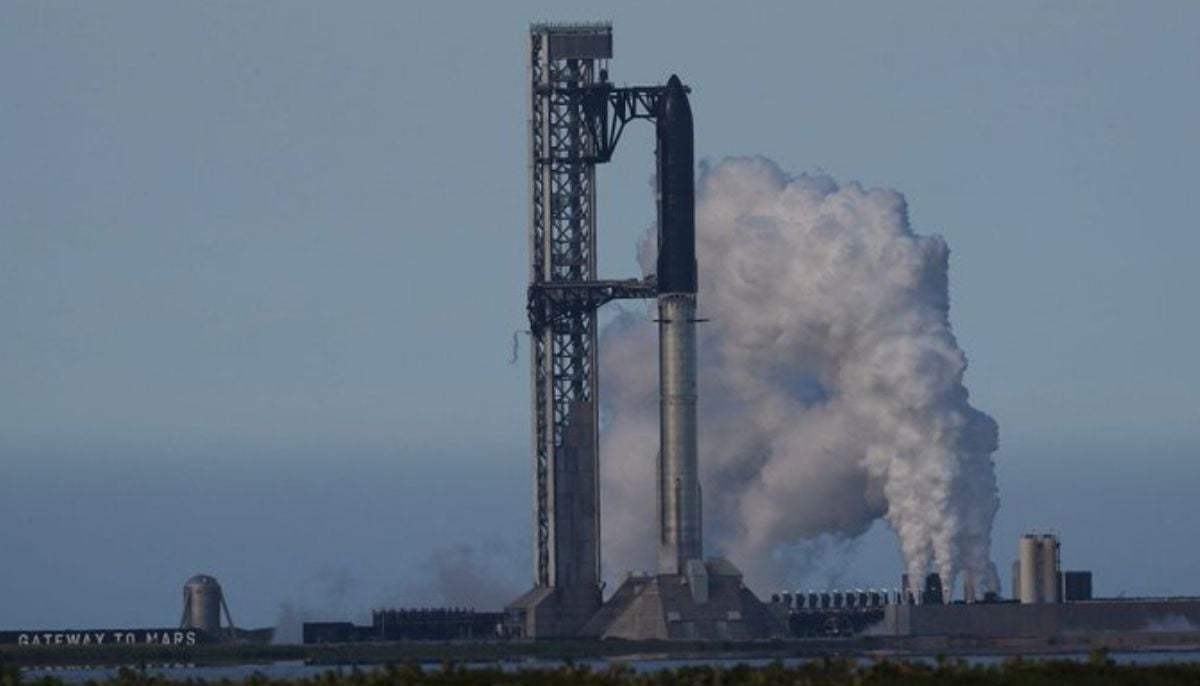 SpaceX Starship launch delayed again: Here’s what went wrong
 -
 Why do scientists think Neptune’s moon Nereid survived violent cosmic collision?
 -
 NASA set to unveil major Moon Base strategy and mission update
-
 SpaceX’s upgraded Starship V3 ready for high-stakes test flight: Where to watch live
 -
Scientists hatch live chickens from 3D-printed eggshells: Could artificial wombs be next?
-
SpaceX: Starship V3 all set for debut launch ahead of IPO
-
Four alien species recovered from crashed UFOs, Ex-CIA researcher claims