NASA Artemis II lifts off, sending cubesats into deep space study
NASA Artemis II mission mission, led by NASA, aims to test systems, explore space conditions
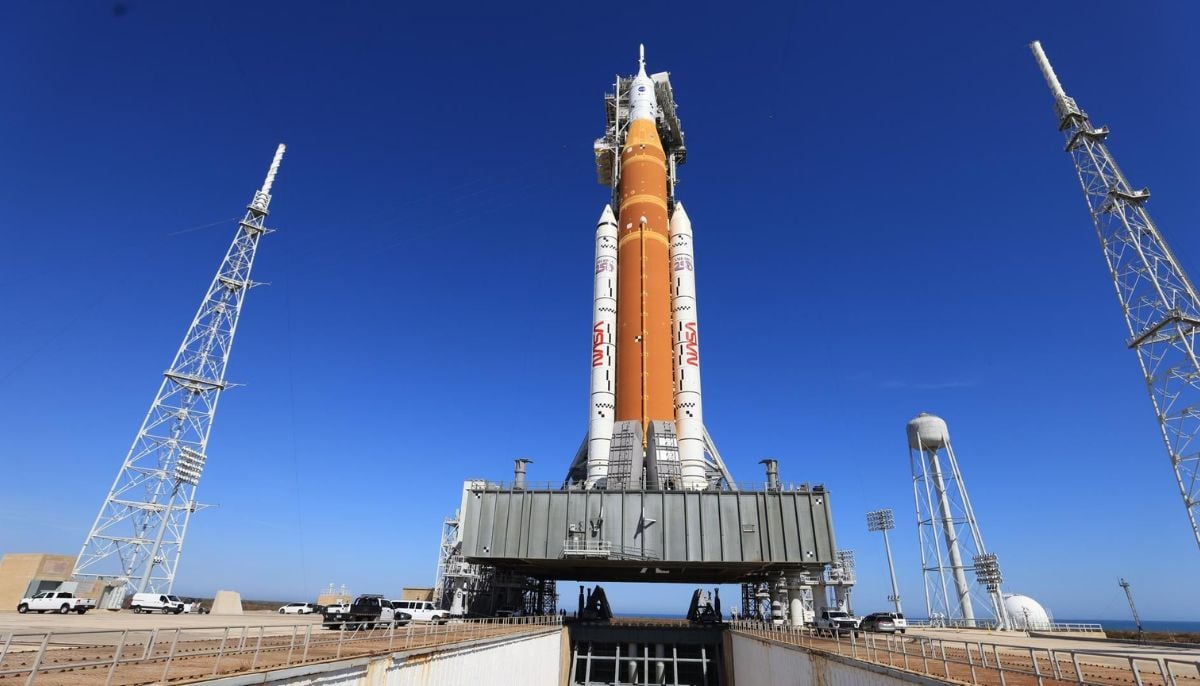
The NASA Artemis II mission has successfully launched its mission, which will send four astronauts on a 10-day Moon orbit mission while testing cubesats for deep space study.
Astronauts and small satellites aboard the spacecraft departed from Kennedy Space Center in Florida, which would release the satellites five hours after launch. NASA leads the mission to test systems and explore space conditions while conducting the first human spaceflight beyond existing boundaries.
NASA Artemis II mission marks historic return
The Artemis II mission will carry NASA astronauts Reid Wiseman, Victor Glover, and Christina Koch, along with Canadian Space Agency astronaut Jeremy Hansen.
The crew already started their 70-minute manual test phase, which started after the Orion capsule launched through the Space Launch System.
This Artemis II mission is the first human journey to the Moon’s vicinity in over 50 years, reviving ambitions last seen during the Apollo era. The mission will set new distance records that exceed all previous achievements of earlier missions.
The main highlight of Artemis II mission operations involves launching cubesats at intervals of one minute. The cubesats which Germany, South Korea, Saudi Arabia and Argentina provided will conduct research on radiation and space weather and communication systems.
Germany’s TACHELES will test how electronics behave in space, while South Korea’s K-Rad Cube carries humanlike tissue to measure radiation exposure across the Van Allen belts.
Saudi Arabia’s satellite will monitor solar particles, and Argentina’s ATENEA will test shielding and long-range communication systems.


-
 Elon Musk’s Mars colonization dream faces reality check from Nobel laureate
 -
 NASA competition model 2.0 cuts mission selection by 45%
 -
 A ‘neglected’ neutrino may hold the key to why the Universe exists
 -
 Can cancer drugs be made in space? Here’s what the new mission aims to find out
 -
 SpaceX Falcon 9 successfully launches Bandwagon-5 mission with 32 payloads
 -
 Europe launched 8 orbital rockets last year, can it rival Starlink?
 -
 Japan launches world’s first mission to bring sample back from phobos
 -
 Orionid meteor shower 2026: Peak date, viewing tips and what to expect