Meet the ‘last titan’: Giant new dinosaur identified from fossils in Thailand
The recent discovery underlines how changes in ancient climatic conditions allowed gigantic dinosaurs to develop
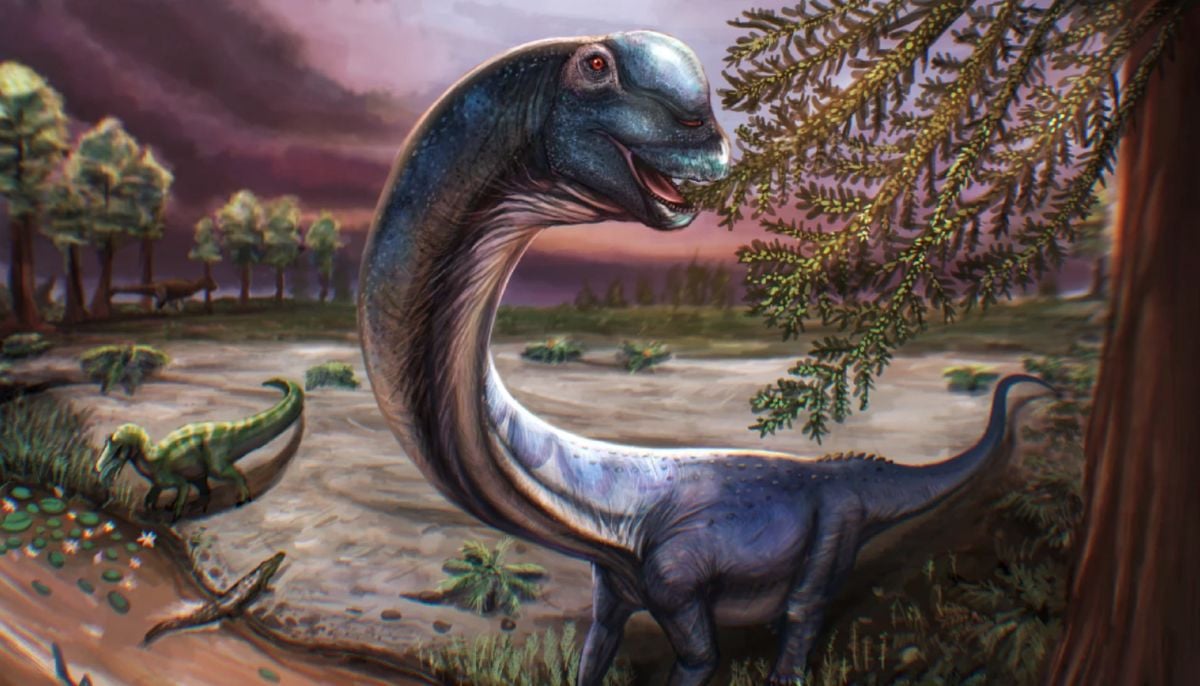
Scientists from the UK and Thailand have identified a new species of giant, long-necked dinosaur from remains excavated in northeastern Thailand. Named Nagatitan chaiyaphumensis, it is officially the largest dinosaur ever discovered in Southeast Asia.
The Nagatitan belongs to the sauropod family of long-necked herbivores. It weighed an estimated 27 tonnes-equivalent to nine adult Asian elephants-and measured 27 metres (88 feet) in length, making it longer and roughly heavier than a Diplodocus.
It lived during the early Cretaceous period, roughly 100 to 120 million years ago. Lead author Thitiwoot Sethapanichsakul, a Thai doctoral student at University of College London (UCL), nicknamed it “the last titan” because its fossils were preserved in Thailand’s youngest dinosaur-bearing rock formation, just before the region transformed into a shallow sea.
The creature’s name honors its origins and folklore: “Naga” refers to the mythical serpent of Southeast Asia lore, “titan” nods to the giant gods of Greek mythology, and “chaiyanphumensis” means “from Chaiyaphum,” the specific province where the bones were found near a pond a decade ago.
The Nagatitan is the 14th dinosaur species officially named in Thailand.
Thitiwoot Sethapanichsakul, a Thai doctoral student at University College London (UCL), was the lead author of the study which was published in the Scientific Reports journal.
“Younger rocks laid down towards the end of the time of the dinosaurs are unlikely to contain dinosaur remains because the region by then had become a shallow sea.
So, this may be the last or most recent large sauropod we will find in South-East Asia,” he said.
According to paleontologist Dr. Sita Manitkoon, the country boasts high fossil diversity, potentially ranking as the third most abundant region in Asia for dinosaur remains. The Nagatitan roamed the Earth during a period of intense global warming characterized by a significant rise in atmospheric carbon dioxide levels.
UCL’s Prof. Paul Upchurch noted that while the sauropod family grew massive during this era, this extreme size is evolutionary “odd,” as large-bodied animals naturally retain heat and find it incredibly difficult to cool down in hot climates.
In addition, he told Reuters that it was “likely that the high temperatures had an impact on the plant fodder that was important to sauropods, which were very large-bodied herbivores.’


-
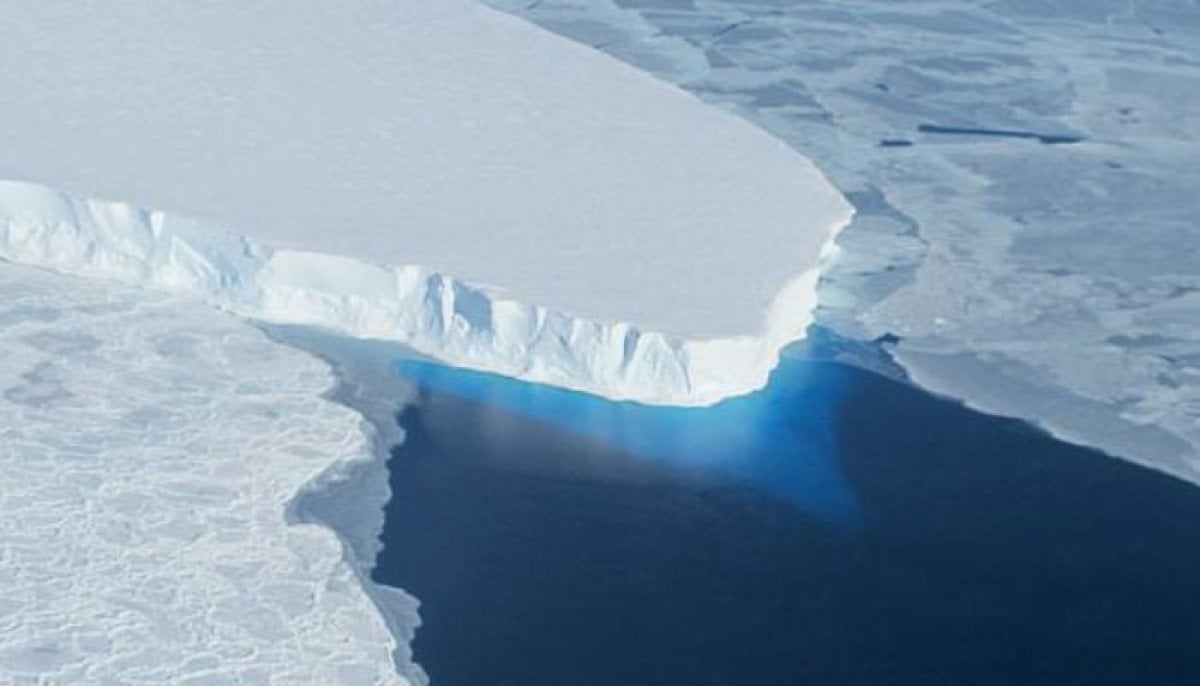 New study sounds alarm as Doomsday Glacier melts more aggressively than thought
 -
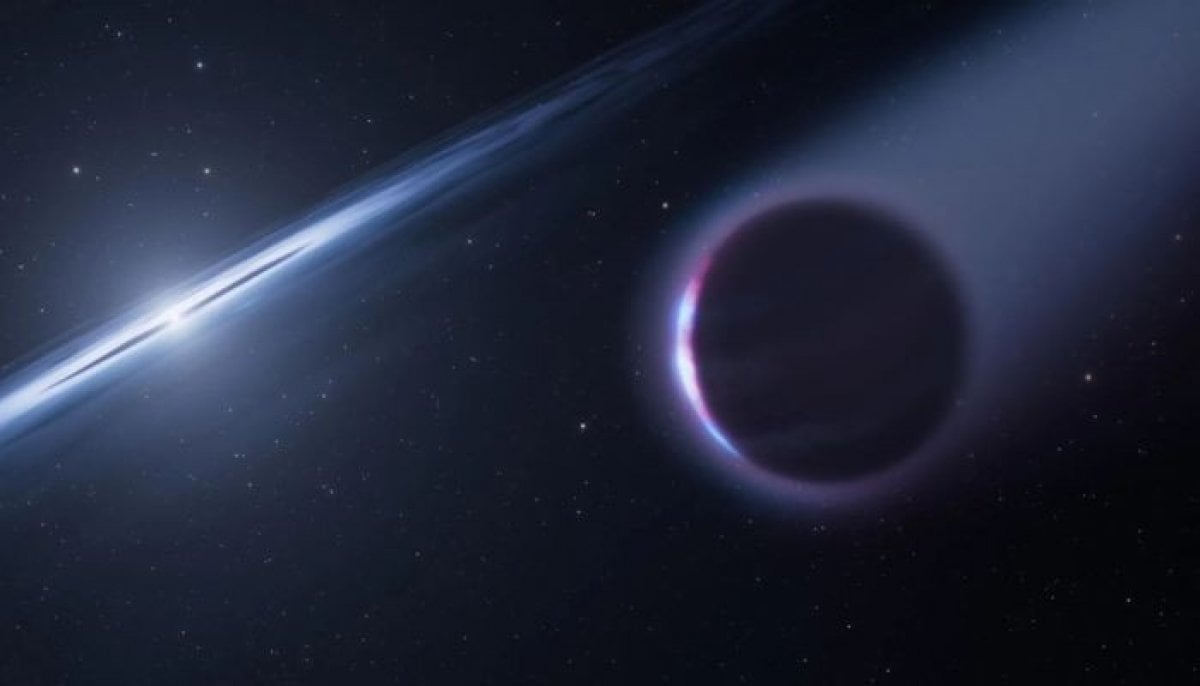 Hubble data hints at planet born after its star died
 -
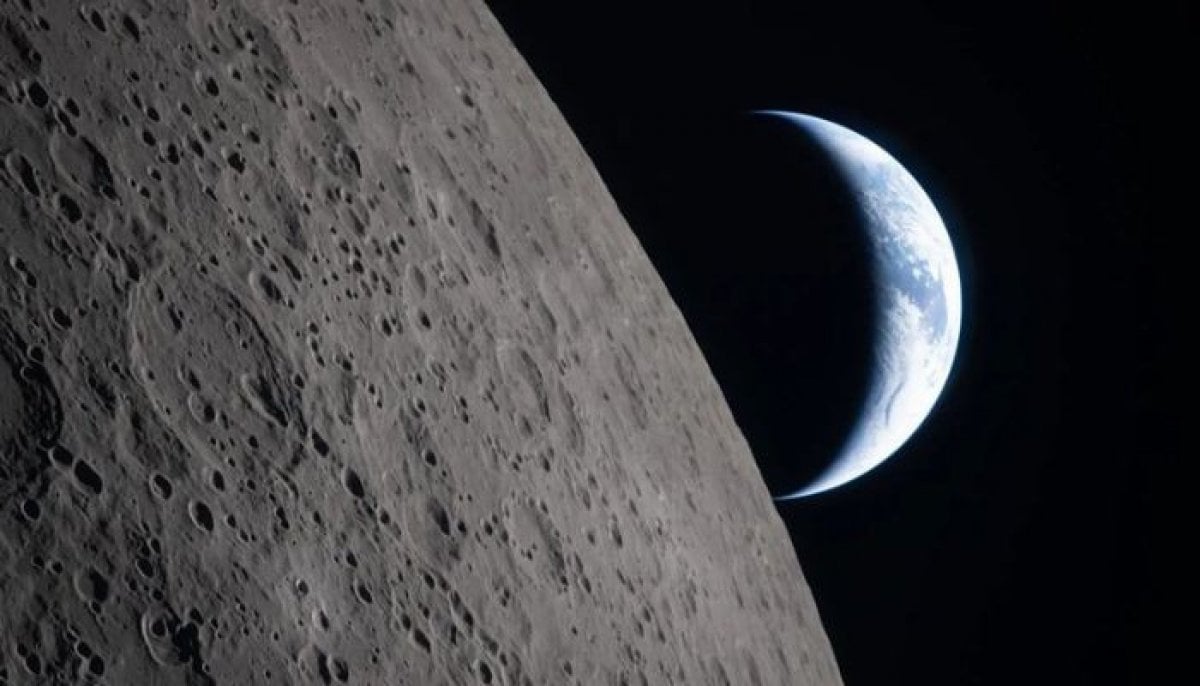 NASA to brief public on Artemis III mission progress
 -
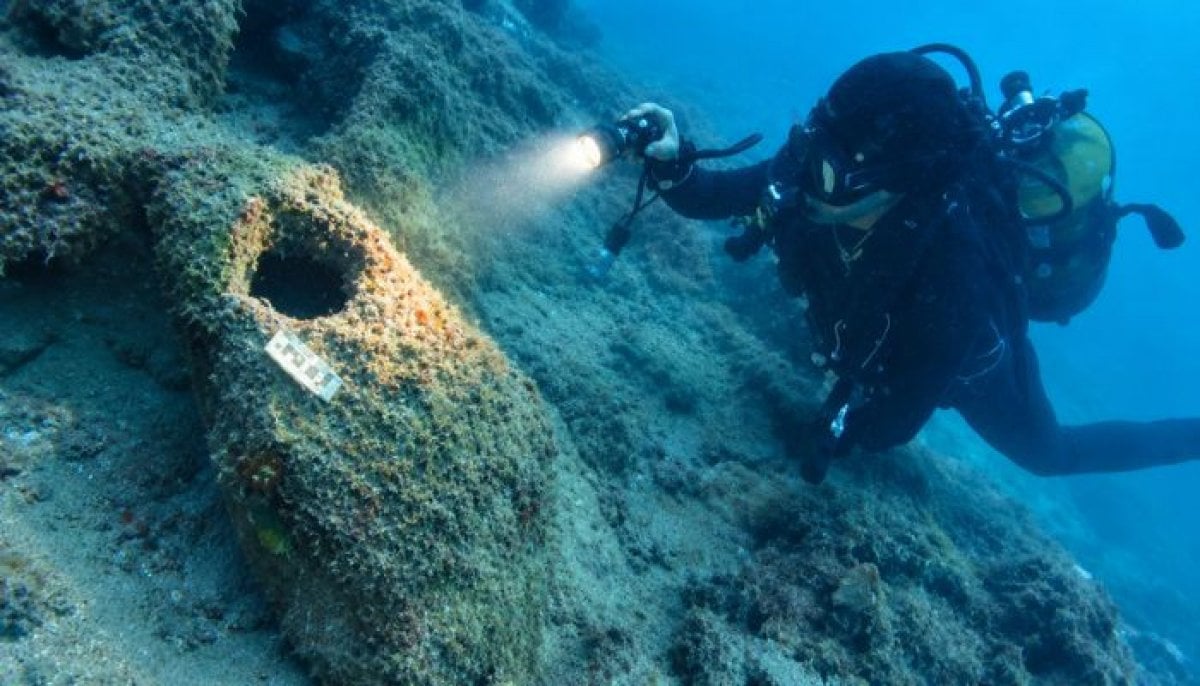 ‘Time capsule beneath the sea’: World’s oldest shipwreck holds secrets from Great Pyramid era
 -
 NASA spots mysterious V-shaped scar stretching 700 light-years across space
 -
 Space Jellyfish over Florida: What is that glowing cloud?
 -
 SpaceX Falcon 9 launches Dragon with 6,300 pounds of supplies to ISS
 -
 How far can a rover go? NASA’s Perseverance breaks Mars driving record