Scientists find hidden third ancestral group in Japanese genomes
Genetic analysis of 3,200+ Japanese people reveals a third ancestral group tied to ancient Emishi populations

For sixty years, scientists told the same story about Japanese ancestry. The population descended from two ancient groups: Jomon hunter-gatherers, who arrived thousands of years ago, and later East Asian migrants, who brought rice farming.
The research from RIKEN's Center for Integrative Medical Sciences published in Science Advances has completely disproven that narrative. The researchers discovered a third major ancestral population through their genomic sequencing study, which included more than 3200 Japanese participants who had been previously overlooked by scientists.
The team used whole-genome sequencing rather than the DNA microarray technology available before. This involves determining virtually all three billion base pairs that make up a person's genome, 3,000 times more data than previous approaches.
Their data was then plotted from Hokkaido in the far north to Okinawa in the south, resulting in the biggest study of its kind for a non-European population at the time.
To the scientists' surprise, the genome had strong Jomon ancestry, making up 28.5% of the people tested in Okinawa and only 13.4% in western Japan. Simultaneously, the western Japanese islands showed a much stronger genetic similarity to Han Chinese peoples due to extensive migrations between 250 and 794 AD. The new Emishi-related ancestry was found mostly in the northeastern islands.
"Japan's population isn't as genetically homogenous as everyone thinks," said study leader Chikashi Terao. This research revealed 44 genetic locations from Neanderthals and Denisovans that are still functional in the genome of today's Japanese population, with some of them being unique. The variant of one Denisovan gene associated with type 2 diabetes might affect drug sensitivity.


-
 SpaceX Falcon 9 successfully launches Bandwagon-5 mission with 32 payloads
 -
 Europe launched 8 orbital rockets last year, can it rival Starlink?
 -
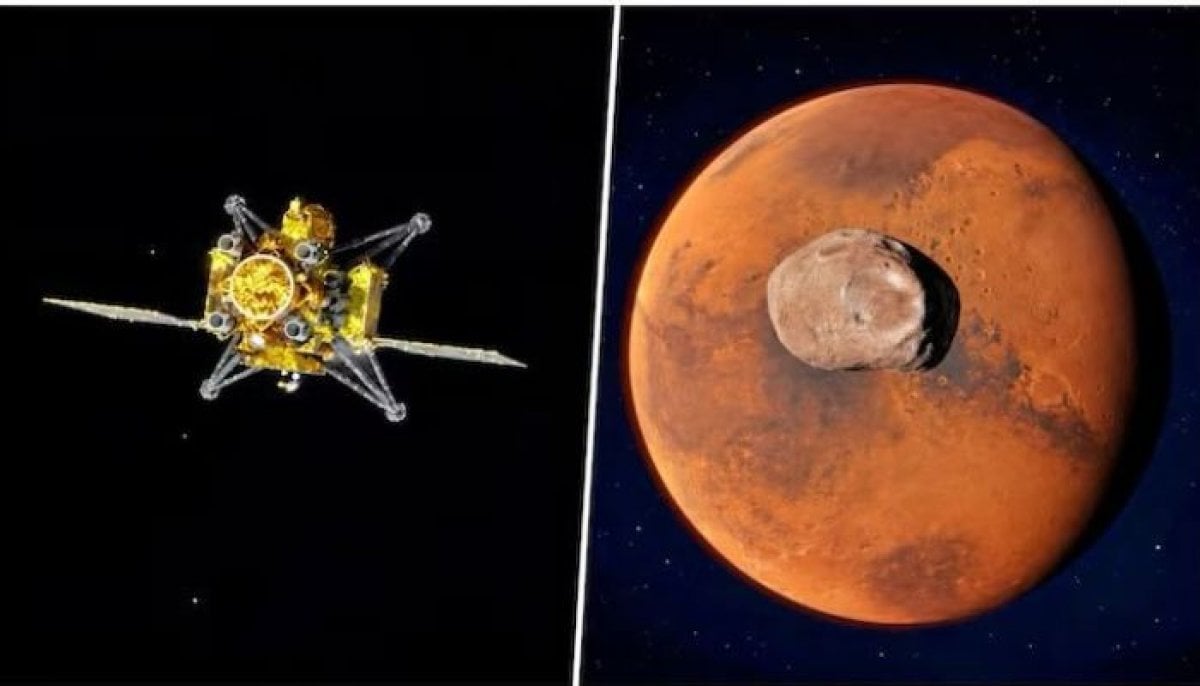 Japan launches world’s first mission to bring sample back from phobos
 -
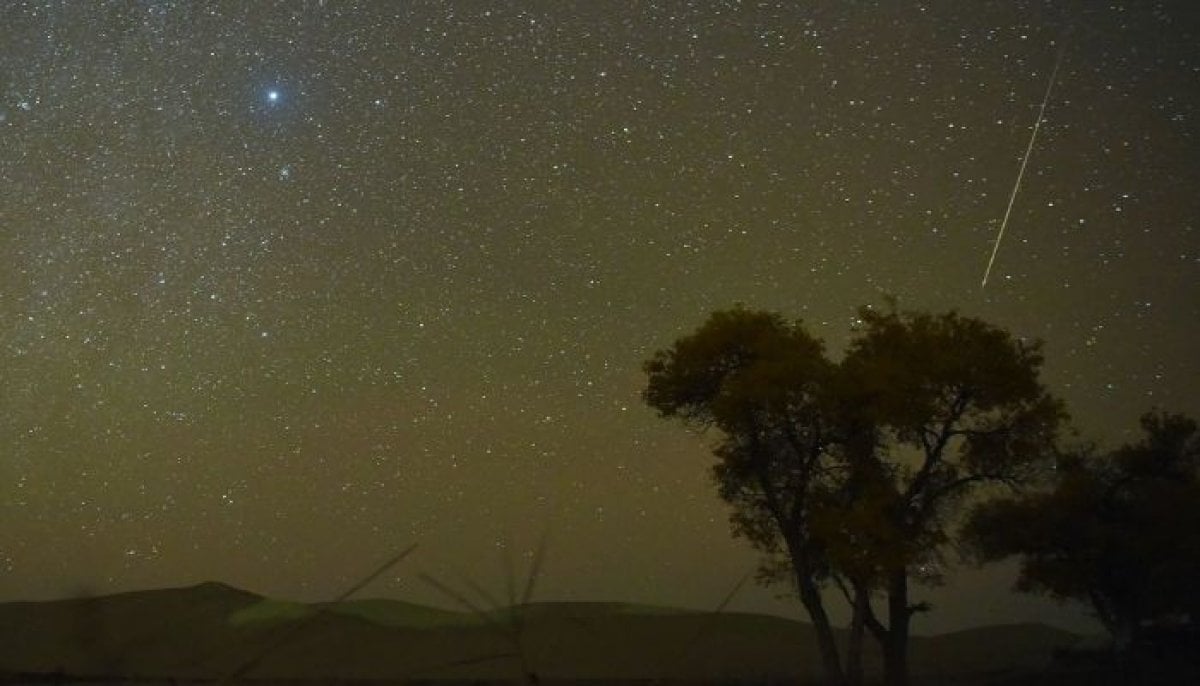 Orionid meteor shower 2026: Peak date, viewing tips and what to expect
 -
 Why Mars looks blue in NASA’s unedited curiosity panorama?
 -
 Blue Origin upgrades new Glenn rocket launch infrastructure to take on SpaceX
 -
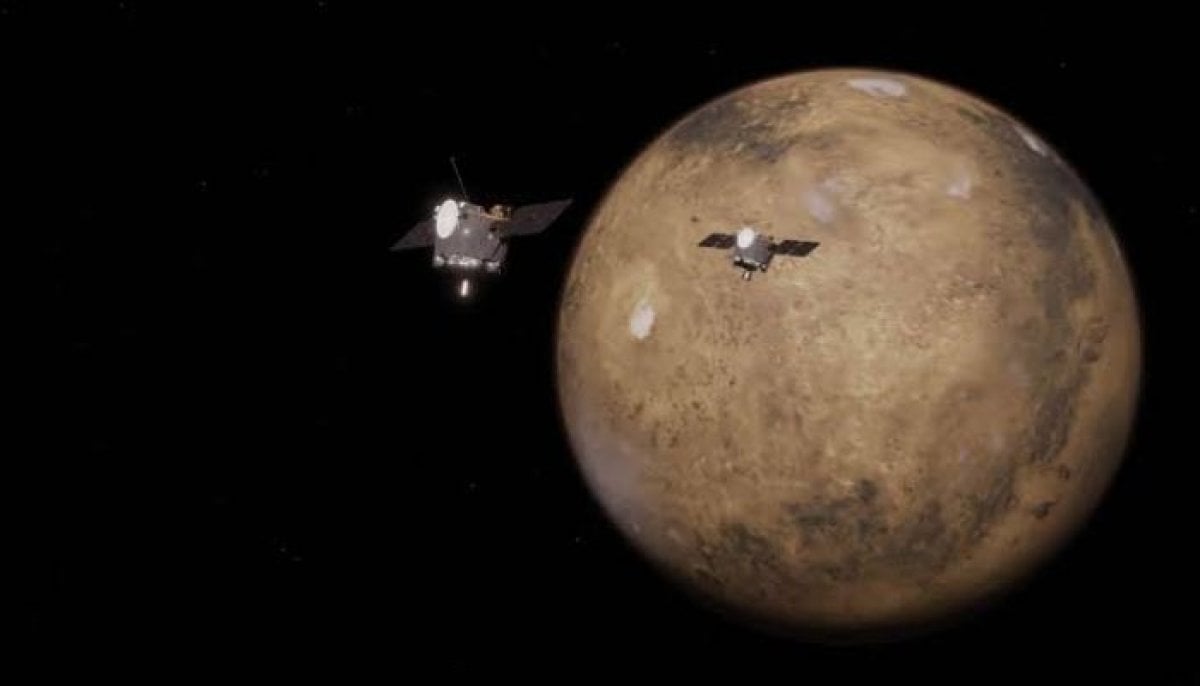 NASA’s next Mars mission targets Phobos and Deimos, not Red Planet
 -
 Is AI ready to rewrite our understanding of physics?