Why the Southern Ocean is melting: Antarctica’s sea ice resilience reaches a breaking point
Antarctica’s sea ice has declined sharply since 2015
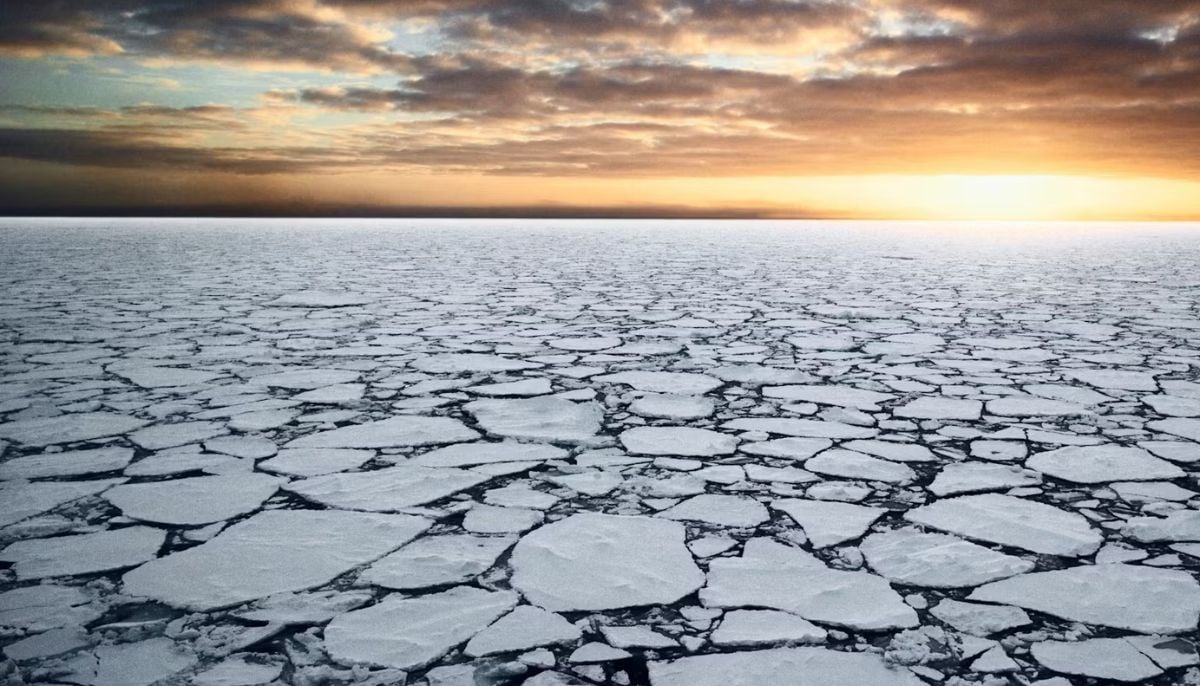
After decades of appearing “resilient” to global warming, Antarctica sea ice has entered a period of sharp decline. In 2023, winter ice levels plummeted to a record low- a statistical anomaly with only a 1 in 3.5 million chance of occurring naturally. The speed of this melt has shocked the scientific community.
Meanwhile, current climate models failed to predict such a rapid downturn, suggesting that environmental shifts are occurring much faster-or through different mechanisms- than previously understood. The crisis is driven by a decades-long chain reaction.
Strengthened winds-caused by greenhouse gas emissions and the ozone hole-have acted as a pump, forcing warm and salty water from the deep ocean toward the surface.
The Southern Ocean is now trapped in a self-reinforcing cycle. As rising heat melts surface ice, the remaining water becomes saltier and denser, making it easier to mix with warmer deep water.
This process prevents new ice from forming and accelerates further melting. Antarctic sea ice supports one of the world’s most distinctive ecosystems.
The loss of ice is already reshaping Antarctica’s unique ecosystem, with lower sea ice levels already linked to the mass drowning of emperor penguin chicks.
Experts warn that a long-term shift could destabilize not only the climate itself but also all life in the Southern Ocean, threatening the algae and krill populations that form the foundation of the food chain for whales and seals.
The loss of ice is already reshaping Antarctica's unique ecosystem. Antarctica acts as a “mirror”, reflecting sunlight to cool the planet; however, if these conditions persist, the Southern Ocean will stop limiting global warming and start accelerating it.


-
 Biden calls out Trump’s ‘vanity projects’ at Maryland Democratic Gala—Here’s why
 -
 Pima County Sheriff responds to new claims in Nancy Guthrie case
 -
 Mayor Mamdani jumps into NYC pool to revive old tradition
 -
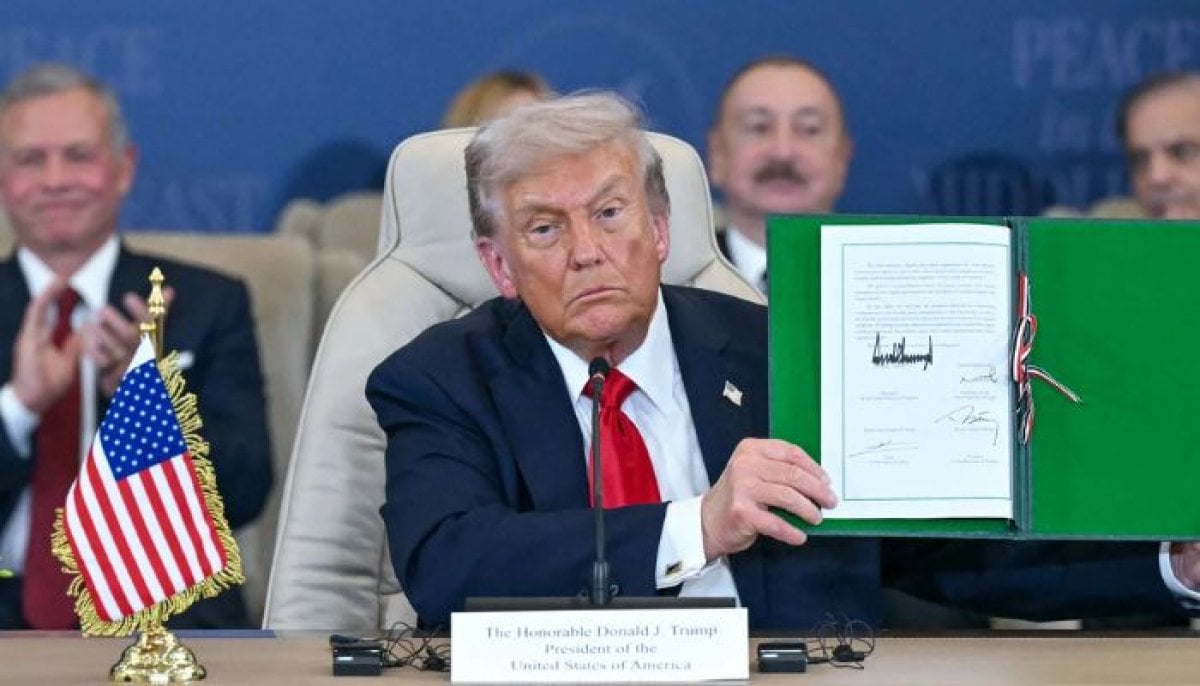 Trump’s Gaza Board of Peace seeks to grant itself total immunity and free use of property: Here’s why
-
 Scientists found 'super-puff' planets 1,110 light-years away
 -
 Scientists find ancient microbial life in places it shouldn't exist
 -
 Why Marijuana is suddenly sending thousands of dogs to hospitals in US?
 -
 36 years on, Hubble shows how stars actually change over time
 -
 Hidden magma beneath Mars? Scientists' 'unexpected' discovery raises new questions about alien life
 -
 Rare 3,200-year-old coral blue hole discovered in South China Sea
 -
 What happens at black hole’s event horizon? Scientists find the first-ever clue
 -
 Scientists discover evidence of fires used by humans 1.8 million years ago
-
 Did NASA just uncover evidence of ancient life on Mars? Key discoveries explained
 -
Four powerful earthquakes strike three continents within hours: Scientific link or coincidence?
-
Mysterious interstellar comet passing our solar system may be 12 billion years old, scientists say
-
When do we really become adults? Science has an answer