Can we finally find aliens? Scientists reveal a surprising new ‘organizational’ approach
The prime motive is not just to search for biosignatures, but rather to look at how they are systematized
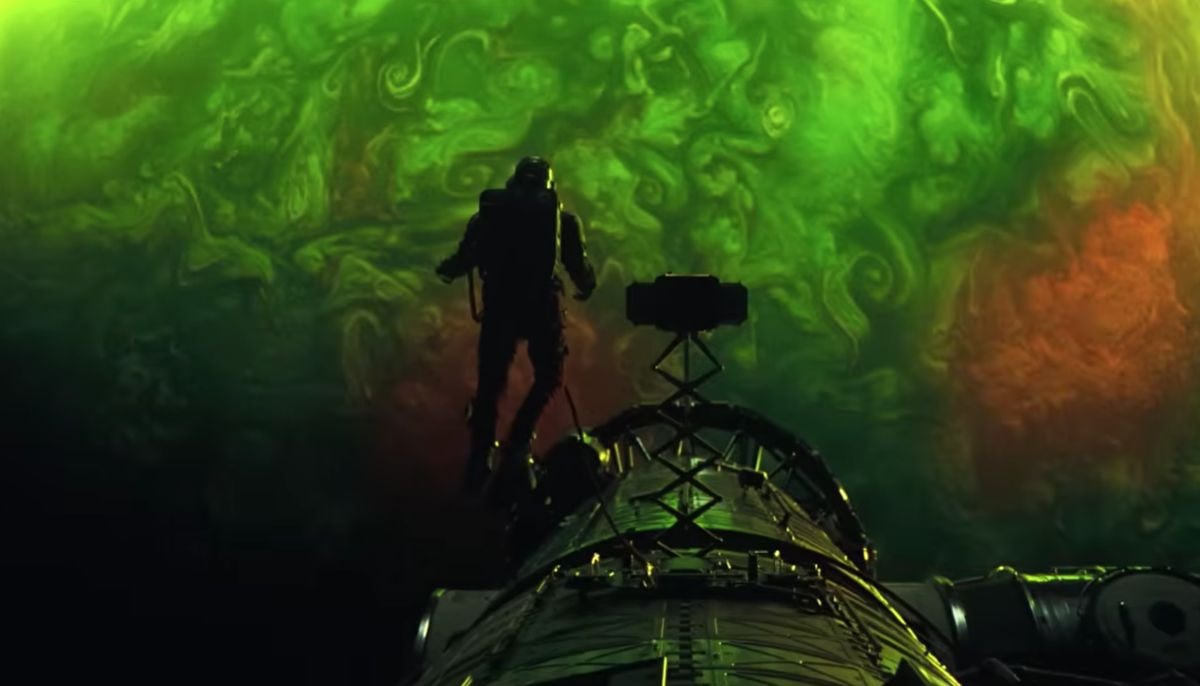
A surprising twist has emerged in the study of astrobiology: researchers recently suggested a new way of looking for alien life based on the idea that while the type of biosignatures is crucial, their organization is what truly matters.
While compounds like amino acids and fatty acids are often linked to life, they can also be produced by abiotic chemical reactions, making it difficult to confirm the presence of life on other planets.
“Our approach could help make the search for life more efficient. If a molecular assemblage shows no life-like organization, that may make it a lower priority target,” Fabian Klenner of the University of California, Riverside told Space.com.
Researchers have discovered a new way to distinguish between sources: biological amino acids are more diverse and evenly distributed than abiotic varieties, while biological fatty acids are less diverse and less evenly distributed.
However, this method requires a broad “inventory” of molecules to be effective. Consequently, it cannot yet be applied to distant exoplanets like K2-18b, where we currently only detect single molecules like dimethyl sulfide (DMS).
“We focused on amino acids and fatty acids because they are central molecular classes for life as we know it and because suitable datasets exist,” said Klenne.
A major advantage of this technique is that these organizational patterns persist even as biological samples degrade- a fact proven by fossilized dinosaur eggs, which still retained their distinct molecular distributions.
This is not a foolproof method of detecting life, warn the researchers. First of all, they have only shown that it works with amino acids and fatty acids. “In principle, similar organizational trends may exist for other molecular classes, but this still needs to be tested,” said Klenner.
“For a single molecule like DMS, the situation is different,” said Klenner. “For K2-18b, DMS alone would not be enough for our analysis — we'd need a broader inventory of related molecules.”
Because the patterns survive degradation, the technique is highly promising for searching for ancient life on Mars or investigating eruptive sites on Jupiter’s moon, Europa.
The technique is most effective within our solar system, where we have access to more complex datasets and physical samples.
A key breakthrough is that molecular organizational patterns remain intact even in highly degraded or ancient samples, such as fossilized dinosaur eggs. This persistence makes the method a vital tool for searching for signs of life on Mars from billions of years ago, despite the planet’s current harsh conditions.
While the technique cannot provide 100% confirmation of alien life, it serves as a sophisticated guide to help scientists identify the most promising locations for further study.
One of the instruments on board Clipper, the Surface Dust Analyzer, will be able to measure the abundance ratios of organic molecules in ice grains emitted from Europa, “said Klenner. “If families of organic molecules are detected, then our diversity-based approach will help interpret whether these molecules look more consistent with abiotic chemistry or biological organization.”


-
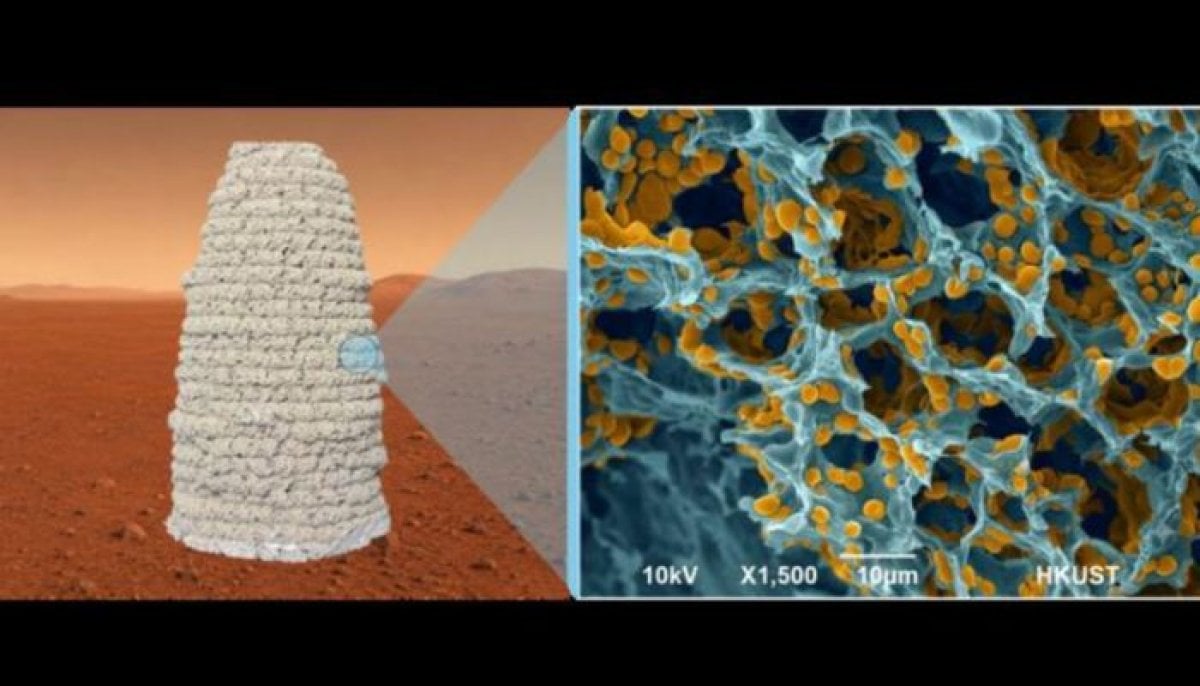 Could a newly engineered microbe help humanity survive on Mars?
 -
 Astronomers find most distant fast radio burst ever recorded
 -
 Draconid meteor shower tonight: Best time and places to see it
 -
 ‘A dream for 50 years’: Why world’s first nuclear clock could change timekeeping
 -
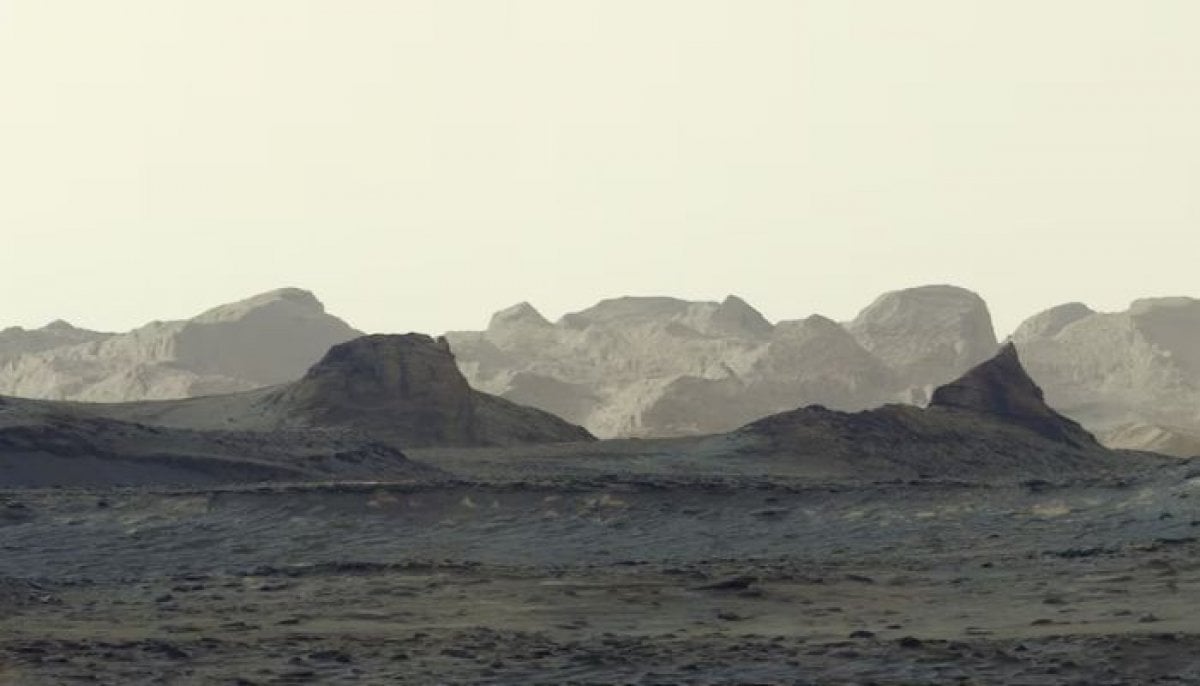 NASA Curiosity captures strange ‘wind-carved’ Mars landscape in dawn image
 -
 NASA's Crew-12 Dragon begins return trip from space station
 -
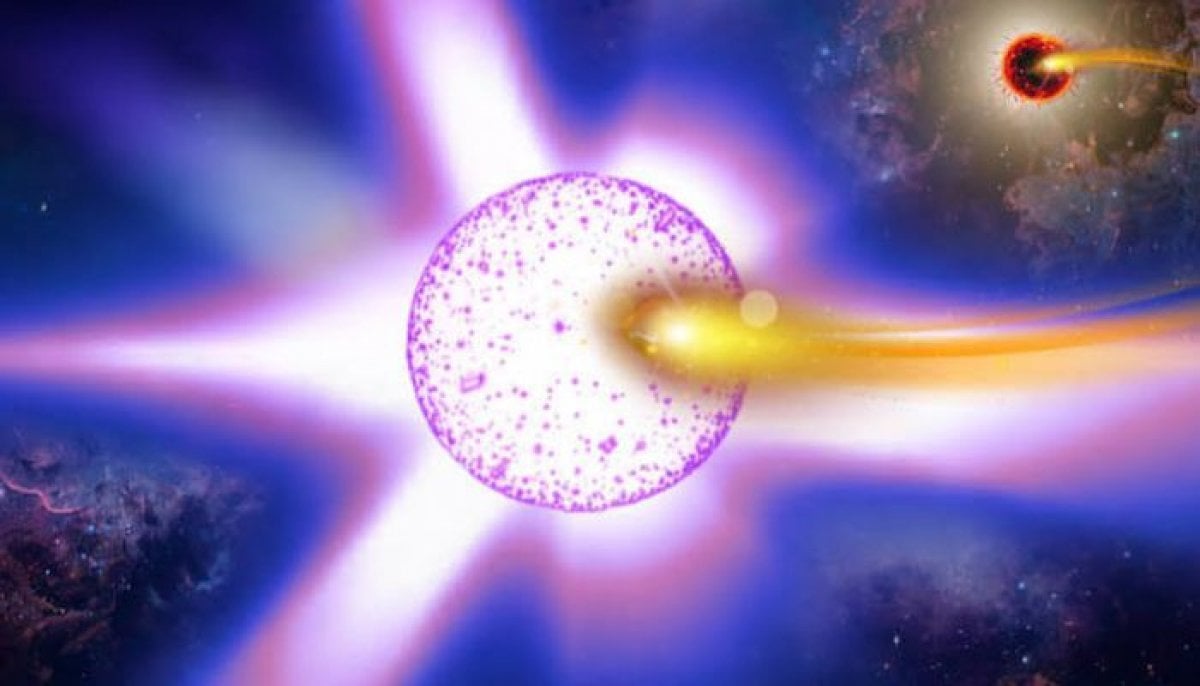 Mysterious ‘phoenix planet’ found around the remains of a dying star
 -
 First possible evidence of Planet Nine found in infrared data