Microsoft AI CEO predicts lawyers, accountants among jobs most at risk
Beyond job displacement warnings, Suleyman outlines Microsoft's longer-term AI ambition of super intelligence
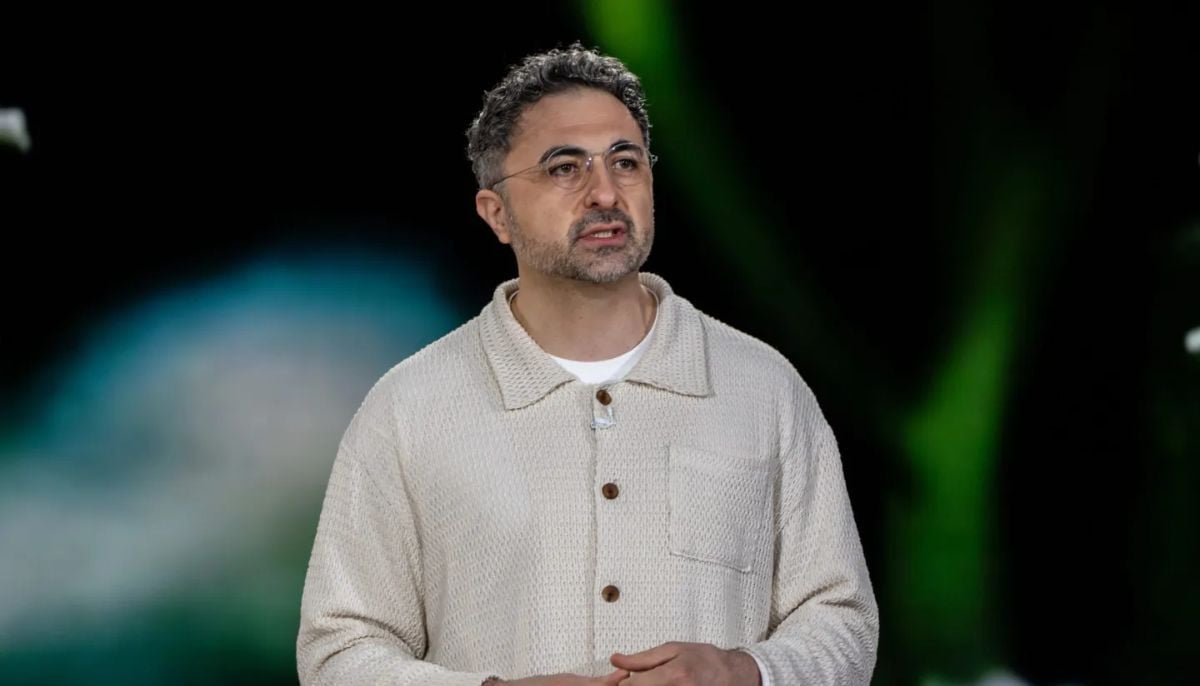
As artificial intelligence rapidly reshapes workplaces, new warnings now suggest that some of the most common white-collar professions might be among the hardest hit.
Like lawyers, accountants and marketers, they are being framed as especially vulnerable since AI tools start to take over everyday, screen-based tasks at an accelerating pace.
"Jobs where you are sitting down at a computer being a lawyer or an accountant or a project manager or a marketing person – most of those tasks will be fully automated by an AI within the next 12 to 18 months," Microsoft AI CEO Mustafa Suleyman said in the interview with the Financial Times.
The professions he named share a defining characteristic: they involve structured, repeatable cognitive tasks performed on a computer, legal research and document drafting, financial analysis and reporting, campaign planning and content production, project coordination and status tracking.
Suleyman pointed at coding as an example, where AI has moved from helping developers into actually producing most of the output in a lot of workflows. In other words, human engineers end up mostly reviewing things, debugging, and choosing the architecture, instead of just writing code from scratch all day.
Giving an example in medicine, he said AI systems can run diagnostic processes with more accuracy than human physicians, and that doesn’t mean doctors will disappear. It will, more or less, shift what they do.
"The job of the doctor is going to go from figuring out the diagnosis to actually administering the right care at the right time and providing emotional support," Suleyman said.
Beyond the job displacement warnings, Suleyman outlined Microsoft's longer-term AI ambition of building toward what he called "super intelligence" while reducing dependence on external AI providers.
Microsoft has extended its intellectual property agreement with OpenAI through 2032 but is simultaneously developing its own foundation models.
"Self-sufficiency means developing your own foundation model," Suleyman said, adding that Microsoft is investing in training infrastructure, compute capacity, and data organisation as parallel tracks.


-
 UK media watchdog warns X over illegal hate content despite moderation speed improvements
 -
 OpenAI vs. Apple: Former employee accused of taking unreleased device files
 -
 Google DeepMind, Google Cloud grant European researchers access to frontier AI models and $3M in compute
 -
 Apple and OpenAI head to court in trade secrets dispute: Key details to know
 -
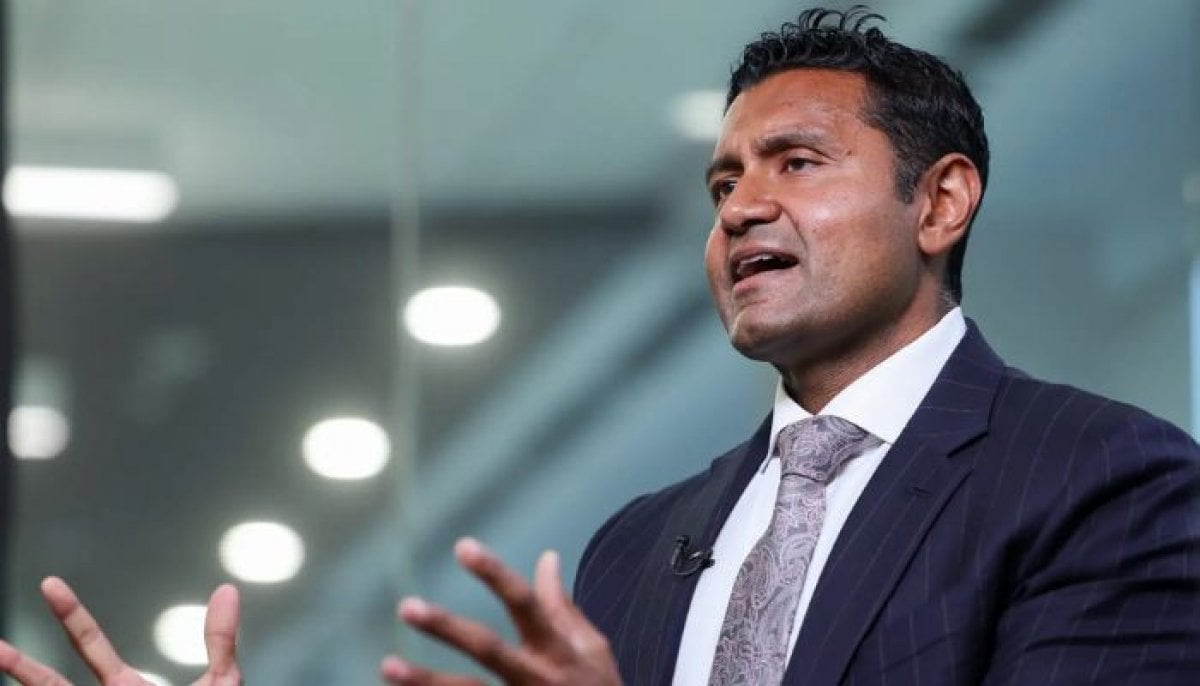 Will AI beat cancer? Palantir CTO shares researchers’ surprising bet
 -
 Google DeepMind chief warns AI hacks are just the beginning
 -
 How Google Gemini 4 Argon transforms enterprise AI
 -
 Your AI shopping assistant may be quoting prices stores never posted