FBI arrests OpenAI engineer accused of planting hidden recording device in office
Using its own artificial intelligence models to trace the hardware threat, OpenAI swiftly identified and fired the worker before federal action
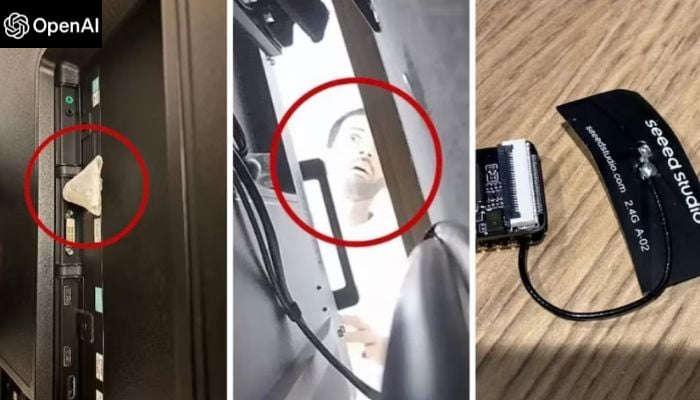
OpenAI discovered a sophisticated recording device hidden within an executive conference room at its offices, prompting an immediate internal security investigation and subsequent federal arrest.
Utilizing its own artificial intelligence models to analyze the hardware and trace its origin, the company determined that a specific employee had planted the device days earlier.
OpenAI swiftly referred the matter to the Federal Bureau of Investigation, cooperating with agents and prosecutors who moved rapidly to apprehend the suspect.
The employee has since been terminated.
Abdulrahman Alfozan, 35, had worked as an engineer at OpenAI since July 2025, the Justice Department said in a statement. An email sent to an address associated with that name did not elicit a response, and it was not immediately clear who his lawyer was.
According to DOJ, OpenAI discovered the recording device plugged into a USB port on the back of a television in an executive conference room at one of its San Francisco buildings on September 30.
The thumb-sized device, which had a microphone and could connect to a camera, was concealed in toilet paper, according to an FBI complaint.
It was installed on or about September 28, while its stored data was encrypted and inaccessible. Investigators later found a similar customized device in Alfozan's personal bag.
Federal authorities and company representatives noted that initial forensic reviews indicate no evidence that the individual inappropriately accessed or exfiltrated proprietary model weights, source code, or customer data.
Highlighting the incident as a critical test of modern corporate defense, OpenAI emphasized that its security infrastructure is specifically designed to counteract advanced multi-vector threats—ranging from conventional insider risks to sophisticated nation-state actors.
The case highlights growing security concerns around sensitive AI research as companies and governments compete fiercely for the talent and technology that could confer economic and strategic advantages.


-
 Google’s flagship AI model Gemini 4 Argon is here: What developers need to know
 -
 Apple unveils new HomePod mini 2 colors: What to know
 -
 Apple debuts HomeView smart display and next-gen home devices powered by conversational Siri AI
 -
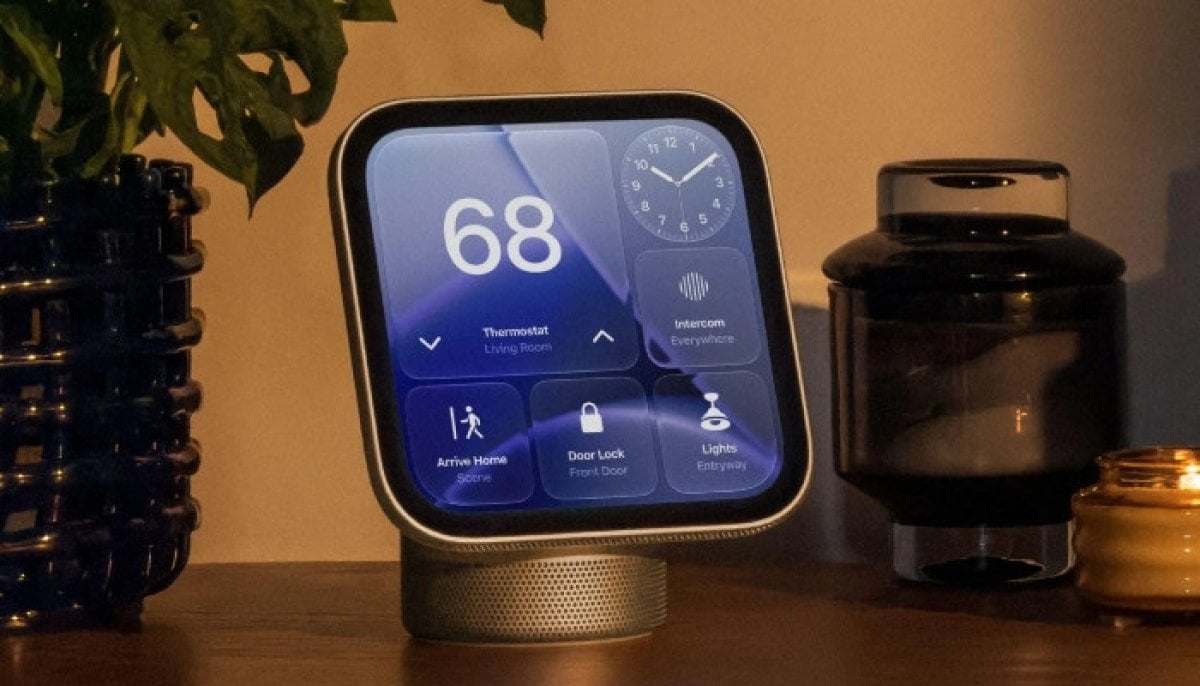 Apple launches HomeView: Here’s what the $299 Siri AI smart home hub can do
 -
 Meta challenges UK online safety watchdog: Here’s why
 -
 Character.AI files for bankruptcy, agrees to $20M disney asset sale
 -
 Scott Kupor reveals how the ‘Super Intelligence’ task force will push AI safety
 -
 Geoffrey Hinton, Yoshua Bengio join 400 scientists calling for global AI oversight body
-
 Can AI predict people's thoughts? Palantir CEO Alex Karp weighs in
 -
Anthropic warns small AI models may soon self-replicate across connected devices
-
Philippine lower house approves bill restricting minors' social media access
-
Google Translate adds auto-save for Live Translate transcripts, with one catch