Meta challenges UK online safety watchdog: Here’s why
Meta is challenging Ofcom in court for acting irrationally in calculating fine and fee pricing

Meta reportedly challenged Britain’s media regulator today over how it calculates fees and monetary sanctions under the Online Safety Act arguing that the watchdog’s calculations lack proportionality.
According to the 2023 law, Ofcom allows it to impose fines of up to 10% of global turnover which is greater to recover the costs of revenue-based regulatory funding.
This challenge comes a week after Ofcom launched an inquiry into the company’s risk management adequacy regarding its Instagram Instants feature before launching it in May. The case brought by Meta opened in London’s High Court on Tuesday and challenges Ofcom’s use of global rather than UK revenue to determine fees and maximum fines.
In response, Meta argued that Ofcom acted ultra vires by defining qualifying worldwide revenue as broadly as possible with the motive of imposing the highest possible penalties. The company is also fighting Ofcom, joining TikToK and X in a separate post hearing last week over the volume of information the regulator is demanding.
A statement from Meta spokesperson reads: “However, we and others in the tech industry believe its decisions on the methodology to calculate fees and potential fines are disproportionate.”
“We believe fees and penalties should be based on the services being regulated in the countries they're being regulated in. This would still allow Ofcom to impose the largest fines in UK corporate history.”
Furthermore, Ofcom said it has been tasked with regulating an industry that had previously been left completely unchecked for more than 20 years.


-
 Apple launches HomeView: Here’s what the $299 Siri AI smart home hub can do
 -
 Character.AI files for bankruptcy, agrees to $20M disney asset sale
 -
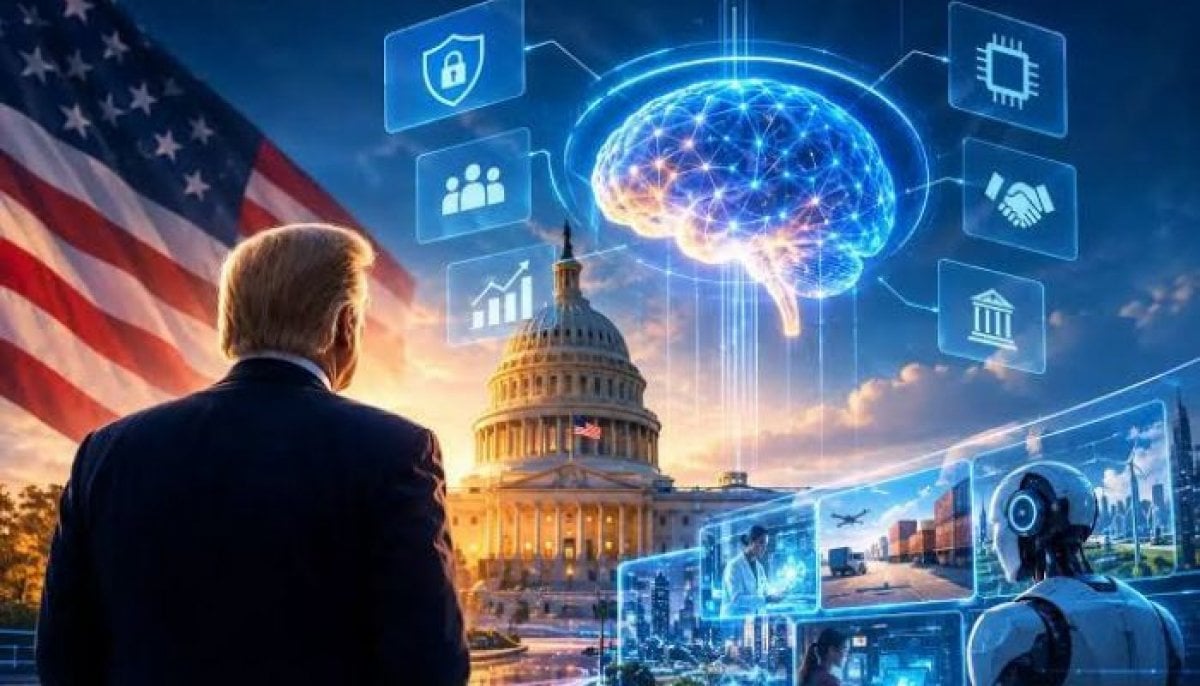 Scott Kupor reveals how the ‘Super Intelligence’ task force will push AI safety
 -
 Geoffrey Hinton, Yoshua Bengio join 400 scientists calling for global AI oversight body
 -
 Can AI predict people's thoughts? Palantir CEO Alex Karp weighs in
 -
 Anthropic warns small AI models may soon self-replicate across connected devices
 -
 Philippine lower house approves bill restricting minors' social media access
 -
 Google Translate adds auto-save for Live Translate transcripts, with one catch