TikTok CEO sees AI transforming science in just 3 years
'The trend is very very clear. It’s that we are only at the beginning of what artificial intelligence can probably do,' Shou Zi Chew says
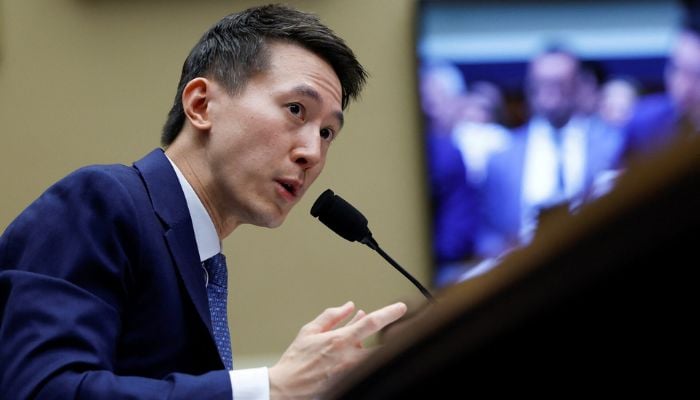
TikTok CEO Shou Zi Chew has an optimistically revolutionary view of artificial intelligence to share with the world as he predicts that AI will unlock major scientific breakthroughs within the next three years.
As a result of these significant breakthroughs, a broad range of sectors will be transformed. Speaking at the DBS Asia Future Forward Conference in Singapore on Monday, Chew said, “In the next two to three years, we’re going to have a real scientific breakthrough: physics, biotech, chemistry, material science, because of AI. It’s very, very, very possible.”
According to Chew, the technological advancements happening at breakneck pace could unlock far-greater benefits for humanity than currently anticipated. But here is the catch: the AI advancement also brings forth a question related to regulating increasingly powerful AI systems within human ethical boundaries. “If that happens, then you know the question would be: how do you align the models?”
Speaking about AI-focused breakthroughs, Chew added, “The trend is very very clear. It’s that we are only at the beginning of what artificial intelligence can probably do. And if you look at where the trend is, [where] the progress is, particularly in areas of science, it’s really trending on a very steep curve at this moment in time.”
TikTok CEO’s remarks comes as the top tech executives have been investing billions of dollars into AI-powered scientific research. For instance, Meta, Google and the US government announced a $1.8 billion initiative to develop AI models capable of predicting the behaviour of cells to expedite biological research and drug discovery.
Highlighting the position of ByteDance in exploring AI-driven scientific breakthroughs, Chew said the company is developing its own models to boost research and collaborate with other scientists.
“There’s an effort to see how we can collaborate with a lot of scientists to make some progress in science as well,” Chew added. “There’s been some work that we’ve done in this area, and it is very exciting.”
Seed’s research team launched Protenix-v2 in April. This advanced AI model predicts and designs biomolecular structures to power next-generation drug discovery.


-
 Microsoft president reveals a surprising gap in AI regulation
 -
 WhatsApp to let you schedule texts, photos, videos: Check details here
 -
 Canadian YouTuber builds camera to track police vehicles: What to know
 -
 Google Gemini access is changing: What users need to know
 -
 WhatsApp update blocks logins on outdated phones: Here’s what to know
 -
 Vance says Microsoft replaced laid-off workers with foreign hires: What the visa data shows
 -
 Hollywood takes aim at Zuckerberg, Musk and Altman over AI fears
 -
 Amazon CEO points to Netflix as data centre backlash grows