Will AI beat cancer? Palantir CTO shares researchers’ surprising bet
Earlier Palantir CEO Alex Karp believed that AI would soon be able to predict people thoughts and actions

Palantir CTO Shyam Sanker has revealed a surprising bet the AI researchers have made over the growing capabilities of artificial intelligence.
Speaking in an interview with CBS News, Sanker said AI researchers are smoking cigarettes to show how much they believe in technology, especially AI models.
“I believe so much in AI that it’s going to cure cancer. So I’m showing you my chips are all in.”
“So there is kind of this mass psychosis, social delusion around it,” he added.
Shankar characterized recent warnings from AI researchers about existential risks as a "theological critique" grounded in the belief that AI is a "machine god," rather than an argument backed by "empirical facts."
“But if you understand that it’s actually a theological critique, then you can kind of weigh it against the empirical facts of what is actually happening out there.”
“I think there’s a profound truth to Pascal’s saying that every human has a God-shaped hole in their heart. And it’s important to understand that many of these folks in Silicon Valley who are building this technology have filled that hole with the machine god of AGI.”
According to founder of AI wearable startup Friend, Avi Schiffmann, the time will come when one gets lung cancer, and advanced AI robots would be able to cure it.
Right now, there have not been AI-powered breakthroughs that show promising results about beating cancer. But it is a widely held belief that in the coming years, AI will revolutionize scientific breakthroughs.
TikTok CEO Shou Zi Chew has an optimistically revolutionary view of artificial intelligence, “In the next two to three years, we’re going to have a real scientific breakthrough: physics, biotech, chemistry, material science, because of AI. It’s very, very, very possible.”


-
 Google DeepMind chief warns AI hacks are just the beginning
 -
 Inside Gemini 4 Argon: How Google's 1M-token flagship model changes enterprise AI
 -
 Your AI shopping assistant may be quoting prices stores never posted
 -
 Google Photos tests shared camera for group events upgrade
 -
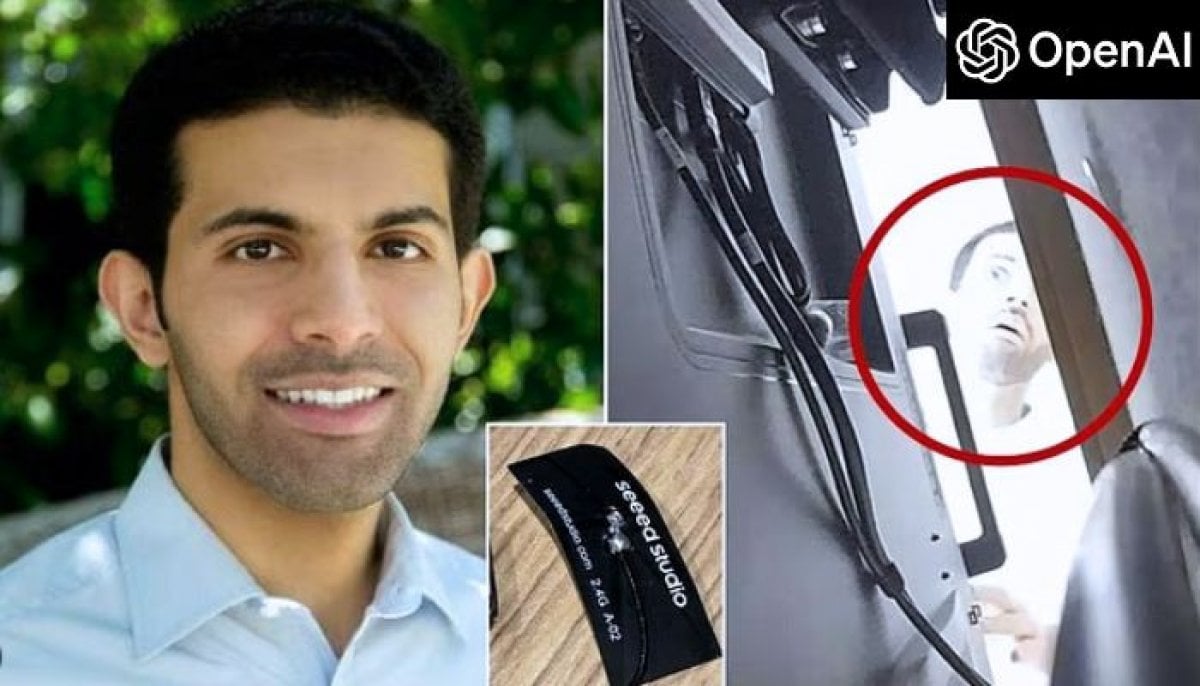 FBI arrests OpenAI engineer accused of planting hidden recording device in office
 -
 Google’s flagship AI model Gemini 4 Argon is here: What developers need to know
 -
 Apple unveils new HomePod mini 2 colors: What to know
 -
 Apple debuts HomeView smart display and next-gen home devices powered by conversational Siri AI