Where is Artemis II today? Here is everything to know about NASA’s journey to the moon
NASA's Orion crew capsule can handle a lunar mission with humans aboard before a landing is attempted as early as 2028
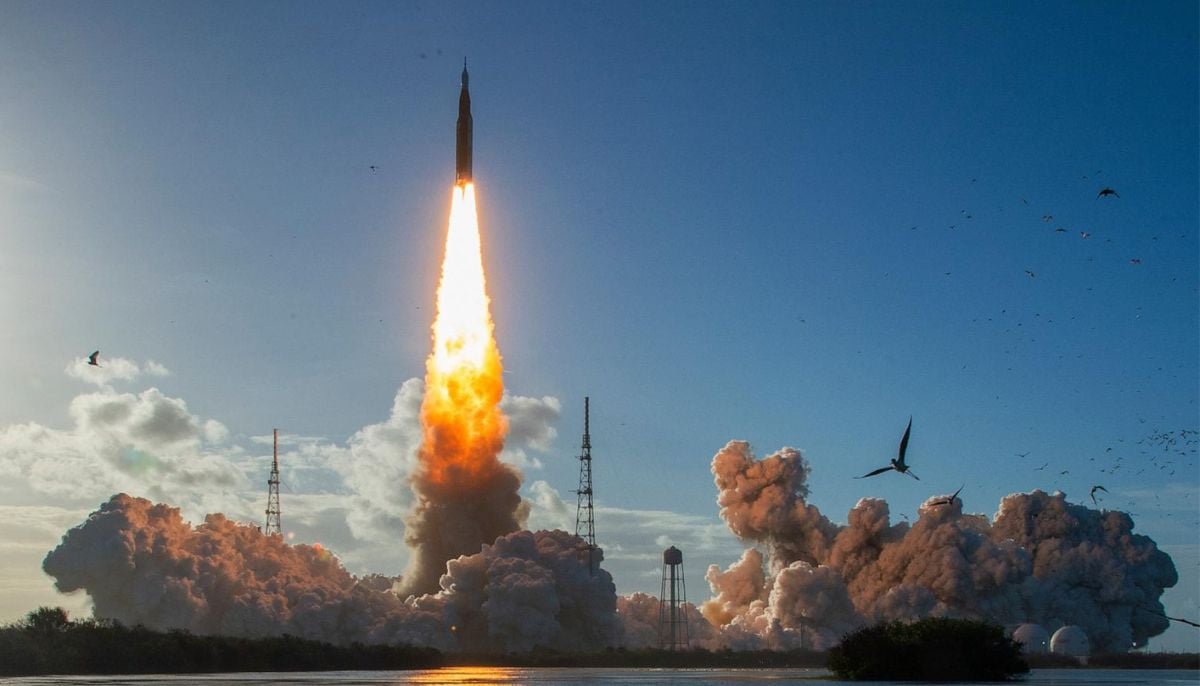
The Artemis II crew is currently in high-Earth orbit following their successful launch the previous evening on Thursday, April 2. The mission officially began at 6:35 p.m. ET on Wednesday, April 1, from Florida’s Kennedy Space Center, utilizing the Space Launch System (SLS)-the most powerful rocket ever launched by NASA. The four-person crew includes NASA astronauts Reid Wiseman, Christina Koch, and Victor Glover along with Canadian Space Agency astronaut Jeremy Hansen. This mission marks several firsts: Victor Glover is the first Black man, Christina Koch is the first woman, and Jeremy Hansen is the first Canadian to venture toward the moon. The crew is currently performing maneuvers to raise the spacecraft’s perigee.
This prepares Orion for the translunar injection burn, the critical engine firing that will send them on a four-day trip toward the moon. If schedules hold, the spacecraft is expected to reach the moon for a historic lunar flyby on Monday, April 6. The crew is set to travel farther from Earth than any humans in history, surpassing the distance record of approximately 248,655 miles set by the Apollo 13 mission in 1970. This 10-day test flight is a vital precursor to NASA’s goal of returning humans to the lunar surface, a milestone currently targeted for as early as 2028.


-
 A ‘neglected’ neutrino may hold the key to why the Universe exists
 -
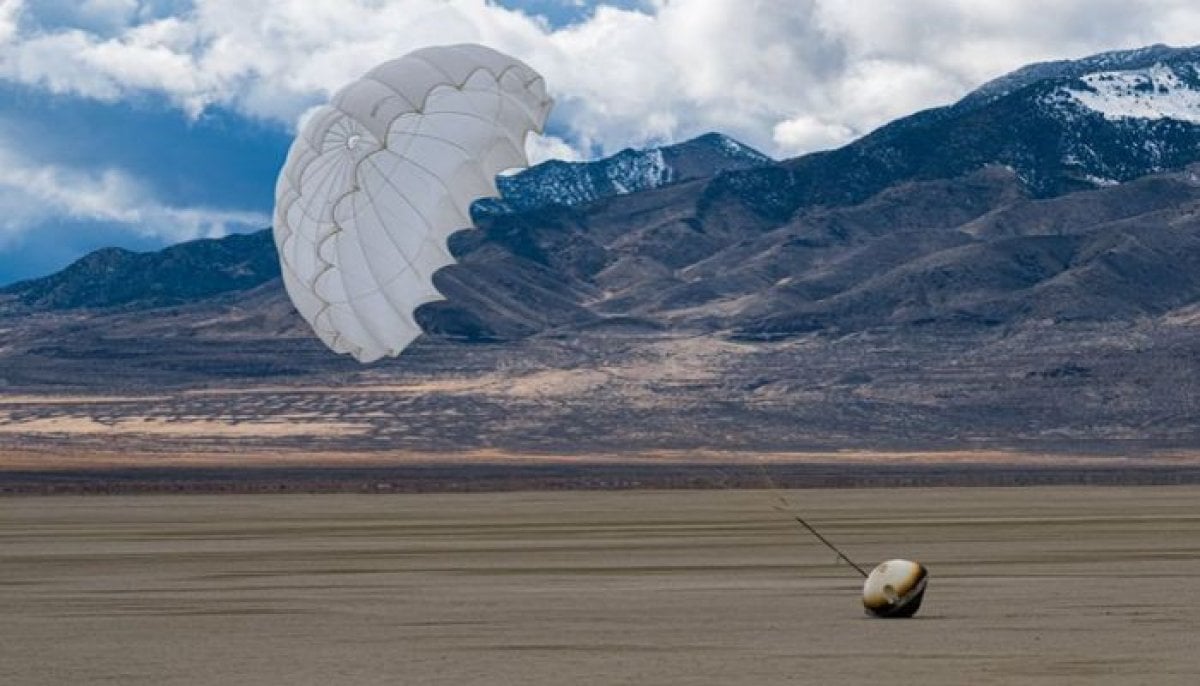 Can cancer drugs be made in space? Here’s what the new mission aims to find out
 -
 SpaceX Falcon 9 successfully launches Bandwagon-5 mission with 32 payloads
 -
 Europe launched 8 orbital rockets last year, can it rival Starlink?
 -
 Japan launches world’s first mission to bring sample back from phobos
 -
 Orionid meteor shower 2026: Peak date, viewing tips and what to expect
 -
 Why Mars looks blue in NASA’s unedited curiosity panorama?
 -
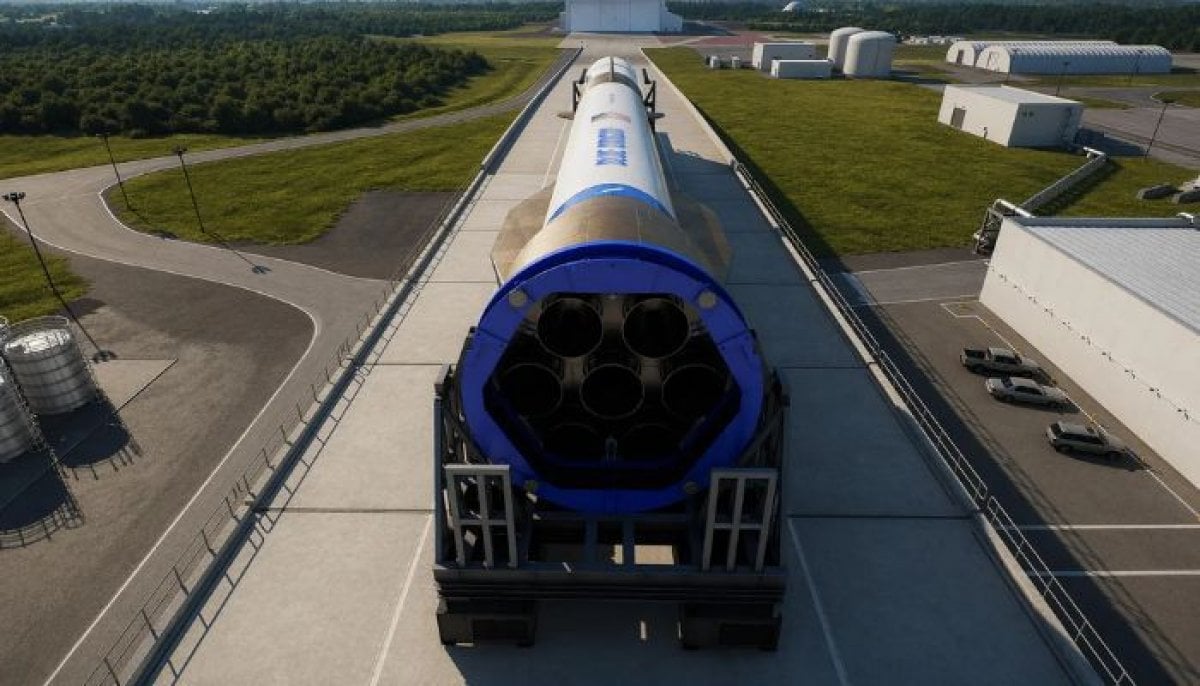 Blue Origin upgrades new Glenn rocket launch infrastructure to take on SpaceX