Astronomers may have found the first moon beyond our solar system
The object is unusual because it does not orbit a planet
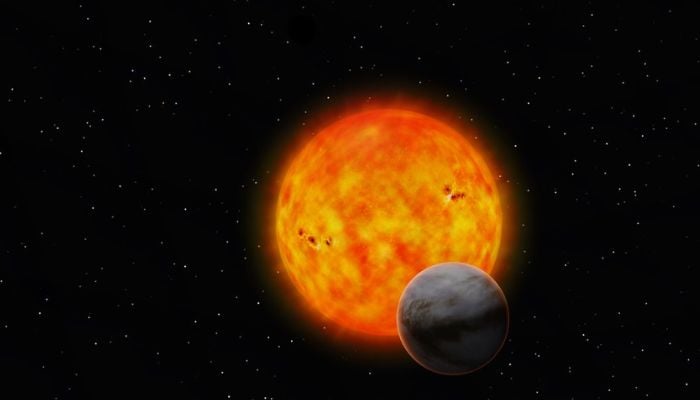
Astronomers in a recent breakthrough have discovered an unusual object that adds a layer to the cosmic mystery.
The most surprising thing is that even researchers are clueless about what to call it.
The recent discovery is about a unique celestial object in the CD-352722 star system that could be the first moon found outside our solar system. What makes it super-weird is its inability to orbit a planet. Instead it circles a brown dwarf that orbits a star,
While massive enough to be considered a planet, its specific orbital path makes researchers inclined toward calling it a moon, despite not resembling the small, rocky moons in our solar system.
The team has decided to call it an “exosatellite” because it blurs the lines between planets, stars and moons.
The discovery is reported in a new paper titled Planetary-Mass Exosatellite Detected Around a Star’s Substellar Companion, published in the journal Nature.
“We have a clear delineation between the planets and the Sun in the Solar System, so defining things like moons is simple,” said Alice Zurlo, the lead author of a new study.
“In the CD-35 2722 system, where we are blurring the lines between stars, planets, and moons, the whole thing becomes more complicated to describe.”
For years, astronomers have been making efforts to find exomoons, but it has remained in vain. Although they discovered more than 6,000 exoplanets, none of them has been fully confirmed to exist.
The discovery helps scientists understand the commonality of such objects, their formation, origin, and nature.
“As exotic as it is, this system is truly unique and represents a breakthrough: the first plausible detection of an exosatellite,” said Zurlo.





-
 Space datacenters could catastrophically pollute Earth, groups warn
 -
 Astronomers just solved a 10-billion-year-old Milky Way mystery
 -
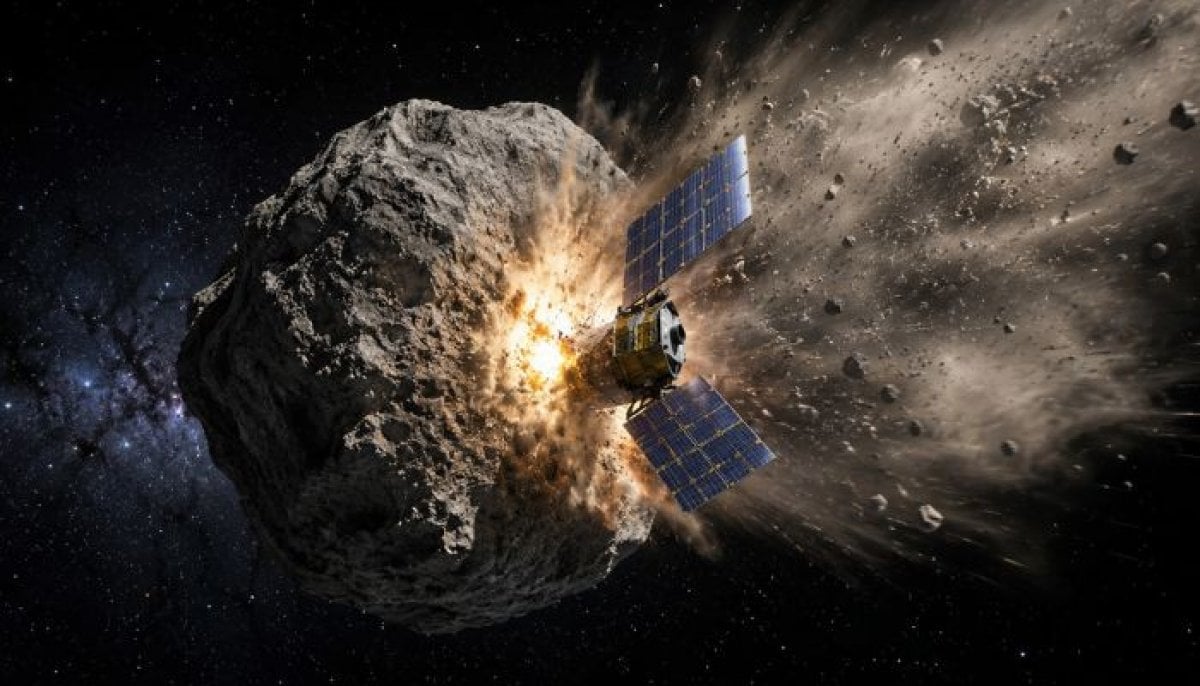 Why China is crashing a spacecraft into asteroid 2015 XF261
 -
 Australia's Great Barrier Reef at extreme risk of ‘ecosystem collapse’, scientists warn
 -
 James Webb Space Telescope reveals how black holes feed themselves
 -
 Japan’s upper-close asteroid flyby: Why scientists said it was too dangerous
 -
 Scientists find hidden structure inside Orion Nebula
 -
 China launches first of 1,000 space-computing satellites
-
 Perseid meteor shower 2026: Here is everything to know about peak dates and best viewing times
 -
Solar storm risks may be worse than previously thought, study finds
-
Actor James Franco claims mysterious video shows alien outside his home
-
Rare New Jersey meteorite reveals 'alien world chemistry', study finds