China launches first of 1,000 space-computing satellites
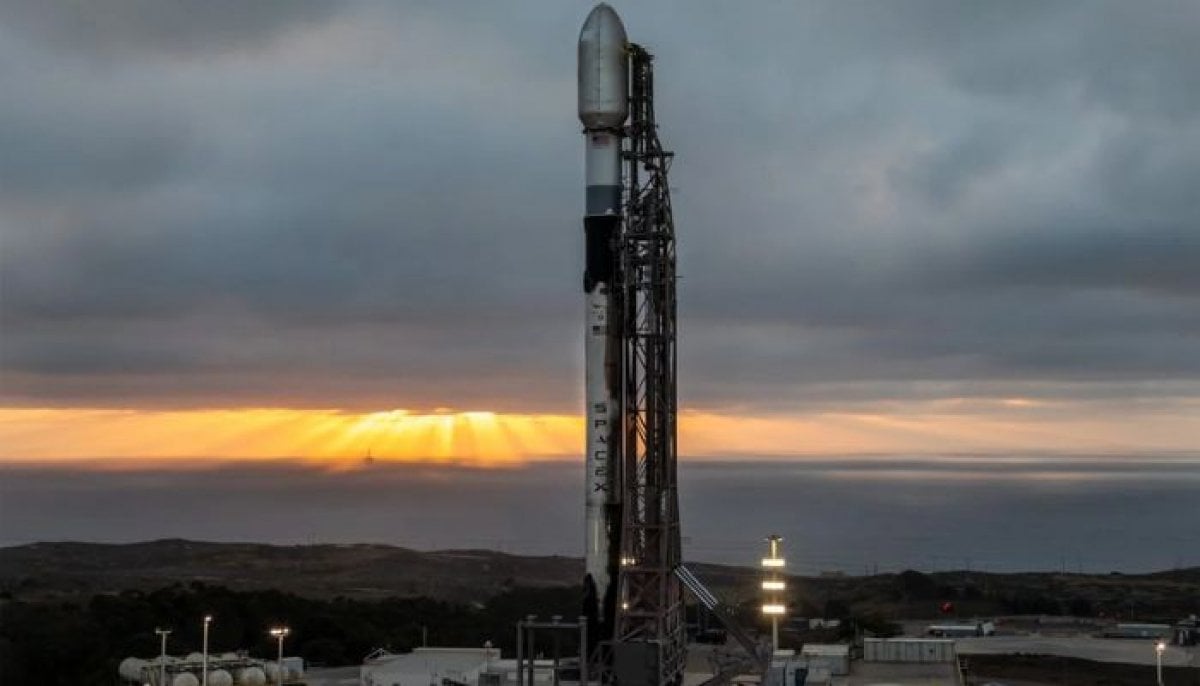
China's announcement comes in the wake of Elon Musk’s SpaceX company working towards developing its own space computing project
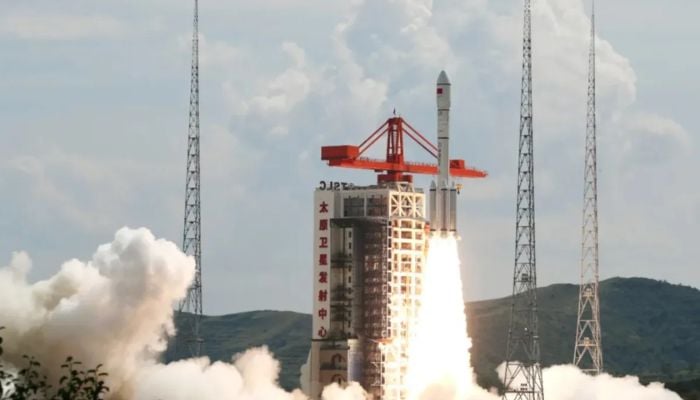
China's push to move AI computing into orbit gained a new entrant this weekend. Shanghai Xingshu Tiansuan Space Technology said Saturday it had launched the first constellation in a project the company says will ultimately deploy 1,000 satellites.
The announcement landed alongside President Xi Jinping's appearance at the 2026 World Artificial Intelligence Conference in Shanghai, running July 17 to 20, where Xi positioned Beijing as a leading voice shaping global AI governance.
It’s worth mentioning that the launch occurs within a larger context of China announcing AI-related developments during this same week, in connection with the conference, as opposed to just being an achievement of its own.
The basic concept behind space computing consists of not sending data from sensors or satellites directly to Earth but processing it directly in space and sending back only the results.
This approach could potentially reduce latency and bandwidth issues, especially when considering tasks such as earth observation or distributed AI inference.
China has multiple companies pursuing similar approaches, including Zhongke Tiansuan and a Zhejiang Lab-led project known as the Three-Body Computing Constellation, both targeting large-scale orbital compute networks in the coming years.
At the same time, the announcement comes in the wake of Elon Musk’s SpaceX company working towards developing its own space computing project. This has gained impetus after SpaceX entered into a complete stock merger with xAI in February 2026, which valued both companies together as being worth nearly $1.25 trillion.
Space computing centres have been mentioned by Musk as a solution to the problem of limitations of energy and cooling systems available on Earth for the growth of AI technology.


-
 NASA to brief public on Artemis III mission progress
 -
 ‘Time capsule beneath the sea’: World’s oldest shipwreck holds secrets from Great Pyramid era
 -
 NASA spots mysterious V-shaped scar stretching 700 light-years across space
 -
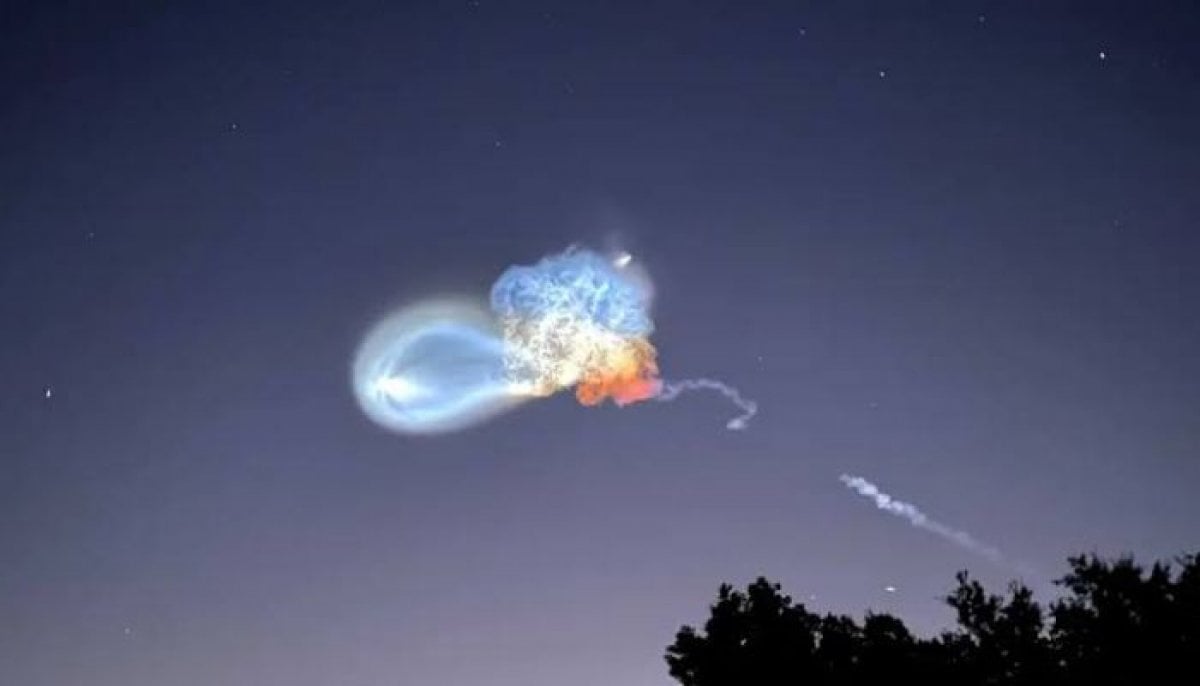 Space Jellyfish over Florida: What is that glowing cloud?
 -
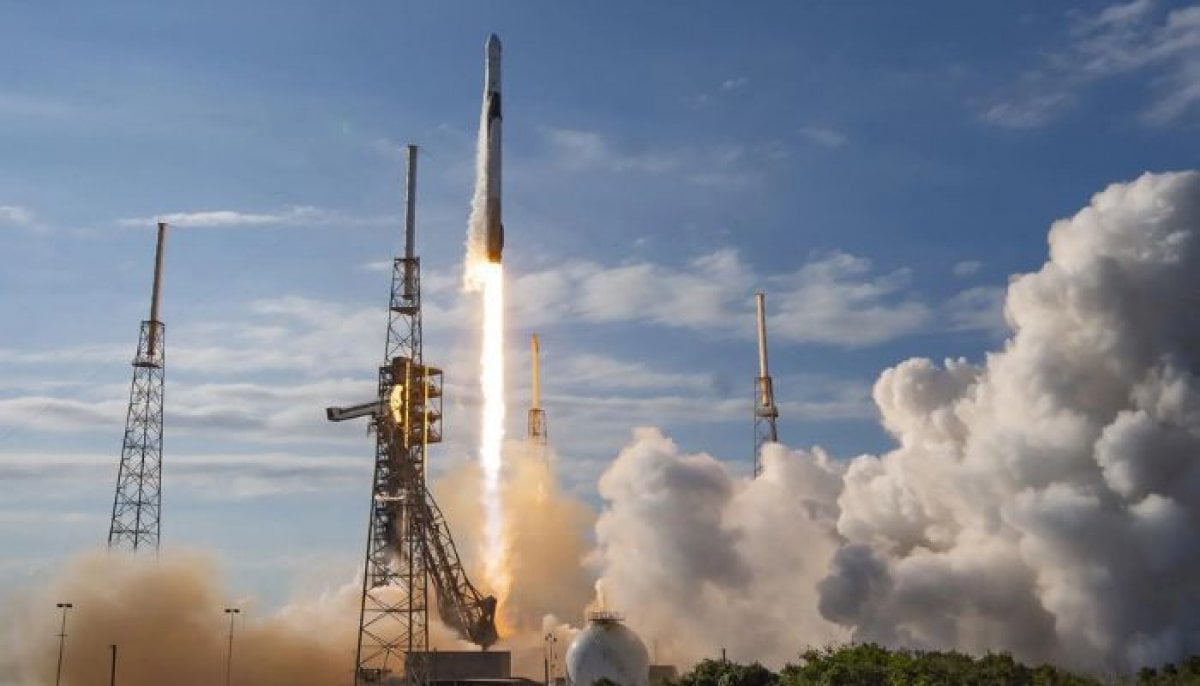 SpaceX Falcon 9 launches Dragon with 6,300 pounds of supplies to ISS
 -
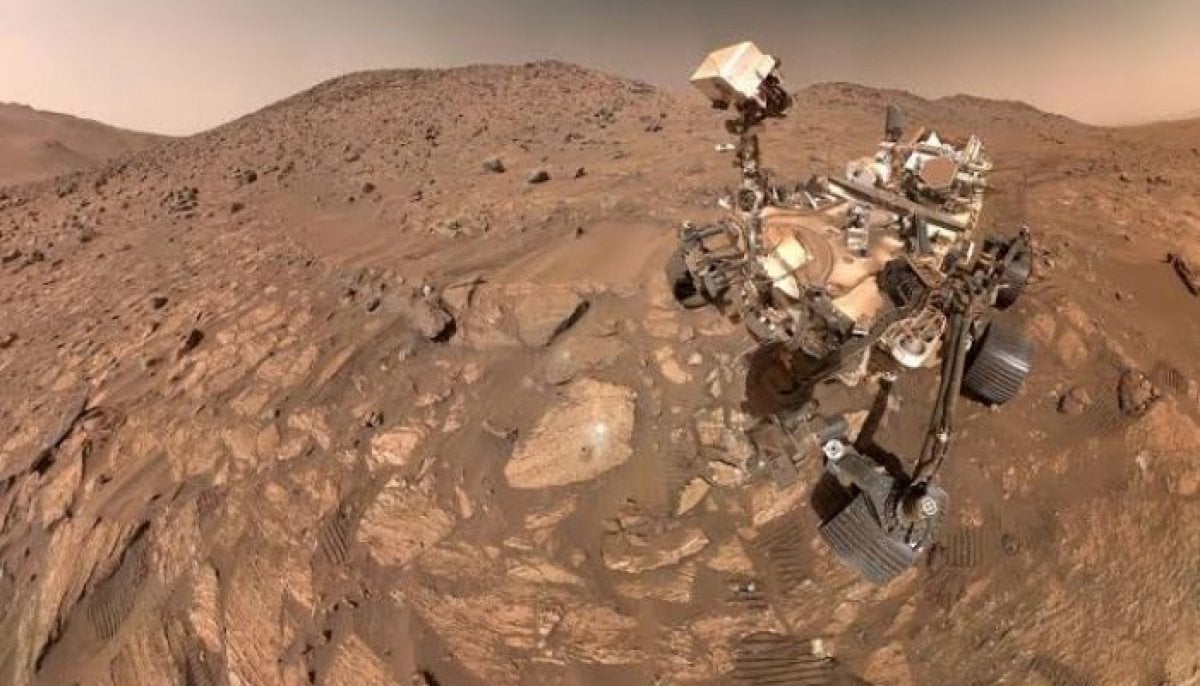 How far can a rover go? NASA’s Perseverance breaks Mars driving record
 -
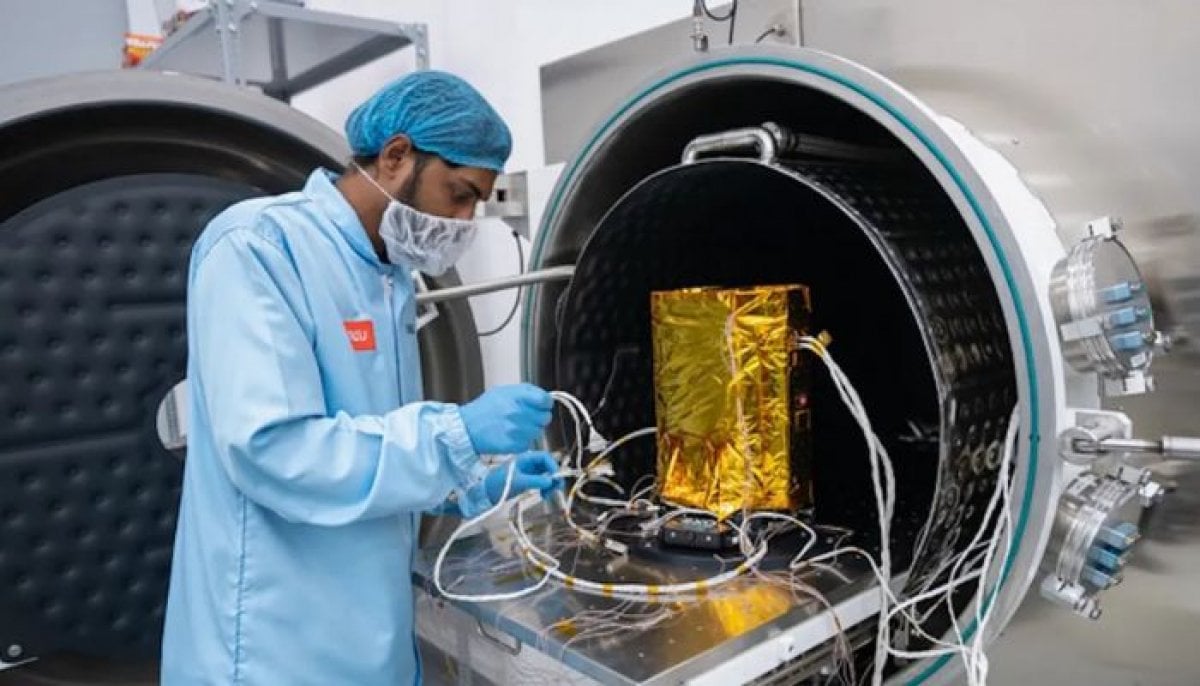 UAE builds asteroid lander designed to crash into its target
 -
 SpaceX Falcon 9 launches 21 military satellites into orbit