Solar storm risks may be worse than previously thought, study finds
New Nature study led by NASA and Lancaster University researchers finds Earth's response to extreme solar storms
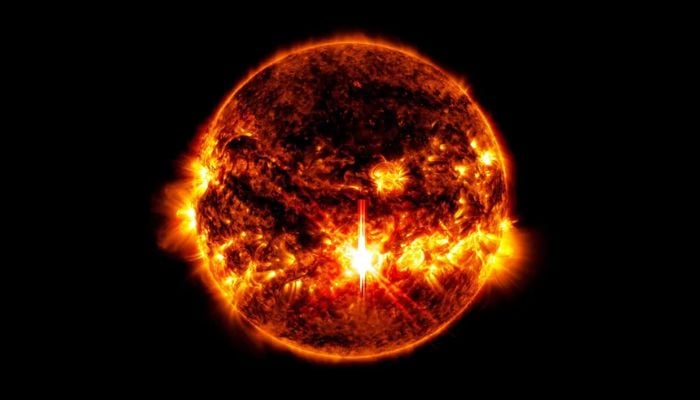
For decades, researchers believed Earth's atmosphere had a ceiling on how hard it could react to the sun's most violent outbursts. A new study says that the ceiling may be an illusion, and the real risk to satellites, power grids, and communications could be higher than assumed.
Published in Nature in 2026, the research is led by Dr Nithin Sivadas of NASA's Goddard Space Flight Center, with Dr Maria Walach of Lancaster University in the UK as co-author.
The team analysed more than one million solar wind measurements collected by NASA spacecraft orbiting close to Earth, where the solar wind directly meets the planet's magnetic field.
Most extreme-event data comes from spacecraft near the Sun-Earth Lagrange point 1, roughly a million miles upstream of Earth. Because solar wind tends to weaken slightly before reaching the planet, comparing those distant readings to Earth-based conditions made it look like the atmosphere's response levelled off at high intensities.
This latest analysis, based on observations made far closer to Earth, revealed that electrical currents in the upper atmosphere continued to rise in step with stronger solar winds, with no indication of any sort of limit.
This study suggests that the worst-case geomagnetic storms could result in even more disruption than was previously expected by modelling. As Walach pointed out, extreme storms are uncommon, and as a result, information about them is limited; only time will tell how things turn out in the event of a "once-in-a-thousand years" event.
While this study does not predict that an unprecedented storm is on its way, it indicates that scientists might need to reconsider their approach to modelling extreme events.


-
 New study sounds alarm as Doomsday Glacier melts more aggressively than thought
 -
 Hubble data hints at planet born after its star died
 -
 NASA to brief public on Artemis III mission progress
 -
 ‘Time capsule beneath the sea’: World’s oldest shipwreck holds secrets from Great Pyramid era
 -
 NASA spots mysterious V-shaped scar stretching 700 light-years across space
 -
 Space Jellyfish over Florida: What is that glowing cloud?
 -
 SpaceX Falcon 9 launches Dragon with 6,300 pounds of supplies to ISS
 -
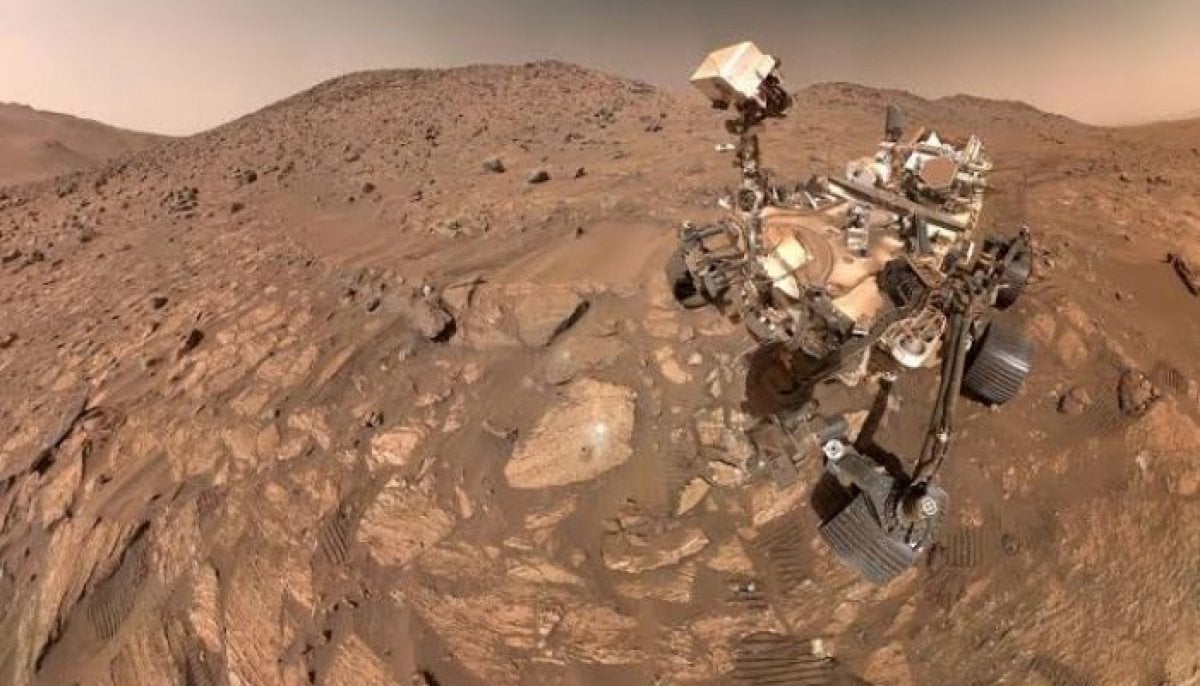 How far can a rover go? NASA’s Perseverance breaks Mars driving record