SpaceX Falcon 9 launches Dragon with 6,300 pounds of supplies to ISS
Autonomous docking with the space-facing port of the ISS Harmony module is scheduled for Thursday
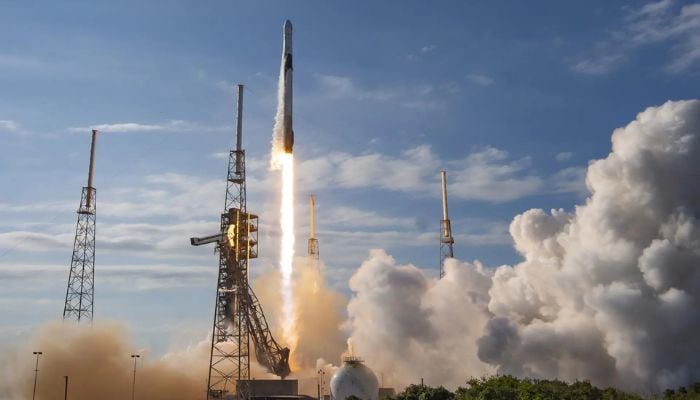
SpaceX launched a Dragon CRS-35 cargo mission for NASA to the International Space Station on Tuesday.
SpaceX’s 35th commercial resupply services mission utilized a Dragon spacecraft on a Falcon 9 rocket. The lift-off was taken from Space Launch Complex 40 at Cape Canaveral Space Force Station.
The targeted cargo is loaded with over 6,3oo pounds of supplies and hardware. As per the recent update, the Falcon 9 lands on Landing Zone 40.
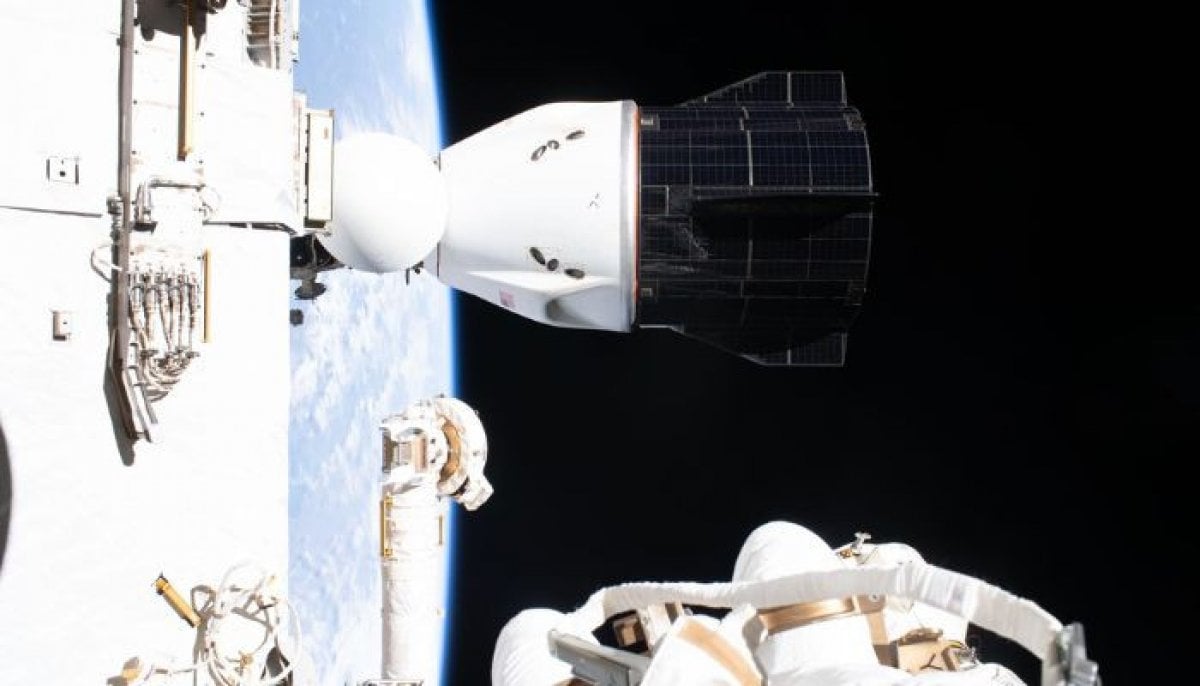
SpaceX also confirmed the separation of Dragon and autonomous docking with the space-facing port of the ISS Harmony module is scheduled for approximately 11:00 a.m. on Thursday, October 15.
The cargo mission will deliver the final pair of International Space Station Roll-Out Solar Arrays (iROSA) to boost power for station operations, research, and its safe, controlled deorbit. These will be installed by astronauts during spacewalks later in the fall.
Dragon is also delivering various scientific experiments, including artificial retinas including hardware to produce artificial retinas in microgravity to help restore vision on Earth, 3D heart tissues, microgravity glass and brain organoids such as samples to uncover potential treatment targets for neurodegenerative diseases such as Alzheimer’s, Parkinson’s, and multiple sclerosis.
CRS-35 is the fourth flight for the Dragon spacecraft supporting this mission and will be the eighth flight of the first stage booster.


-
 How far can a rover go? NASA’s Perseverance breaks Mars driving record
 -
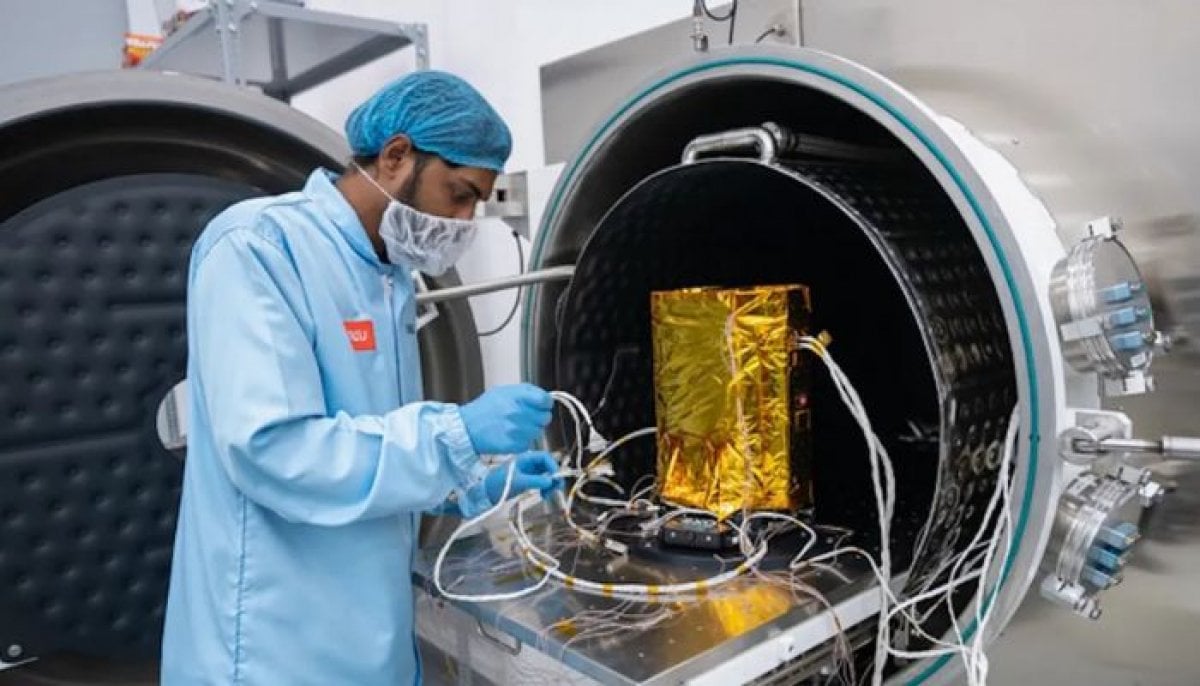 UAE builds asteroid lander designed to crash into its target
 -
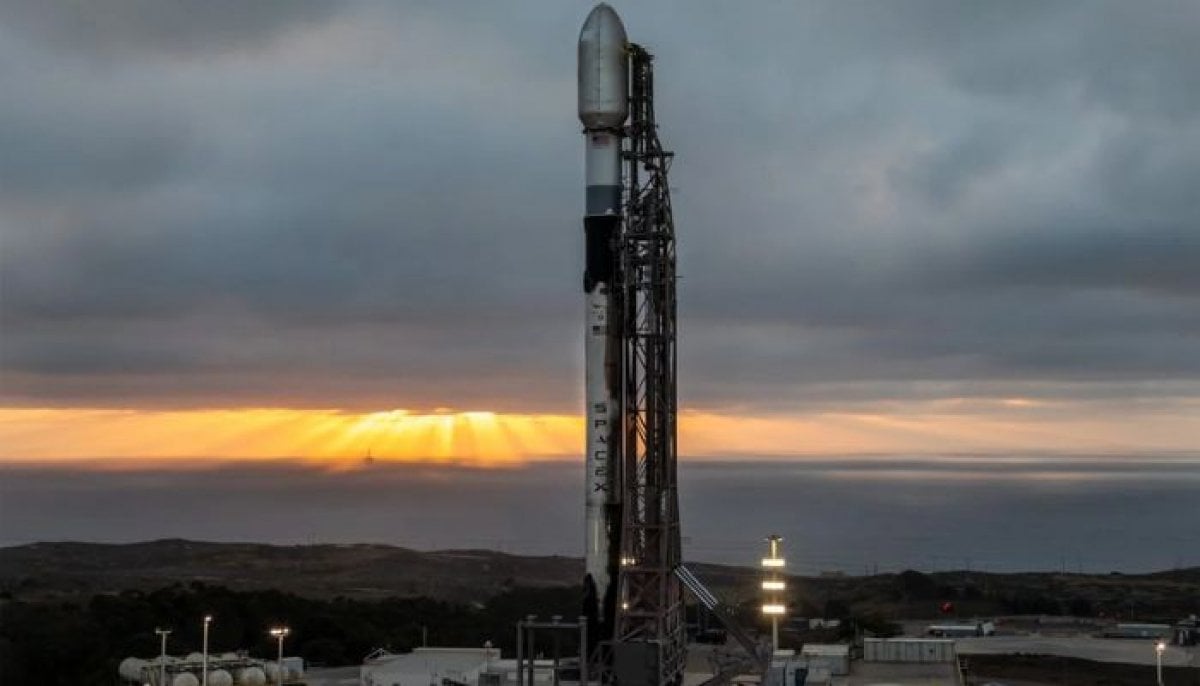 SpaceX Falcon 9 launches 21 military satellites into orbit
 -
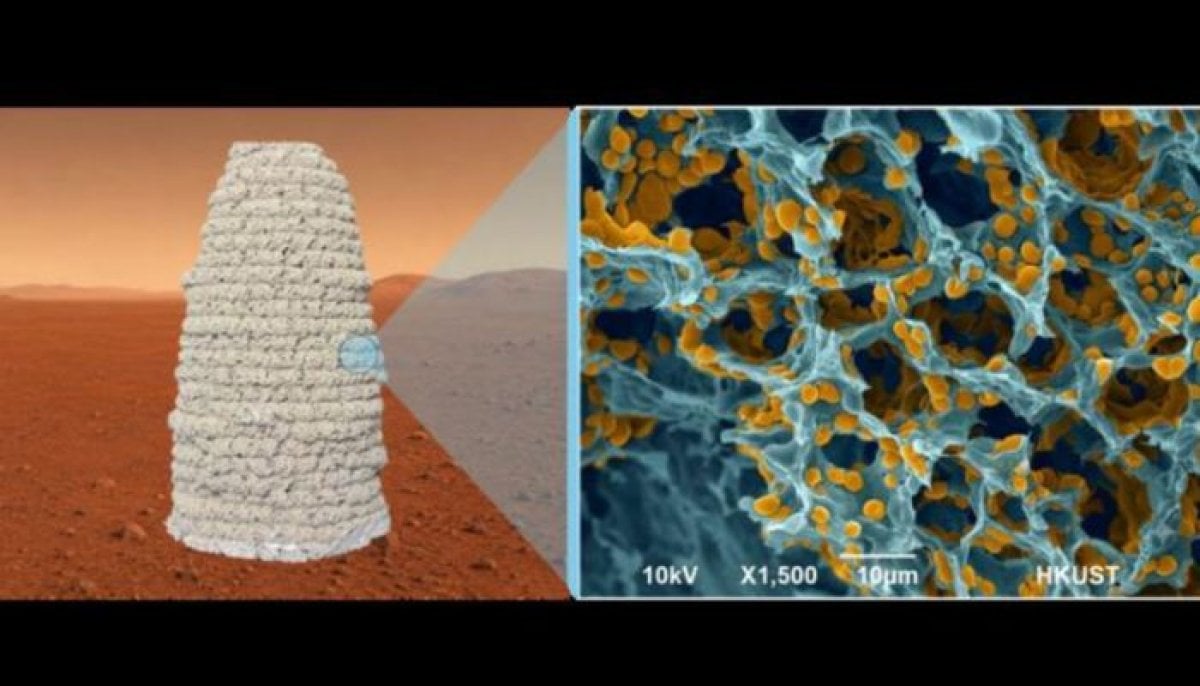 Could a newly engineered microbe help humanity survive on Mars?
 -
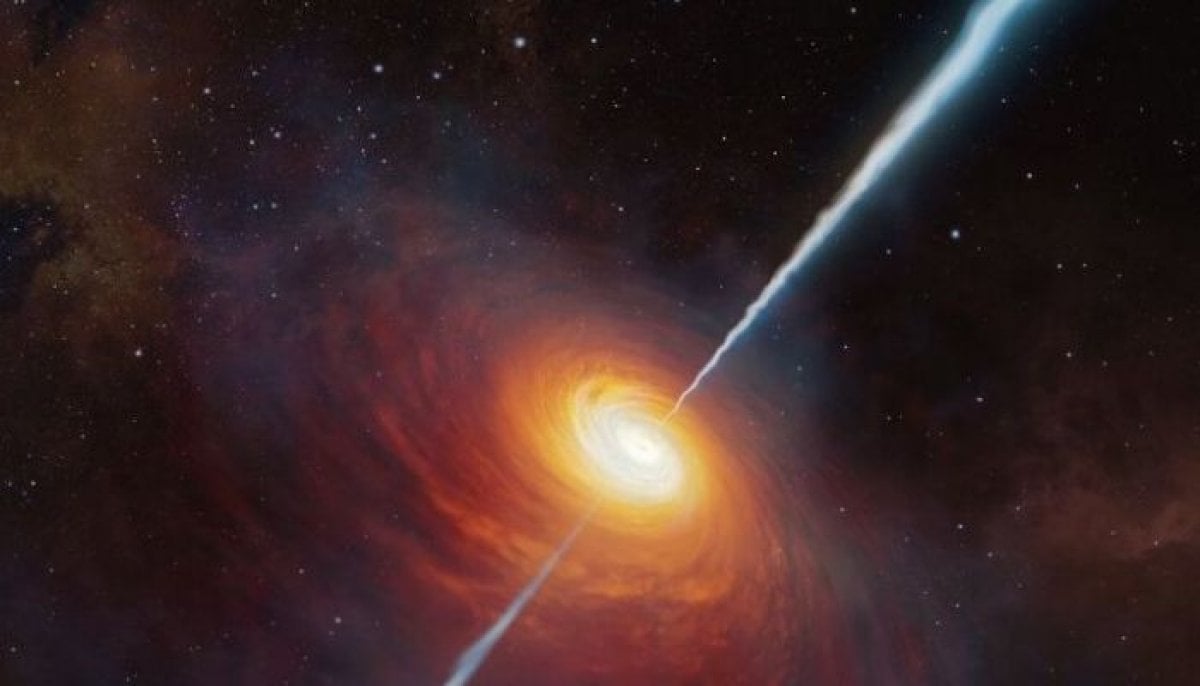 Astronomers find most distant fast radio burst ever recorded
 -
 Draconid meteor shower tonight: Best time and places to see it
 -
 ‘A dream for 50 years’: Why world’s first nuclear clock could change timekeeping
 -
 NASA Curiosity captures strange ‘wind-carved’ Mars landscape in dawn image