
Draconid meteor shower tonight: Best time and places to see it
The Draconid meteor shower reaches its peak activity in the evening under the dark skies preceding the October New Moon
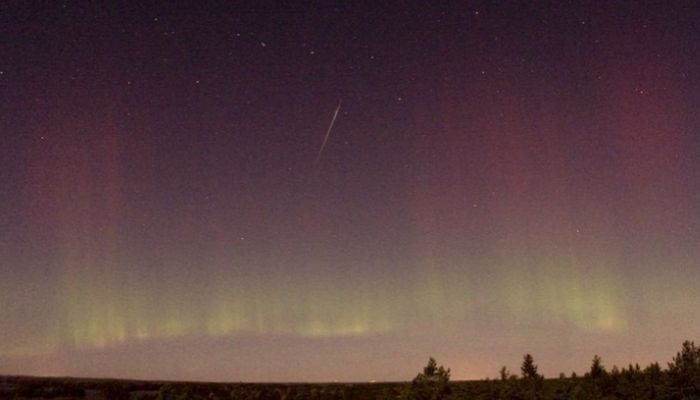
The Draconid meteor shower will light up the sky on Thursday night and it won’t even keep people from staying up past midnight. The shower is expected to peak at 9 p.m but it depends on the viewer's location and it will be visible into the wee hours of Friday morning.
The Draconids are best seen from the Northern Hemisphere but astronomers in the Southern Hemisphere might catch a few shooting stars near the horizon right after sunset.
Unlike most other meteor showers that peak early in the morning, the Draconids are best seen just night after nightfall and because the shower’s point of origin is highest at dusk where the meteors appear to form in the night sky.
The shower gets its prime name because the meteors look like they form arcs from the guiding star Draco the Dragon. Etlanin and Rastaban stars that build up the head of the dragon are in the far northern sky in October.
How to watch the meteor shower
The best way to watch the meteor shower is to sit in a folding chair or lie on your back and gaze up at the sky with no special equipment needed. If you want the best viewing conditions it helps to stay as far away as possible from artificial light.
According to the American Meteor Society, there are more meteor showers to anticipate eagerly as the end of the year approaches.


-
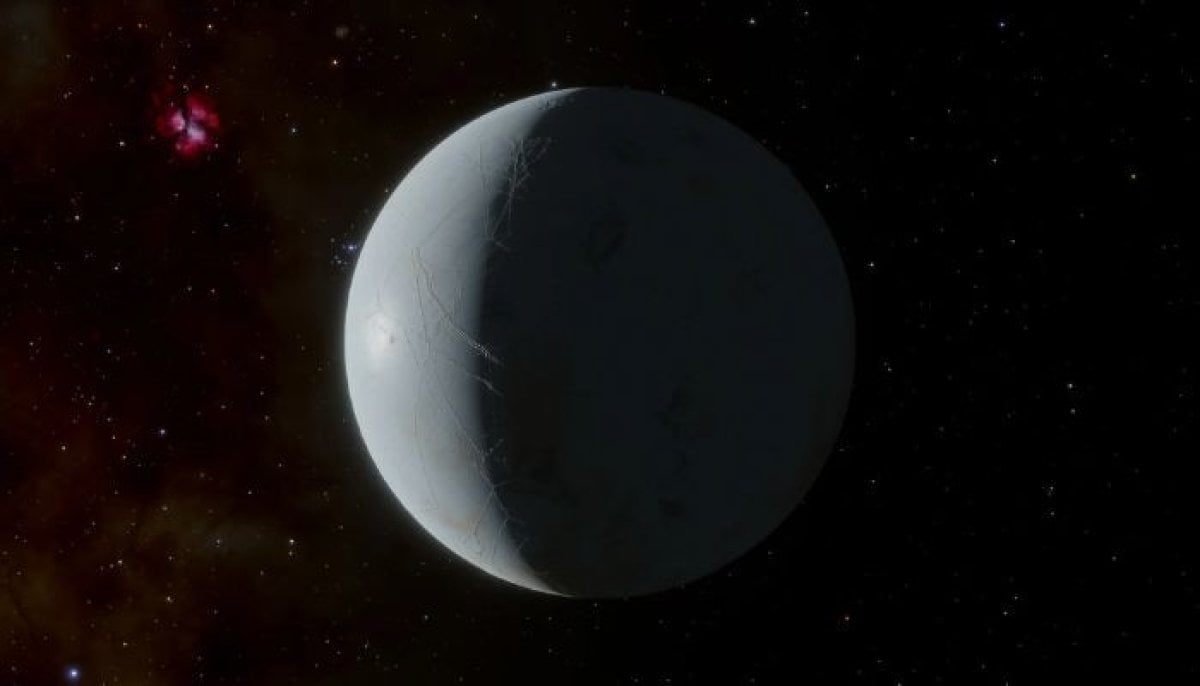 Earth 2.0? astronomers spot mysterious signs beyond Neptune
-
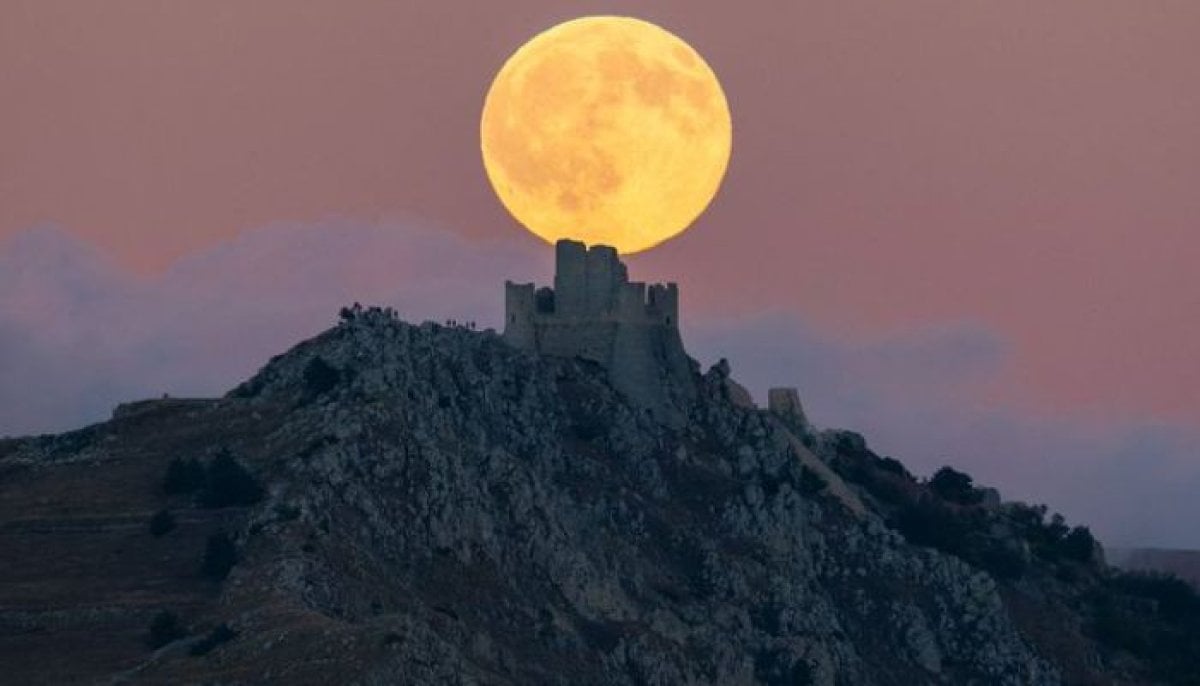 Beaver Moon 2026: When and where to see a full supermoon rise this week
-
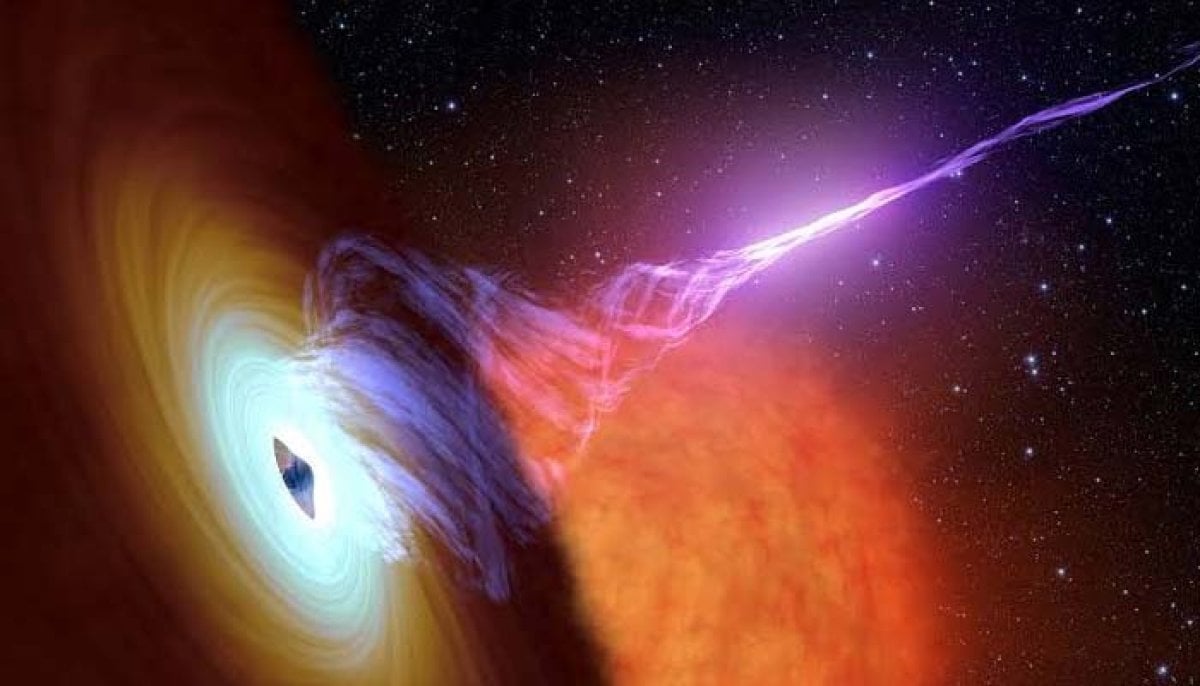 Physicist discovers new solution to Einstein's equations for 'Black Saturn'
-
 Thailand makes prepares to stop exporting rare earth mining chemicals to Myanmar
-
 Inside COP31 climate deal: COP31 President speaks out
-
 NASA reveals mysterious 'ghost forest' on Mars: Everything to know about it
-
 COP31 talks reach deadlock amid growing fossil fuel dispute
-
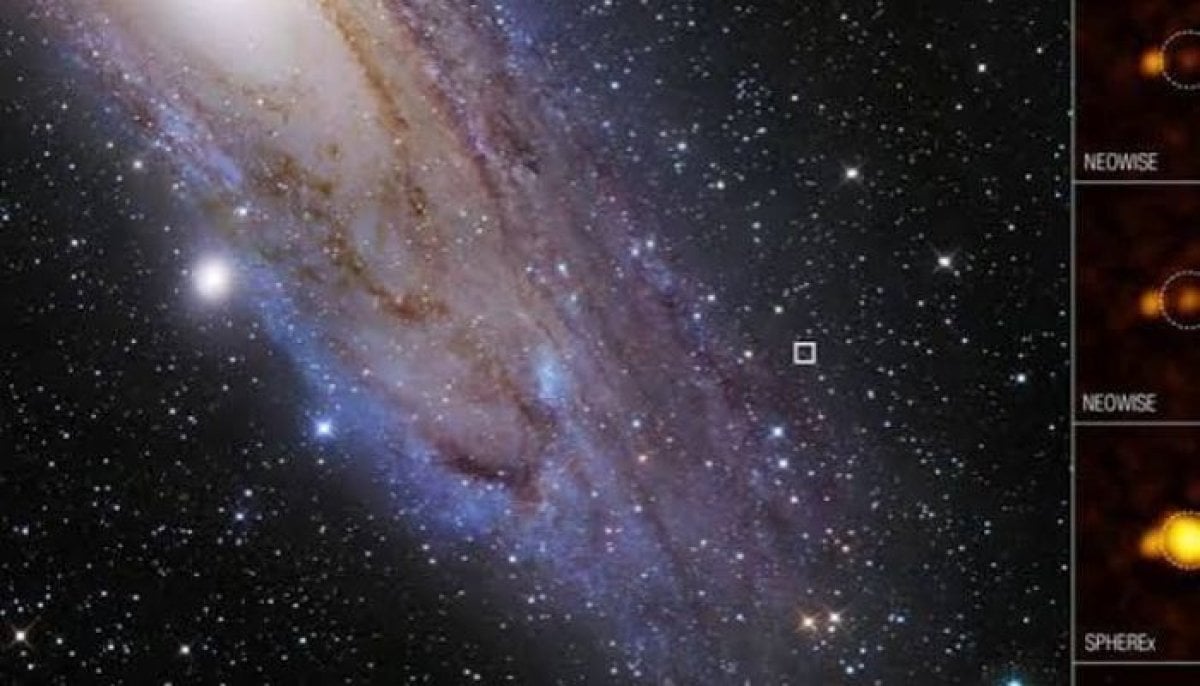 Astronomers observe massive puffy star merging with smaller companion
-
 NASA confirms Voyager 1 is now a ‘light-day’ away from Earth
-
Google partners with Bezos’ Blue Origin to launch AI computing satellites in 2029
-
‘Craziest is definitely still yet to come’: HEO unveils advanced space intelligence platform in major new launch
-
Anthropic vs SpaceX: How two potential IPOs compare


