Hubble data hints at planet born after its star died
Warwick astronomers say Hubble data from 1999 hints at a gas giant forming from a white dwarf's cast-off material
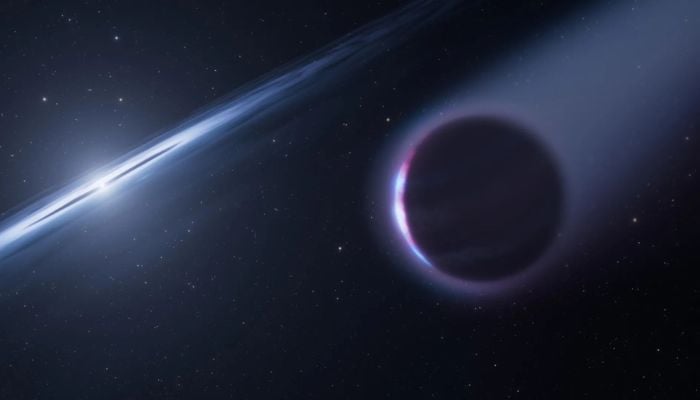
For 27 years, roughly 100 chemical fingerprints sat unexplained in Hubble's data. Now astronomers at the University of Warwick think they point to something nobody has confirmed before: a planet born after its star died.
Most planets, including the ones in our solar system, are first-generation. They form from leftover material when a star is born. A second-generation planet forms around the stellar remnant from material the star threw off as it died.
Theory predicted such worlds more than 15 years ago, but none had been spotted.
How Hubble's 1999 data cracked the case?
HS 0209+0832 is the star under discussion; it is a white dwarf located at around 270 light-years away from the Earth. It represents a compact remnant of a low-mass star which has already used up all its fuel.
Back in 1999, while studying it with the help of the Hubble Space Telescope, astronomers knew that there were some unknown elements in it but failed to name them.
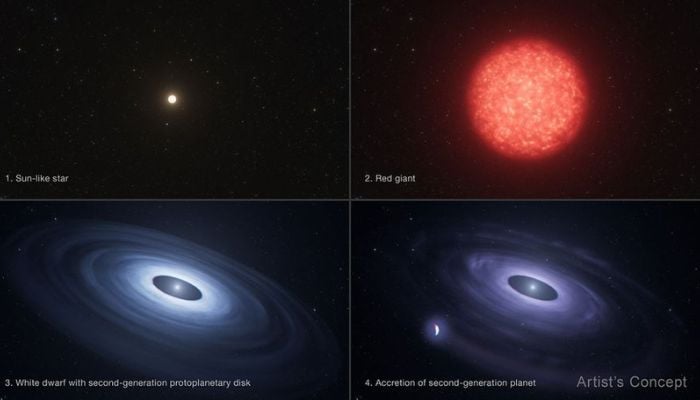
However, thanks to the Warwick team's study, we now know that the mystery elements are niobium. The amount of niobium detected by Hubble is indicative of the presence of a planet formed from the remnants thrown out by a dying star.
In addition, NASA's FUSE satellite had revealed the high levels of niobium signature as well.
The best hypothesis proposed by the researchers is that the ejection of material resulted in the formation of a gas giant planet. The white dwarf is still young and hot, radiating intense light that, combined with the planet's proximity, strips away its atmosphere.
This substance falls on the star, giving the star its peculiar chemical composition.
The second clue comes from the observation of TESS, which revealed changes in the brightness of the star every 4.4 days, a period much longer than the star's rotation period.
The planet remains under suspicion but not yet identified.
Williams is optimistic about its survival. "If the second-generation planet is there, I think it is likely to survive," he said. If it holds up, many more white dwarfs may be hiding planets than astronomers have assumed.


-
 NASA to brief public on Artemis III mission progress
 -
 ‘Time capsule beneath the sea’: World’s oldest shipwreck holds secrets from Great Pyramid era
 -
 NASA spots mysterious V-shaped scar stretching 700 light-years across space
 -
 Space Jellyfish over Florida: What is that glowing cloud?
 -
 SpaceX Falcon 9 launches Dragon with 6,300 pounds of supplies to ISS
 -
 How far can a rover go? NASA’s Perseverance breaks Mars driving record
 -
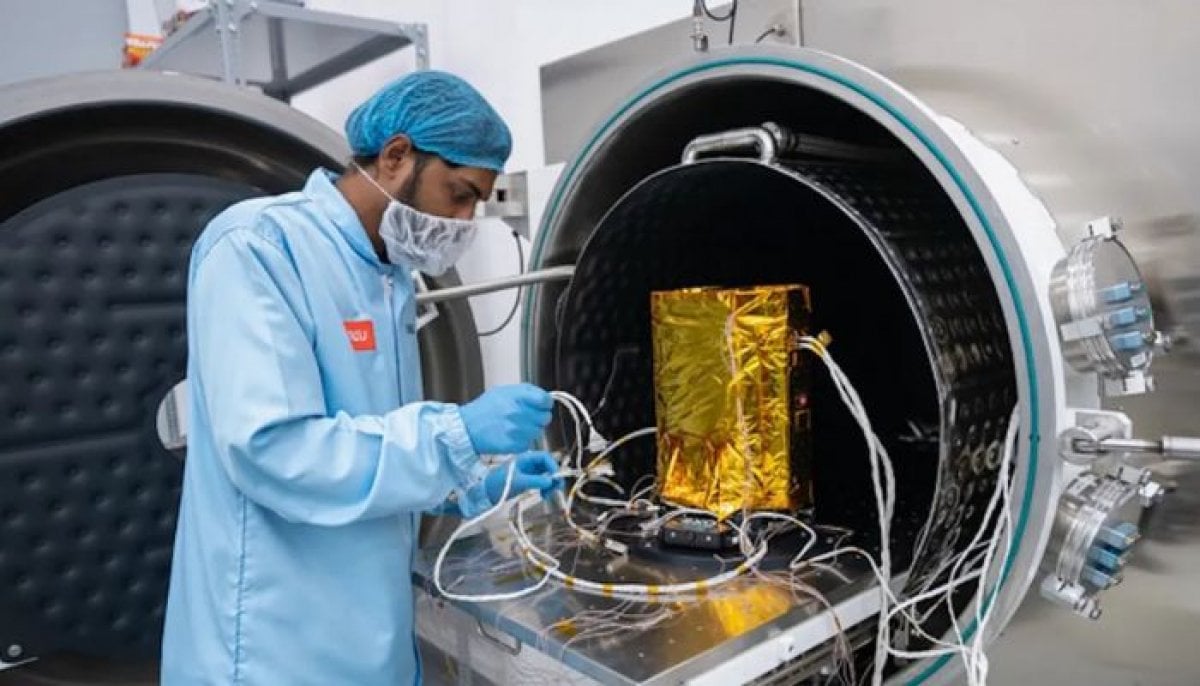 UAE builds asteroid lander designed to crash into its target
 -
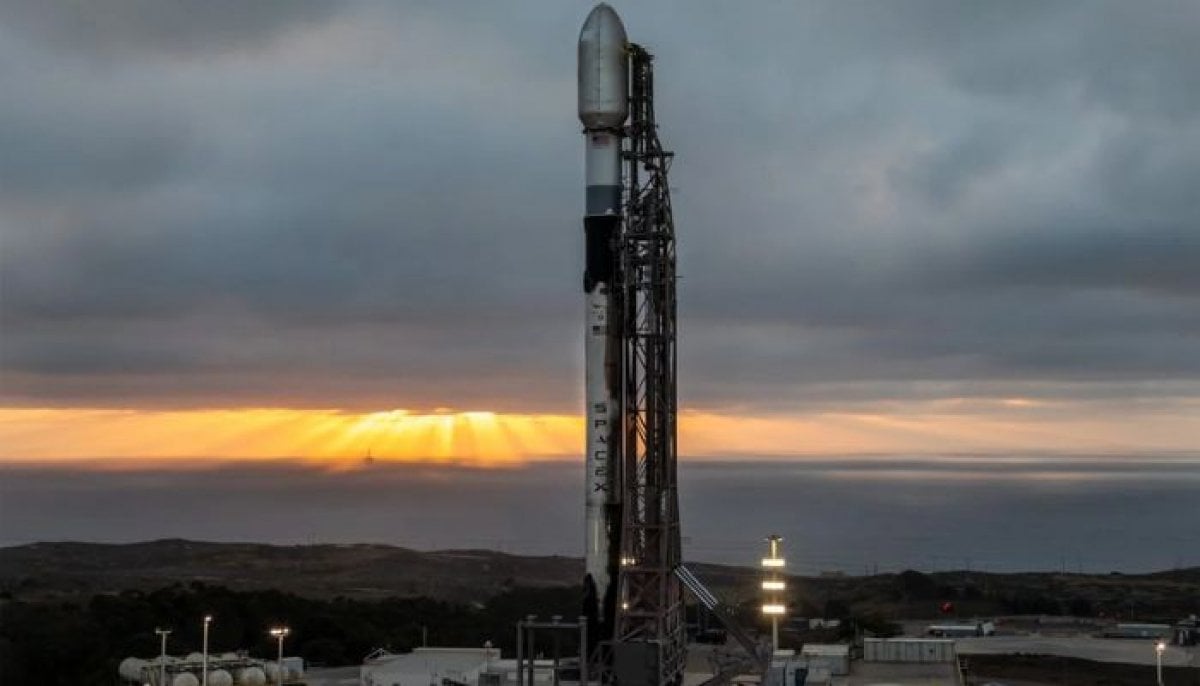 SpaceX Falcon 9 launches 21 military satellites into orbit