Could future moon landings cost humanity Earth's greatest secret? Scientists think so
Future Moon landings could threaten evidence of Earth's origins
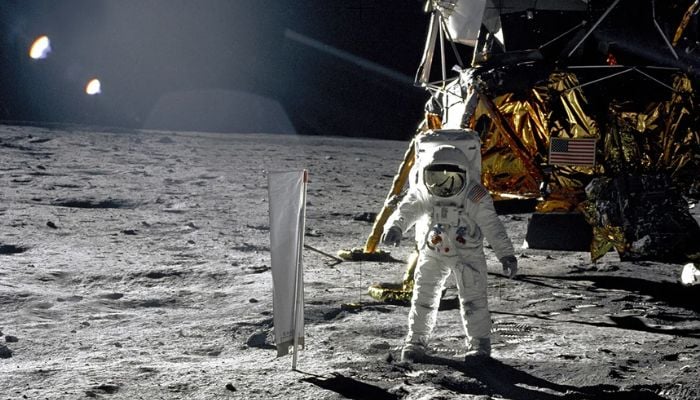
In the 21st century, lunar exploration has entered a new era as global superpowers, such as China and the US are vying to dominate the moon in a competitive space race.
But, the scientists believe that every future landing on the moon could leave behind the scars, jeopardising the Earth’s greatest mystery.
A recent study published in the Journal of Geophysical Research: Planets highlights that human lunar exploration may accidentally compromise the Moon’s value as a scientific archive.
The Moon lacks an active atmosphere and geological activity, its permanently shadowed polar craters act as "cold traps" that may preserve ancient prebiotic organic molecules.
According to researchers, methane released in spacecraft may spread across the lunar surface, leading to contamination of the regions that hold the chemical clues about how life first started on Earth.
As observed through the computer simulation using the European Space Agency’s Argonaut mission, the released methane molecules move in ballistic trajectories due to the Moon’s lack of an atmosphere. They can travel from the South Pole to the North Pole in less than two lunar days.
Within 7 lunar days, 50 percent of released methane could be trapped in polar regions, damaging the objects and materials that scientists are looking to study during the upcoming features.
“I want to bring this discussion to mission teams, because, at the end of the day, it's not theoretical -- it's a reality that we're going to go there," "We will miss an opportunity if we don't have instruments on board to validate those models,” Silvio Sinibaldi, the planetary protection officer at the European Space Agency and senior author of the study.
Researchers suggest that future landings in colder sites could be helpful in keeping the molecules localized. Therefore, the space experts are calling for mission teams to study these contamination models to tackle the issue.
“We have laws regulating contamination of Earth environments like Antarctica and national parks. I think the moon is an environment as valuable as those,” she added.


-
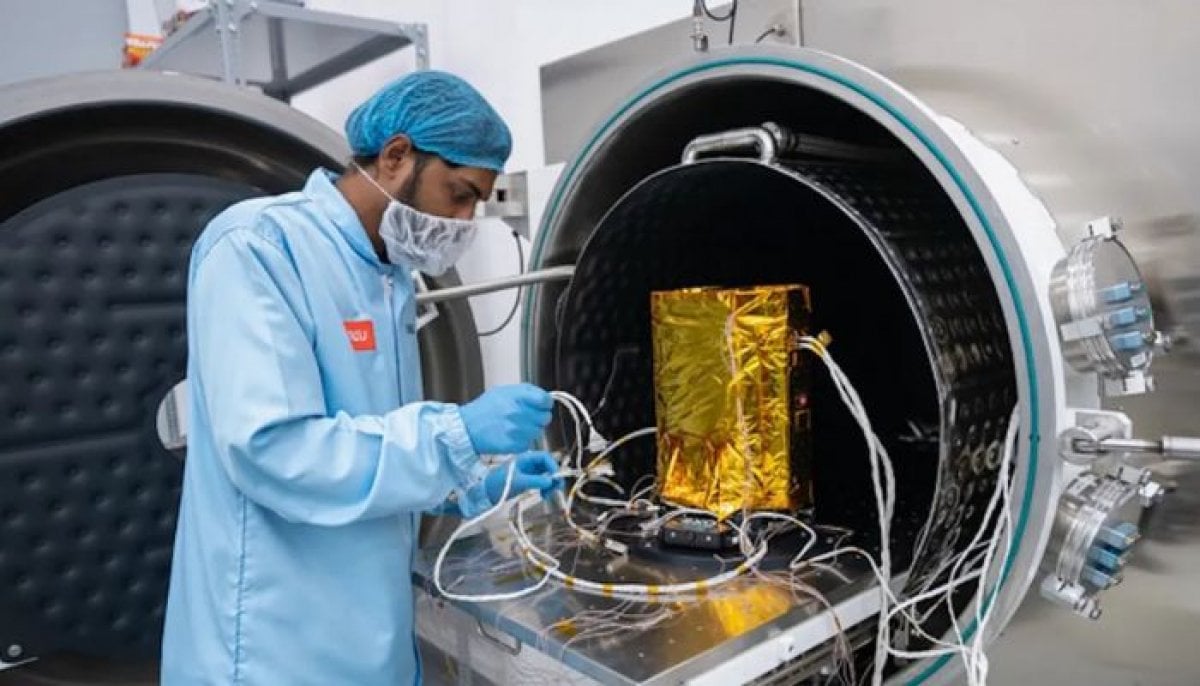 UAE builds asteroid lander designed to crash into its target
 -
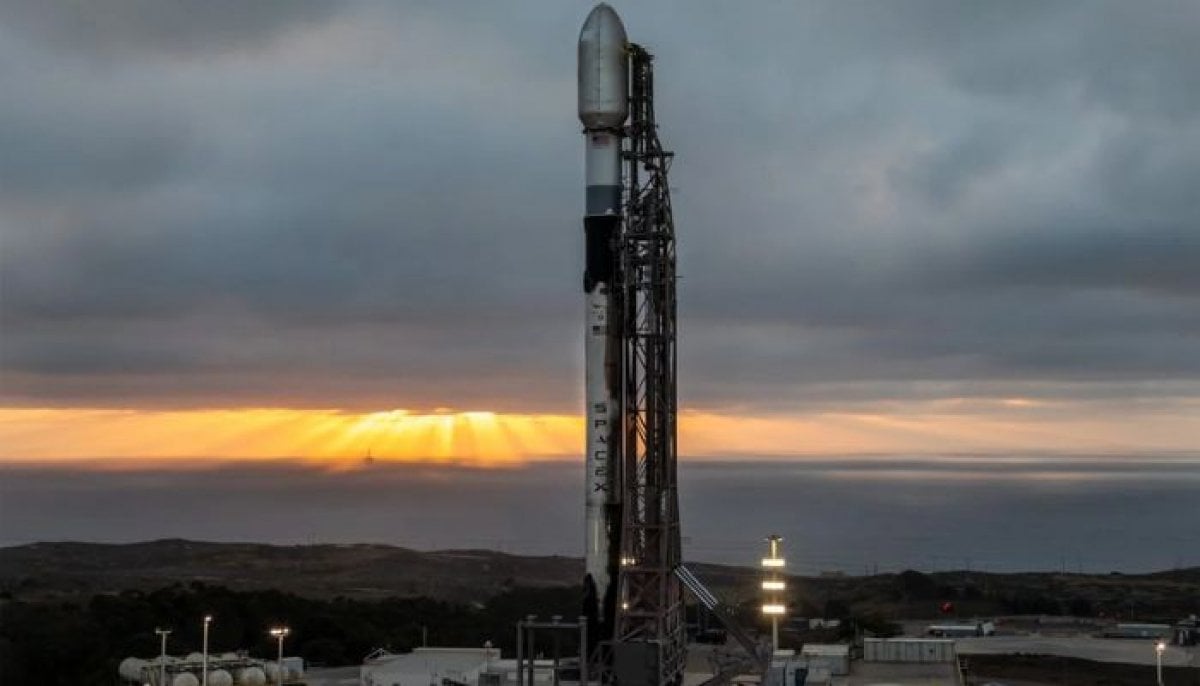 SpaceX Falcon 9 launches 21 military satellites into orbit
 -
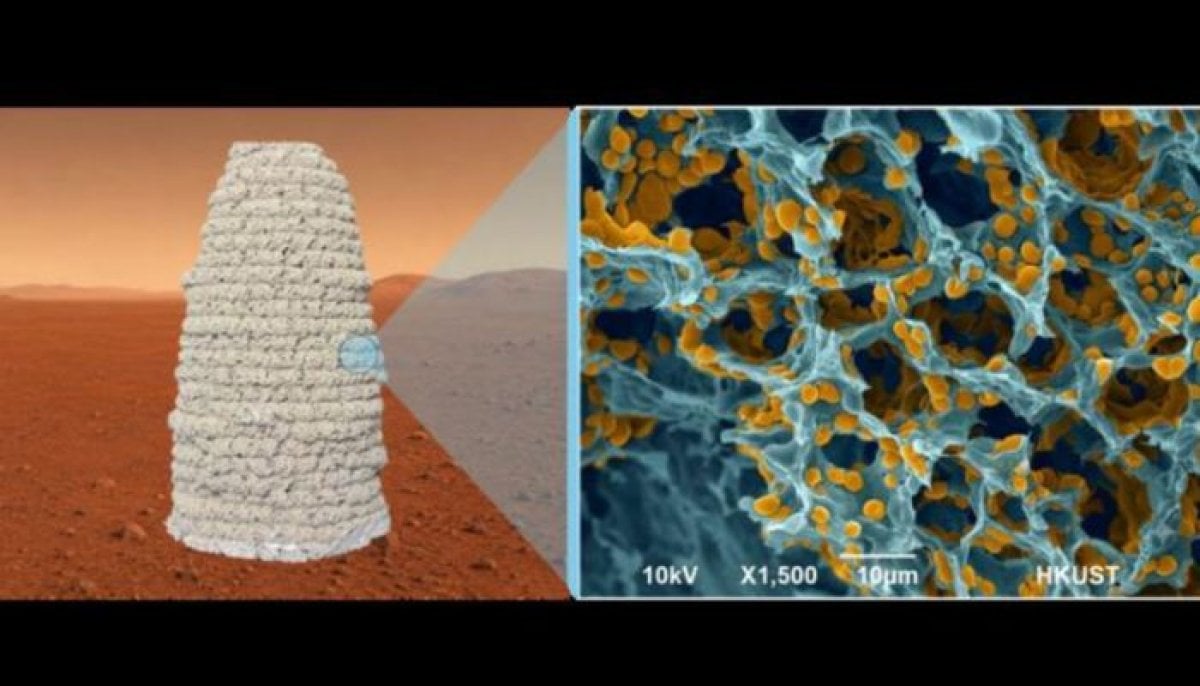 Could a newly engineered microbe help humanity survive on Mars?
 -
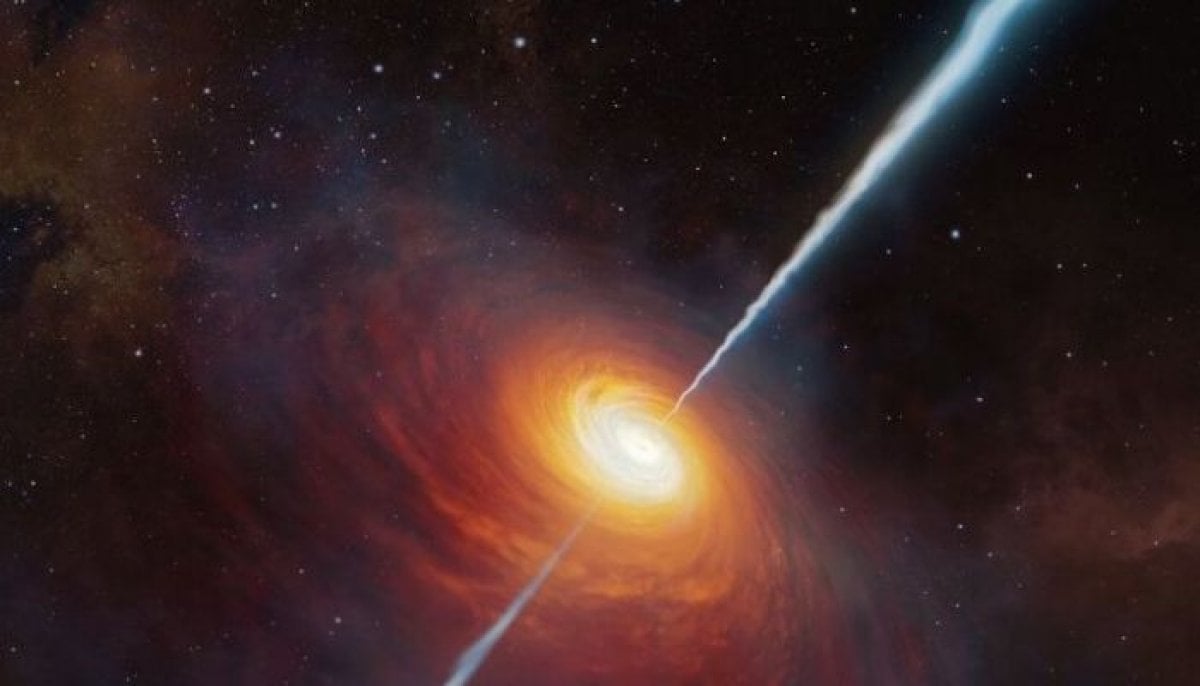 Astronomers find most distant fast radio burst ever recorded
 -
 Draconid meteor shower tonight: Best time and places to see it
 -
 ‘A dream for 50 years’: Why world’s first nuclear clock could change timekeeping
 -
 NASA Curiosity captures strange ‘wind-carved’ Mars landscape in dawn image
 -
 NASA's Crew-12 Dragon begins return trip from space station