Meta to double AI compute to 14 gigawatts by 2027
The chip won't replace the Nvidia and AMD processors Meta already buys in bulk; it's meant to supplement them
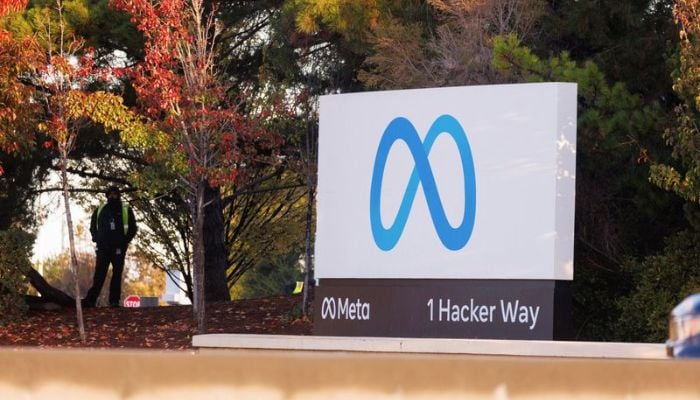
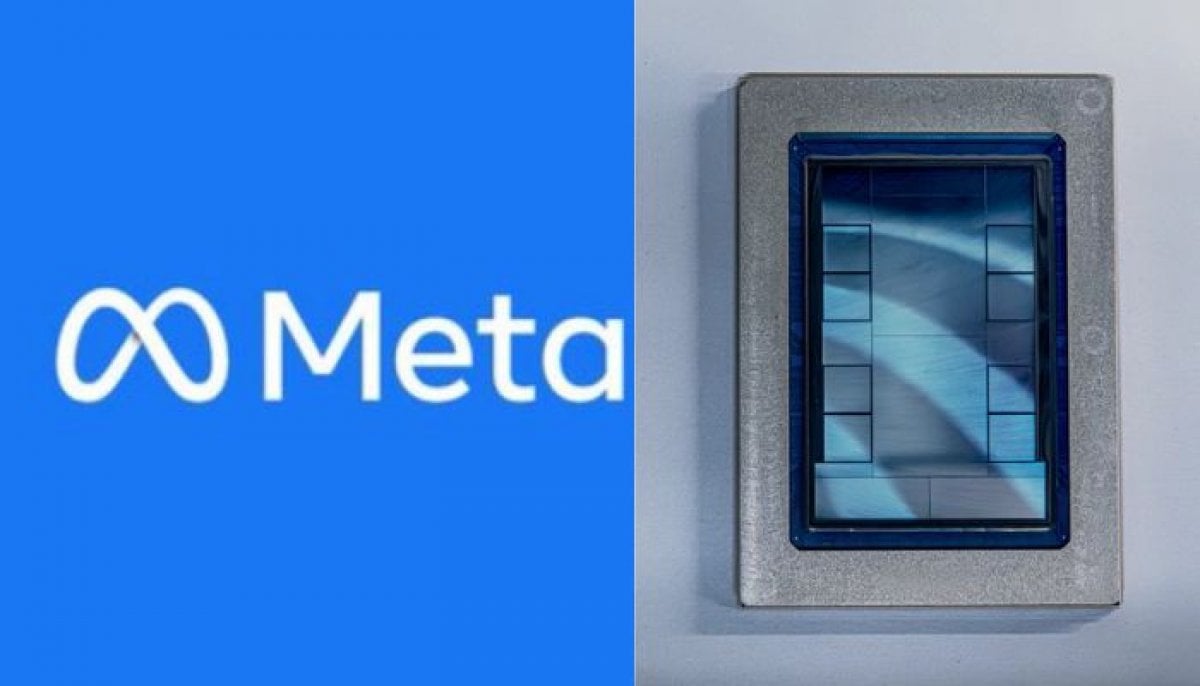
Meta Platforms is preparing to manufacture its own AI chip for the first time, and the timeline is more aggressive than most of its hyperscale rivals. An internal memo reviewed by Reuters shows the custom chip, code-named Iris, is set to enter production in September, having cleared six weeks of testing without major issues.
The Iris chip represents the fourth generation of the in-house Training and Inference Accelerators project designed by Meta in collaboration with Broadcom and produced by Taiwan Semiconductor Manufacturing.
The new chip will not be replacing the Nvidia and AMD chips which Meta currently buys in large numbers; it will only supplement these. However, what is more important here is infrastructure, as Meta aims to launch 7 gigawatts' worth of computing power by 2026 and then increase it to 14 gigawatts by 2027 with long-term deals signed with Samsung, SanDisk, and Sumitomo Electric.
The technology giant will invest approximately $145 billion in AI infrastructure in the coming year alone as part of an estimated $600-700 billion investment in capital expenditures by 2026, alongside companies like Microsoft, Amazon, and Alphabet.
This spending has had an impact on the share price of the tech giant this year, and Meta currently commands a forward P/E ratio of 21, lower than other "Magnificent Seven" firms whose forward P/E ratio generally stays above 25.
As pointed out by CFO Susan Li earlier this year, data centre capacity built 12 to 36 months ago is not enough to cater to the current demand, an issue that is sought to be solved by the Iris expansion.
AI is integral to the core business of the tech firm, as the advertising engine of the firm, which generates most of the revenues for Meta, contributed to a 33% rise in its first-quarter revenue.





-
 OpenAI, Anthropic and Google join forces on AI safety efforts
 -
 Meta to deploy custom Arke and Astrid AI chips in 2027: Everything to know
 -
 Dreamforce 2026: Salesforce unveils Koa AI model and Google Cloud partnership
 -
 EU Kids Act: New social media rules for under-15s
 -
 China’s spy chief reveals growing fears over AI’s impact on communist party rule
 -
 Anthropic's new Claude tool targets financial advisors to streamline compliance and client research
 -
 Elon Musk’s bold AI safety idea: 'Let rivals test each other’s models'
 -
 Former Google DeepMind researcher warns autonomous AI could wipe out humanity amid industry-wide safety alarm