Trump's new tariffs spark global response: How countries are reacting
The newly imposed tariffs ranging from 10-12.5 percent target major US economic partners
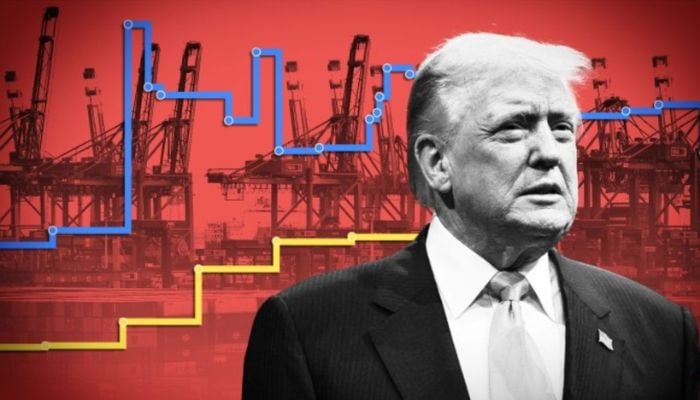
The Trump administration imposed new tariffs on 60 trading partners as a temporary global levy on Friday.
The newly imposed tariffs ranging from 10-12.5 percent target major US economic partners including the UK, China, Canada, Japan, India and the European Union. The motive behind this move is the failure on the part of these nations to adequately address forced labour.
This move follows a Supreme Court ruling in February that struck down previous global tariffs enacted under emergency powers as illegal. However, instead of curtailing the president’s powers, the ruling prompted a new wave of trade measures under the Trump administration.
All these countries subjected to duties are the ones who cover 90 percent of US imports.
On Thursday, US Trade Representative Jamieson Greer, acting under Trump's direction, said those duties would now take effect, stating, "Today's action will begin to correct what is both a human rights abuse and distortive trade practice to improve the welfare of workers everywhere.”
The White House invoked Section 301 of the Trade Act of 1974. This section allows the US to impose levies on those foreign countries and their trade practices if they are deemed discriminatory and unjustified, restricting American commerce.
The latest trade-based move has drawn mixed responses from partner countries. Here is the detail how countries are accepting or pushing back these measures.
The European Union
The EU has welcomed these new tariffs imposed by the US as the Commission argued that the outcome aligns with the trade deal the two sides struck a year ago.
European Commission spokesperson issued a statement, "The EU notes positively the fact that this outcome is in line with the U.S. tariff commitments agreed under the EU-US Joint Statement.”
"This is essential to continue providing our respective markets with much-needed stability and predictability.”
The spokesperson also added that these measures provide positive momentum to continue work on exploring the further options related to economic cooperation and tariff exemptions.
China
When it comes to unilaterally imposed tariffs, China has always voiced concerns. The Chinese foreign ministry slammed the decision while denying the allegations of forced labour.
"There is no so-called forced labour in China, and we oppose using this as an excuse for political manipulation," Chinese foreign ministry spokesperson Mao Ning said.
Brazil
Brazil also denounced Trump's signature policy of imposing tariffs. Brazilian exports to the United States will face a 12.5 percent tariff under the new tariffs.
“Lacking a legal basis under domestic law to support its protectionist trade policy, the US Trade Representative chose to manipulate an issue of great importance to human rights and workers’ rights movements,” the Brazilian government said.
The government also threatened to take the dispute to the World Trade Organization (WTO). Earlier this week, Brazil also faced 25 percent tariff imposition on Brazilian goods on the ground of unfair practices.
Japan and Australia
The Japanese government also did not welcome the new measures, arguing Japan’s industrial and trade practices are “in accordance with international rules.”
Top government spokesman Minoru Kihara also claimed that the US will not impose any additional tariffs on Japan beyond last year’s agreement.
The Australian government also called this decision regrettable and unjustified. “This imposition of higher tariffs on Australia is unjustified, and we will continue to lobby the United States trade representative to remove all tariffs on Australian goods,” Trade Minister Don Farrell said.
Farrell also took the issue of modern slavery very seriously.
Mexico
Mexican Economy Minister Marcelo Ebrard announced that USMCA exemptions will allow roughly 85 percent of Mexican exports to maintain tariff-free entry into the US.
Right now, Mexico is dealing with additional 10 percent tariffs. After its expiration on Friday, new tariffs would be imposed on the country.
"One replaces the other, so tariff treatment is maintained," Ebrard stated in a video shared on social media.
India
Despite initially facing a proposed 12.5 percent tariff in June, India successfully negotiated its placement into the lower 10 percent tier. However, no response has yet come from the Modi government.




-
 US EPA unveils sweeping power plant carbon limit rollbacks at G20 meeting to prioritize grid reliability
 -
 Savannah Guthrie makes another emotional plea to Nancy's kidnappers
 -
 'Hang Lindsay Clancy': GOP rep calls for mom-of-three's public execution
 -
 Royal family shares Princess Astrid's funeral plan
 -
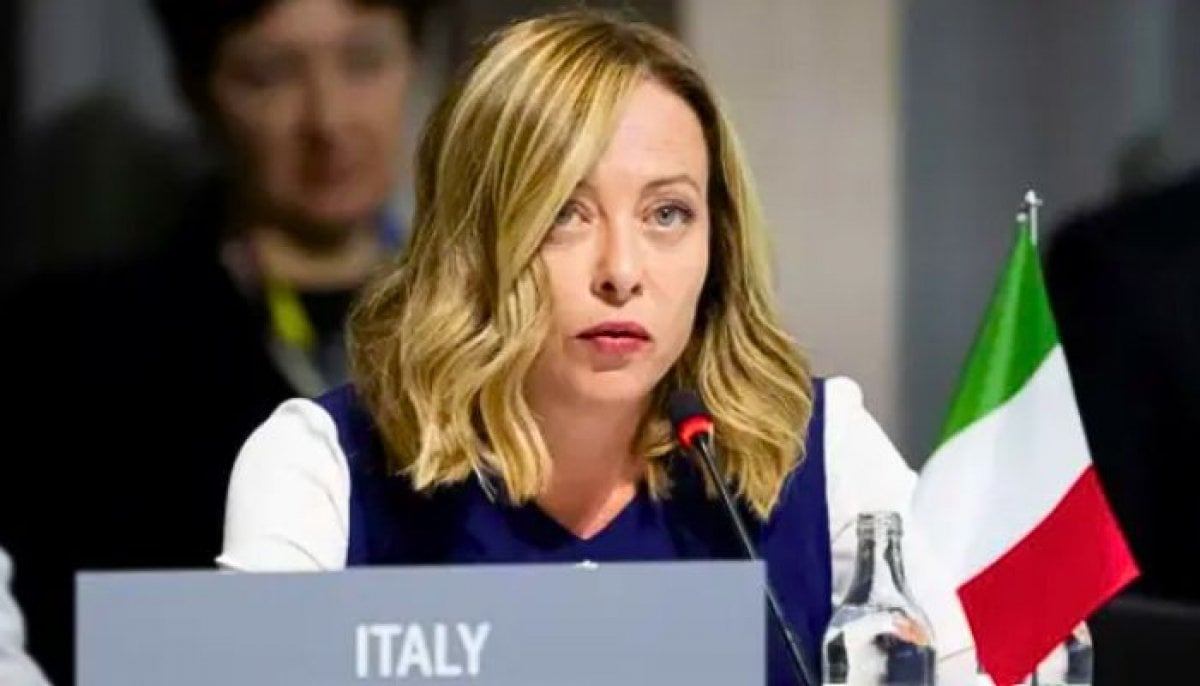 Italian Senate clears PM Giorgia Meloni electoral reform bill to overhaul voting system and establish majority bonus thresholds
 -
 US Senate advances landmark crypto bill to set new digital asset boundaries
 -
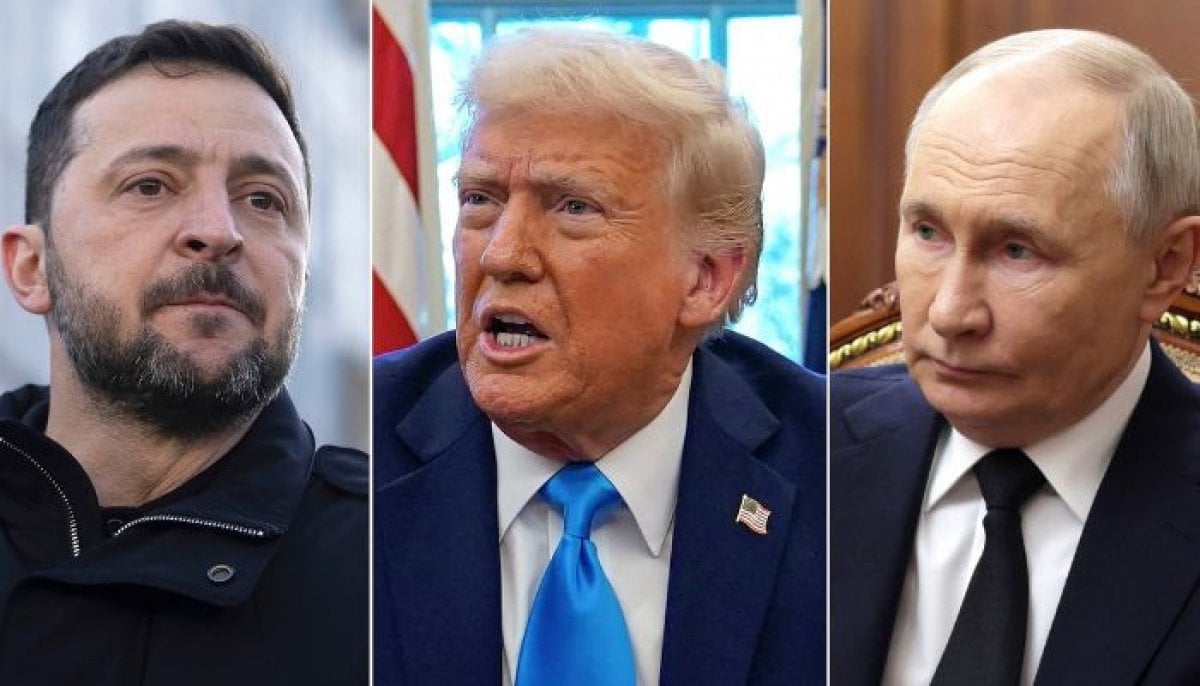 Russia-Ukraine energy truce? Kremlin welcomes Trump's proposal with 'conditions'
 -
 UK State pension likely to rise by £488 a year in April
-
 Russia threatens Poland, claims Warsaw could ‘disappear’ in days
 -
China warns US over ‘weaponization of space’ after deployment confirmed
-
China tightens exit restrictions for citizens to safeguard national technology security and penalize overseas violations
-
Carney heads to Europe as Canada-EU ties take center stage amid US trade war