China targets 50% growth in wind and solar power generation by 2030
The five-year plan aims to accelerate renewable energy expansion as China increases clean power output, strengthens grid capacity and advances its long-term climate goals
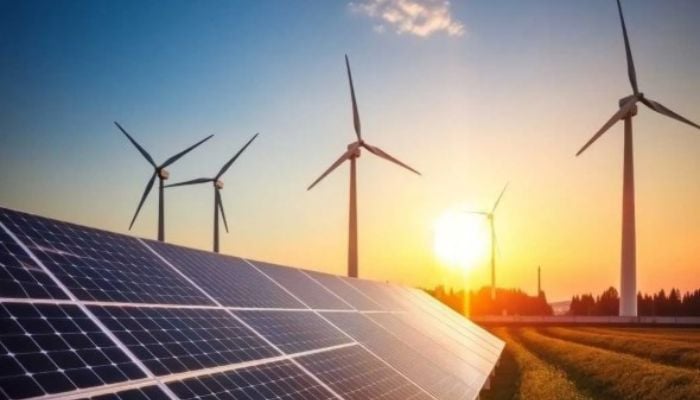
China is targeting more than 50% growth in wind and solar power generation by 2030 as the world's largest renewable energy market accelerates its clean energy expansion, according to a new government plan.
The productive hub released 15th official 5-Year-plan plan (2026–2030) for Renewable Energy Development, establishing its first-ever binding target to increase renewable power generation.
Under the new plan, total installed wind and solar capacity is projected to surpass 2.8 TW (2,800 GW) by 2030, representing over 50% of the country’s total installed power capacity.
It comes as the new targets are formally binding, shifting Beijing's strategy toward high-quality integration and fossil-fuel substitution rather than unconstrained capacity expansion alone.
Wind and solar power generation growth plan for next 5 years:
By 2030, wind and solar, backed up by storage, should be able to supply 8% of their installed capacity during periods of peak demand, and cover 20% of electricity use during demand spikes.
As per the next 5-Year-Plan, China also wants to add over 300 gigawatts (GW) of renewable peaking capacity, or renewables that can be dispatched when demand spikes.
The plan targets 150 million tons of coal equivalent (tce) of wind and solar use outside the power sector. That includes renewables-powered heating and cooling, as well as the production of green hydrogen, which Beijing has said will reach 2 million metric tons per year by 2030.
The plan targets 570 gigawatts (GW) of hydropower capacity by 2030, up from a 450 GW target for 2025. That includes 160 GW of pumped storage hydro capacity by 2030, up from 66 GW in 2025. The plan also aims to increase the flexibility of China’s hydropower plants.
It calls for building deep-sea offshore wind bases, suggesting Beijing may in future apply the centralized, large-scale development model used for its desert wind and solar megabases to offshore wind projects as well. It also calls for integrating offshore wind with underwater data centers.
Beijing plans to pilot renewables megabases that transmit 100% green electricity.
Wind and solar now make up only about 20% of the power sent through China's ultra-high voltage transmission network, according to Global Energy Monitor. The network moves power from megabases in the north and northwest to cities and factories in the east.


-
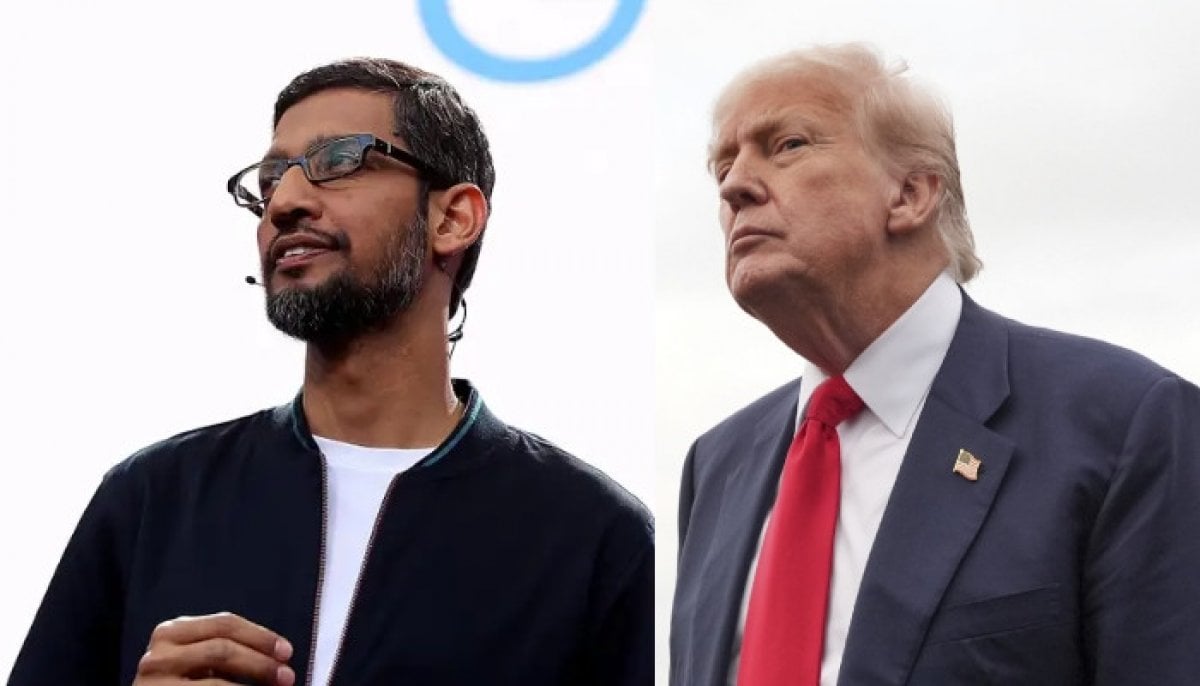 Trump says Google rejected his request to rename Atlantic Ocean after himself or America
 -
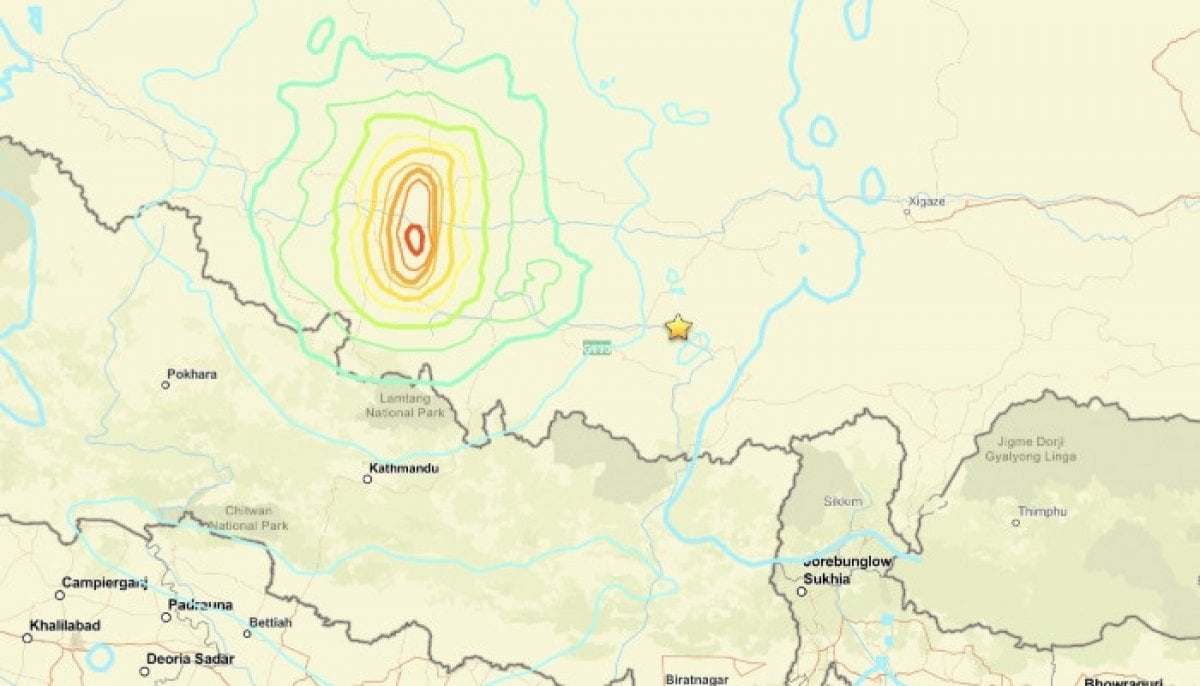 Magnitude 7.0 earthquake in Tibet kills 16 and destroys hundreds of homes
 -
 Ron Duguay, former New York Rangers forward, dies after cancer battle
 -
 Kathy Hochul gets campaign boost from NYC Mayor Zohran Mamdani ahead of midterms
 -
 Abdul El-Sayed and Mike Rogers clash over Trump, patriotism in Michigan Senate debate
 -
 Russia attacks Kyiv hours after peace talks announcement, killing two and injuring 22
 -
 Macron vows to ban non-union protests, blames ultra-left groups as unrest grips France
 -
 Trump's massive DC arch could begin construction days after US midterm elections