Google adds 'selfie video' sign-in to block deepfakes and account takeovers
New sign-in feature uses selfie videos, liveness checks and deepfake detection to help prevent fraud and protect users from account takeovers
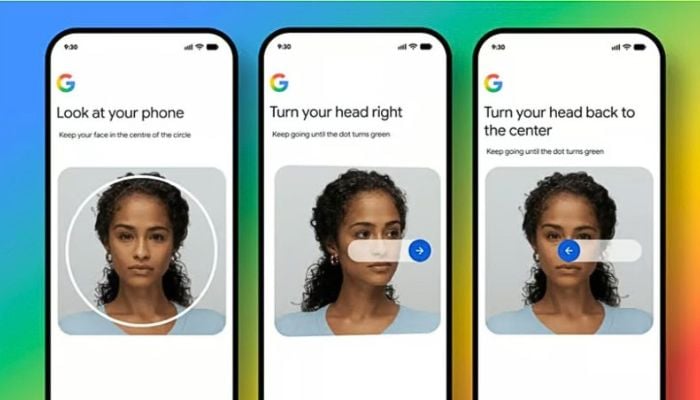
Google has introduced a new "selfie video" sign-in feature that allows eligible users to log in to or recover their Google accounts using a short video of themselves, as the company steps up efforts to combat deepfake-enabled fraud and account takeovers.
Newly launched "selfie video" verification feature on Thursday, July 23, is designed to serve as an alternate sign-in and account recovery option when standard login methods are unavailable.
How it works:
Google will allow users to set up verification by recording a brief video of themselves. The platform will then save the video recording and use it to authenticate the live videos that users upload during their sign-in attempts later on.
The requirement for real-time, dynamic head movements and liveness detection is built to prevent spoofing with static photos or video deepfakes.
The tech giant further stated that saved videos are encrypted at rest. Users can delete their recorded selfie video at any time through their account dashboard.
By default, recordings are strictly used for authentication. However, users can opt in to let Google use the data to train and improve facial recognition and age verification models
Availability:
The feature is currently rolling out to standard personal Google Accounts.
Users can simply navigate to their Google Account settings > Security & sign-in > Selfie video or visit (g.co/signin-selfie).
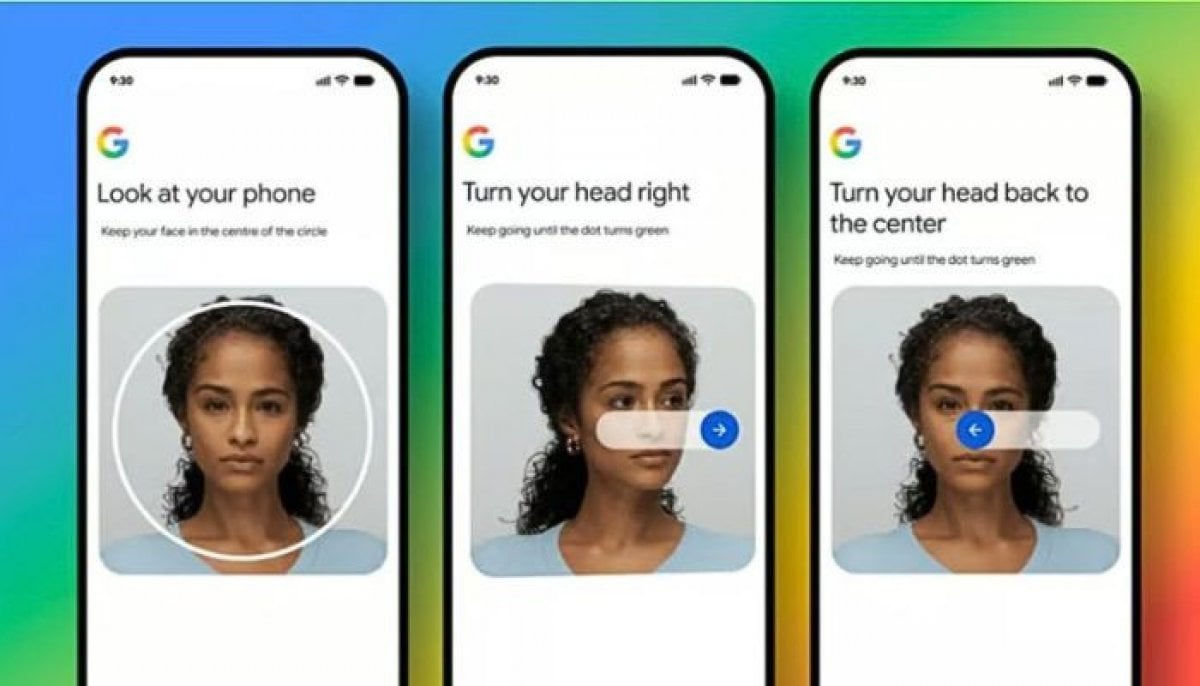
The setup prompts users to look into their phone or computer camera and perform brief guided head movements (e.g., turning side to side) to capture multiple angles.
Google said the system uses multiple security checks, including liveness detection, to confirm the video is being recorded by a real person and to detect impersonation attempts such as AI-generated deepfakes.
Users may be asked to perform simple movements during verification, making it harder for attackers to spoof identities with manipulated videos.
If locked out or attempting to access an account from an unrecognized device, Google asks for a fresh selfie video.
Additionally, the feature allows users to verify their identity and regain access to their Google accounts if they forget their password or lose a trusted device.
Historically, Google has relied on trusted devices, registered phone numbers, recovery options and two-factor authentication for account recovery, as biometric and facial recognition technologies have long raised privacy concerns.


-
 Google adds 'selfie video' sign-in to block deepfakes and account takeovers
 -
 OpenAI sued after ChatGPT's health advice led to medical emergency, lawsuit claims
 -
 Chinese AI model’s role in OpenAI probe raises concerns over US guardrails
 -
 Southern Water ex-CEO charged over alleged wastewater testing fraud
-
 Meta Rejects AI Skepticism: 'We're Betting on People'
 -
 Musk says 'enjoy the ride' on AI, hours before control crisis
 -
 Mark Zuckerberg launches optimistic Meta AI advertising campaign
 -
 How Amazon’s Bezos is using AI to reinvent Prime Video
 -
 Google faces $1B EU fine, holds talks to avoid more penalties
 -
 Google now lets you sign in with a selfie video: Here's how
 -
 Samsung beats Google's Pixels to Gemini Intelligence launch
 -
 Apple's upcoming AI shopping assistant likely to use your chat history, here's why