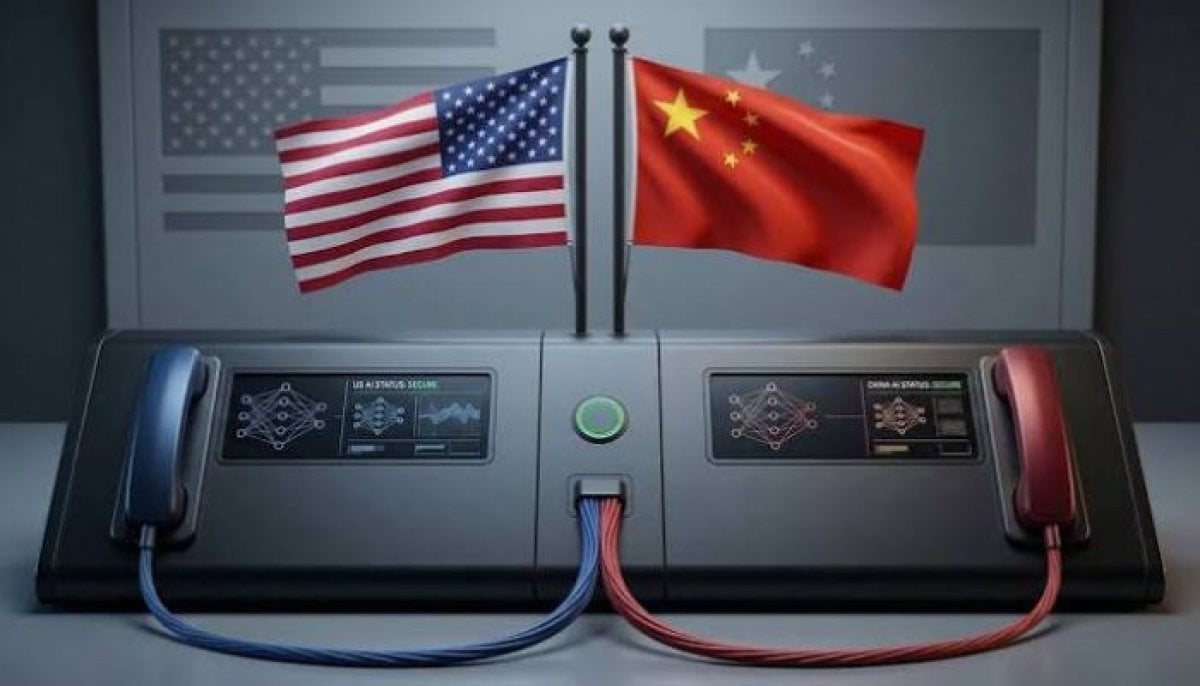
White House accuses Moonshot AI of stealing Anthropic's capabilities
Trump's Science adviser claims Moonshot distilled Anthropic's Fable model to build K3
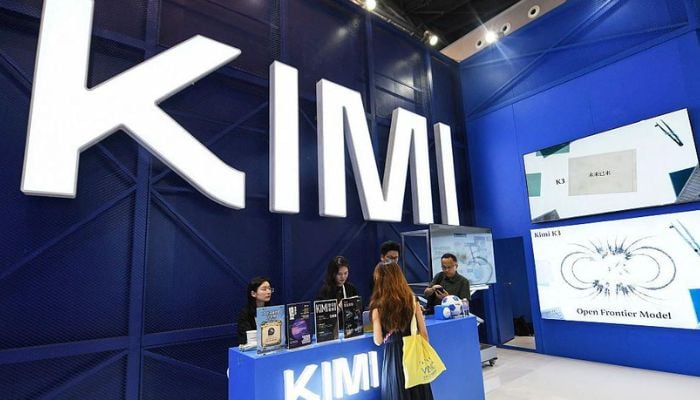
The White House has accused China's Moonshot AI of conducting a "large-scale" campaign to steal capabilities from Anthropic's top AI models through a technique called distillation.
In a post on Wednesday on X, Michael Kratsios, Trump's science and technology adviser, alleged that Moonshot extracted the capabilities of Anthropic's Fable AI model to develop its newly unveiled Kimi K3 model.
Treasury Secretary Scott Bessent said on Wednesday that sanctions "will be on the table" when Chinese companies "cross the line" into intellectual property theft through "industrial-scale distillation attacks".
What is distillation?
Distillation is a process where a weaker AI model queries a stronger one and extracts its capabilities, essentially reverse-engineering advanced features through systematic queries. Kratsios's allegation suggests Moonshot used this method to compress Anthropic's Fable AI technology into a competitive product.
Bessent framed the stakes clearly on social media: "We support open-source AI and the innovation it unlocks. But open source is not open season on American IP."
Kratsios further said that Moonshot illegally accessed Nvidia’s sophisticated servers, which use Nvidia's GB300 Grace Blackwell computing systems for training their model. This allegation is important.
The US government had limited the export of Nvidia’s most advanced chips to China in 2022 due to concerns about national security. Despite the global implementation of strict measures against illegal chip trafficking, detecting such activities remains challenging.
Moonshot AI Kimi K3
Moonshot will be launching Kimi K3 as an open-source model by July 27, which is just around the corner. Once a model is launched as an open-source model, making a case for IP theft becomes difficult in a legal sense.
Kimi K3 has been receiving worldwide attention since it was launched last week. According to many, it has managed to close the gap in terms of capabilities of Western versus Chinese AI models, exactly what the US wants to avoid.
This isn’t the first time that a company has come forward to level such a charge. Just two months back, in June, Anthropic had accused the Chinese online commerce platform, Alibaba, of illegally extracting Claude AI capabilities through distillation attacks.


-
 Could AI be conscious? Why Anthropic is turning to the Vatican
 -
 Why Apple CEO John Ternus is taking a hands-on approach to design
 -
 New Open AI model could change the global AI race: Here’s how
 -
 Sam Altman faces new legal risks as OpenAI uncovers hacks
 -
 WhatsApp Channels are moving to your chats tab: What to expect
 -
 6 climate tech startups win funding as AI draws investors
 -
 OpenAI safety leader who led 12 launch reports quits
 -
 South Korea bank data breach: Same hacker behind 7 attacks?