Google now lets you sign in with a selfie video: Here's how
Google matches new videos against the saved selfie to make user sign-in their accounts
Google has launched a facial recognition authentication method that lets users sign into their accounts using selfie videos. The new feature, now available for eligible Google Accounts, requires users to record guided head movements and compares the video against a stored template to verify identity.
This new feature has been announced by Google in a blog post today, stating that the selfie video sign-in can be used as yet another form of recovery when one’s account is locked out.` The company acknowledged the security risks directly, stating it has built "multiple layers of security to help prevent impersonation attempts like fake photos and videos (i.e., deepfakes)."
How does signing in with a selfie video work for Google accounts?
Setting up selfie video sign-in is easy: users look at their device camera and complete "a few short, guided head movements to capture multiple angles". When signing in later, Google compares the new video to the stored version to confirm identity.
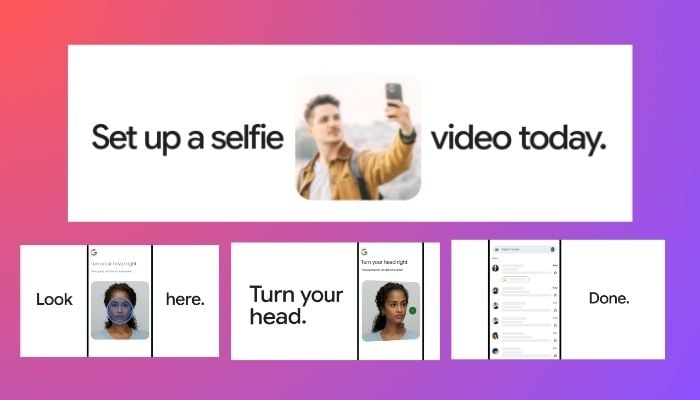
The liveness detection component is crucial to Google's deepfake defence. Google requires users to "perform simple movements to prove it's a live video", not a static image or pre-recorded footage.
The tech giant also matches new videos against the saved selfie and deploys "standard security practices to detect and help prevent suspicious sign-in attempts."
But whether those defences hold against sophisticated deepfake generation remains untested. As AI image synthesis improves, facial recognition systems face escalating threats.
Selfie videos are encrypted at rest and stored with explicit consent. Users can delete their video from Google Account settings at any time. The company states videos are "used only for helping you sign in, unless you opt to share them for additional purposes."


-
 France proposes Google fine plan to cut EU budget contributions
 -
 Google challenges EU orders to open android and search data to rivals
 -
 OpenAI cancels new AI model after troubling behaviour in safety tests
 -
 Meta launches Enterprise Platform: Tech giant targets corporate AI market with new business suite
 -
 Apple and Amazon face revived UK consumer lawsuit over marketplace pricing: Competition tribunal
 -
 Nvidia launches Open Agent Safety Platform to stop AI from going rogue
 -
 Meta AI Muse under fire for sharing user's home address–Here’s what happened
 -
 Bill Gates reveals the one way he refuses to use AI
-
 China weighs allowing ByteDance and Alibaba to buy new Nvidia chips: Here’s why
 -
Bill Gates warns unchecked AI could 'cause a billion deaths': Demands prompt regulation
-
Google restricts new account creation for Iranian users: What to know
-
Are strangers reviewing photos from your Meta glasses? Check settings now