What happened during SpaceX’s 13th Starship test? First upgraded Starlinks successfully deployed
‘We were targeting a softer splashdown and as you saw it came in with quite a bit of velocity still, said SpaceX’
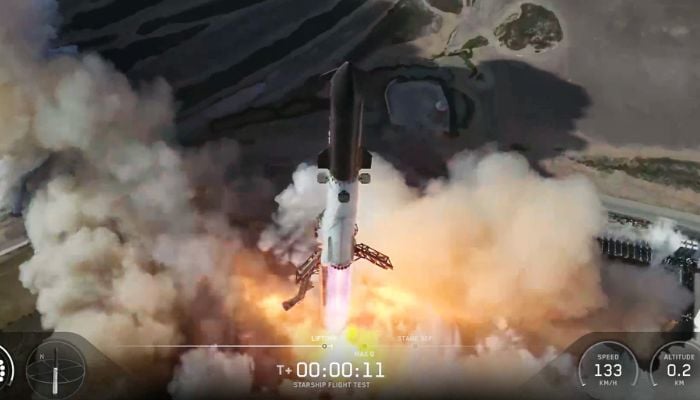
On Friday, SpaceX’s Starship rocket successfully lifted off from Texas and deployed its first 20 upgraded Starlink internet satellites into suborbital space marking the company’s 13th test mission as it plans to launch regular service by the end of the year.
The Starship rocket system lifted off around 6:50 p.m. ET from SpaceX’s Starbase site in Texas.
During the mission, the rocket launched 20 of Starlink’s V3 satellites-a higher-capacity version featuring greater bandwidth and faster internet speeds. As scheduled, they followed the ship’s suborbital trajectory into Earth’s atmosphere.
A crowd of SpaceX engineers at headquarters in Hawthorne, California, could be heard cheering in full flow as the rocket successfully reached key mission milestones on the livestream.
The flight featured a new mission of the rocket significant to the company’s plans. It further incorporates expanding Starlink satellite internet service and landing humans on the moon for NASA by 2028. The primary motive behind this mission is to deploy thousands of artificial intelligence-processing satellites in orbit.
How the mission concluded with Starship’s reentry
The hour-long deployment concluded with Starship’s reentry through Earth’s atmosphere within appreciable damage to its heat shield. No doubt this was a progress from prior tests and a crucial step forward toward CEO Elon Musk’s goal for the rocket to fly and then return like an airliner.
In this connection, SpaceX said: “We were targeting a softer splashdown and as you saw it came in with quite a bit of velocity still.”
Starship key milestones
Starship reached approximately 16,400 miles per hour- approximately about 10 minutes into its flight. While its Super Heavy first-stage booster failed to return to Earth as planned and severely hit the Gulf of Mexico harder than expected.
SpaceX seeks to use the giant Starship rocket to expand its Starlink network with the V3 satellites, adding enough capacity so that regular cell phones can be directly linked to satellites for service outside standard coverage areas.






-
 SpaceX officially unveils 125,000-acre mega spaceport complex at Starbase Louisana
 -
 World’s first space airport is taking shape—What happens next?
 -
 North Sea Oil and Gas: Climate Damage will wipe out economic gains, study warns
 -
 NASA’s new telescope set to uncover mysteries of dark energy, dark matter and exoplanets
 -
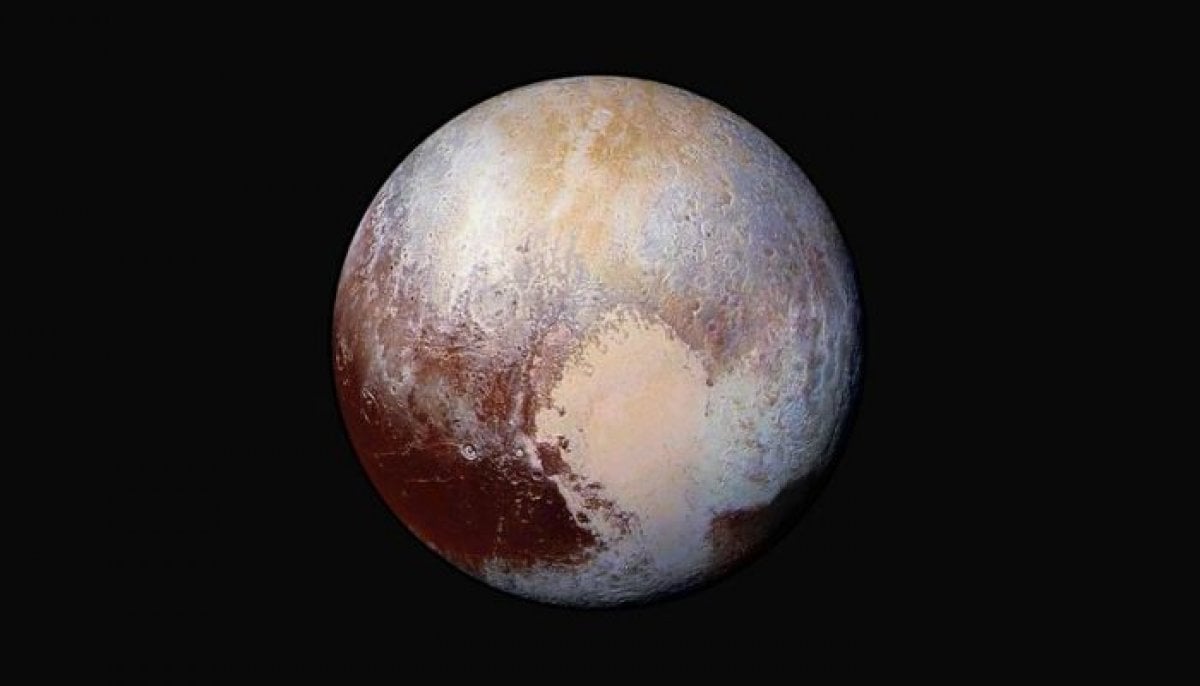 Should Pluto be a planet again? Astronomers revisit its demotion
 -
 China abruptly postpones Chang’e-7 moon mission to search for water–Here’s why
 -
 Rare lunar eclipse lights up skies across the Americas: Where will it be visible?
 -
 US researchers achieve major breakthrough in quantum data transmission through open air