Comet 3I/ATLAS puzzles scientists, revealing secrets of alien worlds
3I/ATLAS’s glowing coma reveals unusual chemical patterns not seen in solar system comets
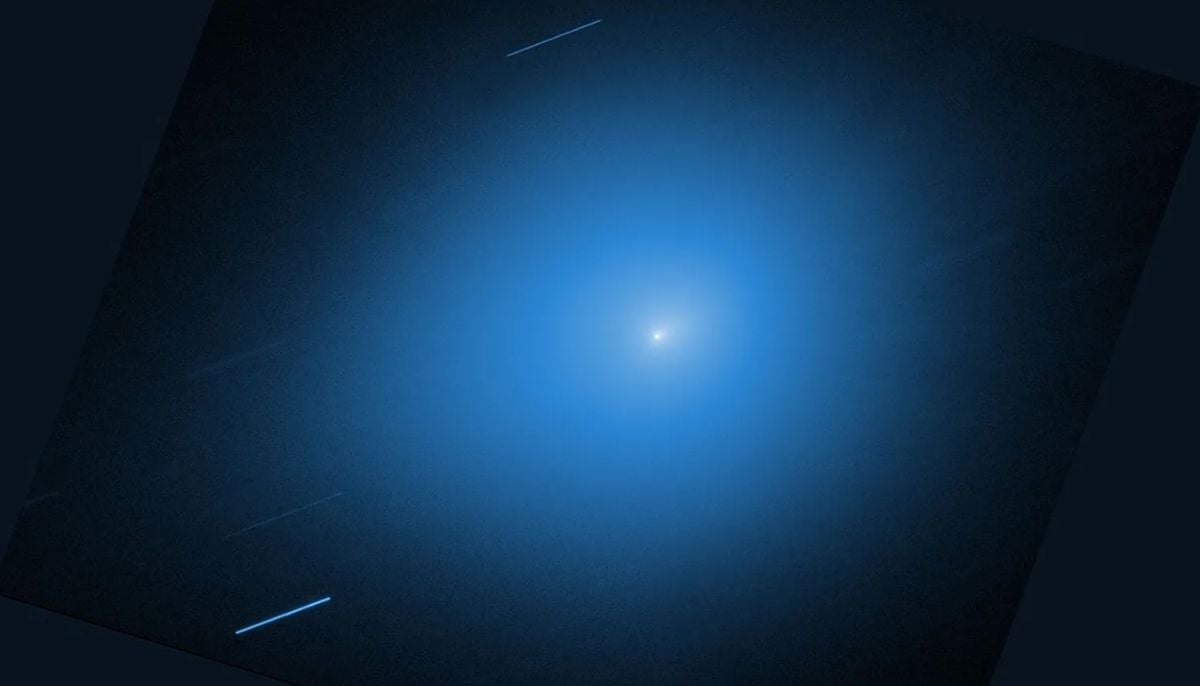
A visitor from another star system is creating excitement in the astronomy community. The comet 3I/ATLAS which was first spotted in July 2025 contains chemical clues that scientists can use to study the formation of other planets, existence of aliens and icy bodies in space.
The Atacama Large Millimeter/submillimeter Array (ALMA) in Chile allows researchers to discover that the comet emitted extremely high amounts of methanol which is a type of alcohol through its luminous gas halo.
Comet 3I/ATLAS reveals unique chemical fingerprint
National Radio Astronomy Observatory (NRAO) Lead Researcher Nathan Roth said, “Observing 3I/ATLAS is like taking a fingerprint from another solar system. The details reveal what it’s made of, and it’s bursting with methanol in a way we just don’t usually see in comets in our own solar system.”
ALMA detected strong signals of methanol (CH3OH) in the comet’s expanding coma, while hydrogen cyanide mainly streams from the nucleus. Methanol is released both from the nucleus and icy grains acting like miniature comets, the first time such behavior has been mapped in an interstellar object.
The high methanol content indicates that 3I/ATLAS likely formed in colder conditions or had a different chemical inventory from our solar system. Methanol is known to be present in comets and to be produced on icy dust grains in interstellar clouds. However, its content is much higher in 3I/ATLAS compared to those found in comets in our solar system.
The comet’s tail and gas jets emit glowing X-rays as solar winds’ particles hit the escaping materials, providing more hints about the composition and structure of the comet.
Discovered by the Asteroid Terrestrial-Impact Last Alert System in July 2025, 3I/ATLAS is the third known object from outside our solar system after ‘Oumuamua in 2017 and 2I/Borisov in 2019.
American University Professor Nathan Roth said that studying the comet is a rare chance to see how building blocks of other planets were made billions of years ago.


-
 Steve Belichick quits UNC football as investigation into program culture concludes
 -
 Ben Hutton joins Ottawa Senators on professional tryout ahead of NHL season
 -
 Manitoba scraps daylight saving clock changes after overwhelming public support
 -
 What the EU partnership could mean for Canada for work, study, and trade
-
 What recent discovered Moon Crater Means for Future Astronauts
 -
 Scientists discover new wild cat species in Bolivia for the first time in a century
 -
 SpaceX turns to failed startups for AI training: Here’s why
 -
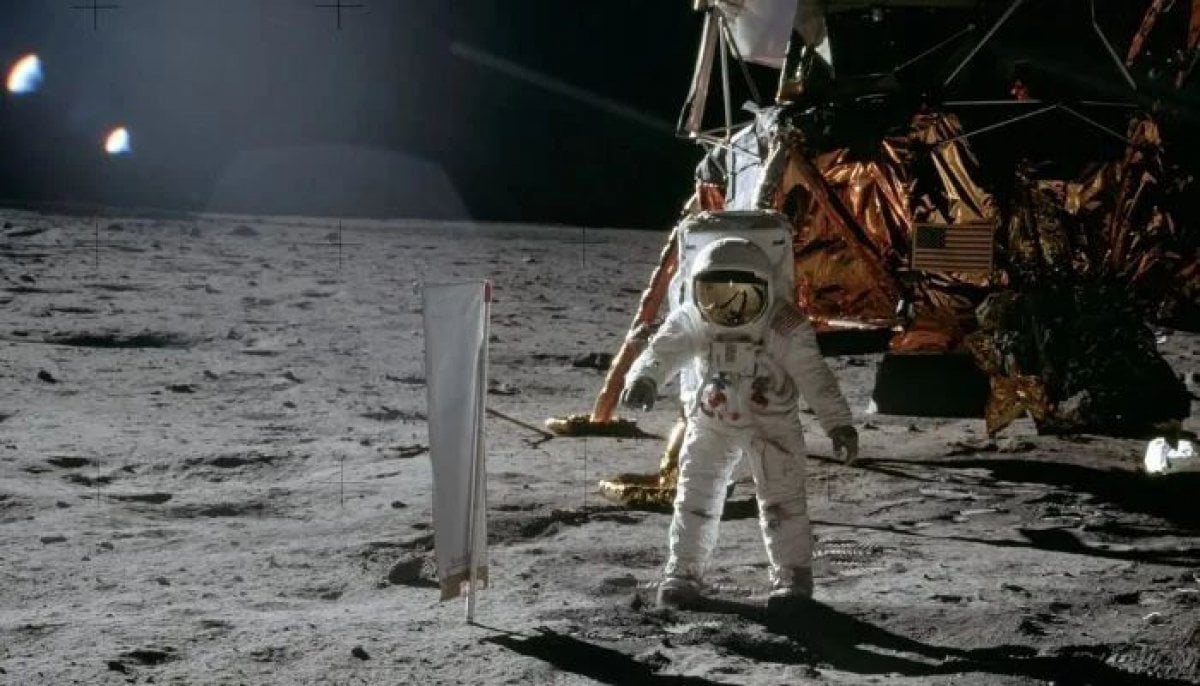 Why US is preparing its troops for possible combat around moon
 -
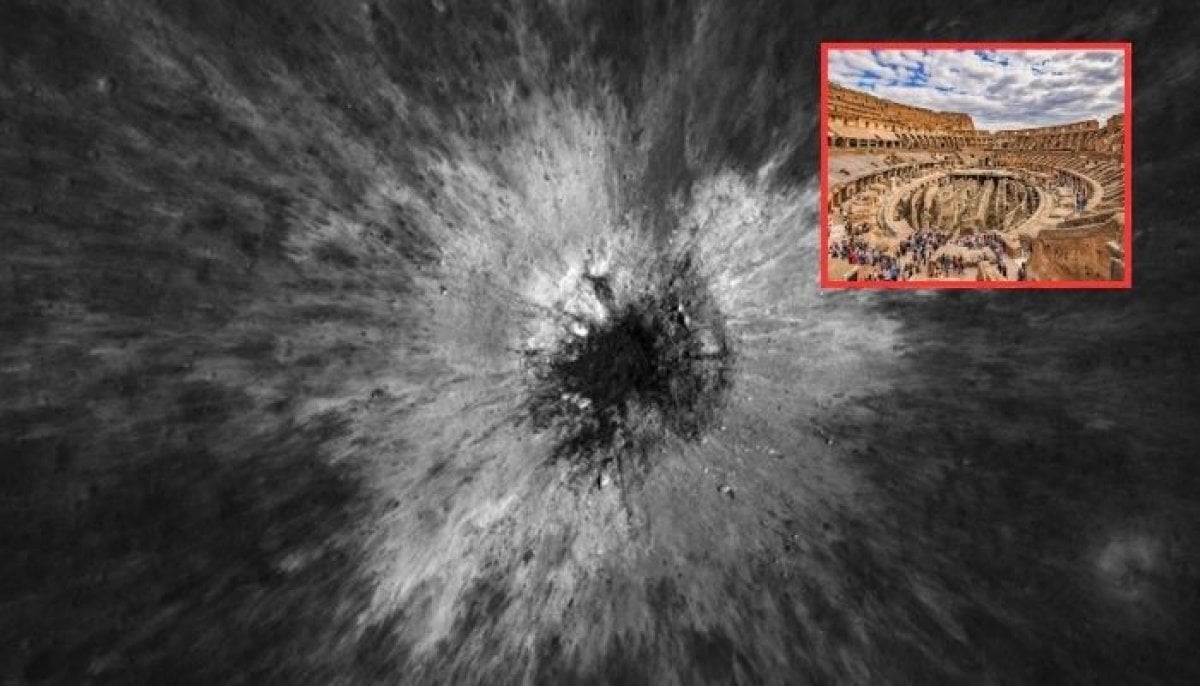 NASA finds ‘once-in-a-century’ moon crater bigger than Roman Colosseum
 -
 Greenland and Antarctica face major ice loss: Key details explained
 -
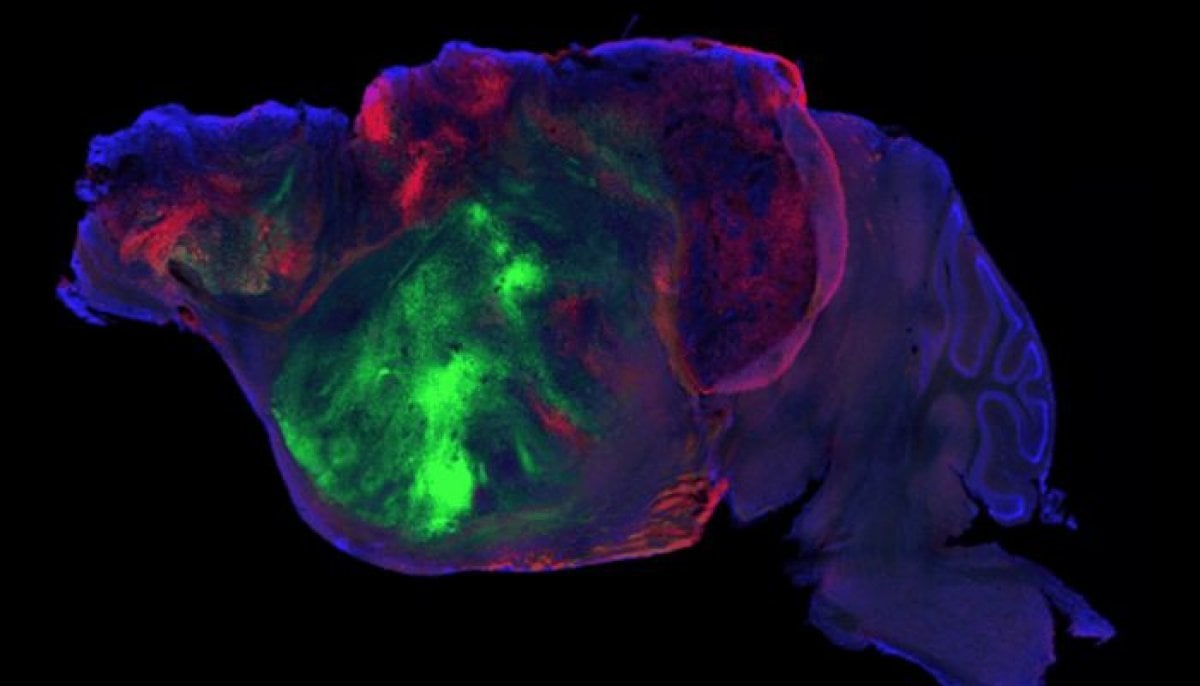 Scientists transplant lab-grown human brain tissue into mice: What they found
 -
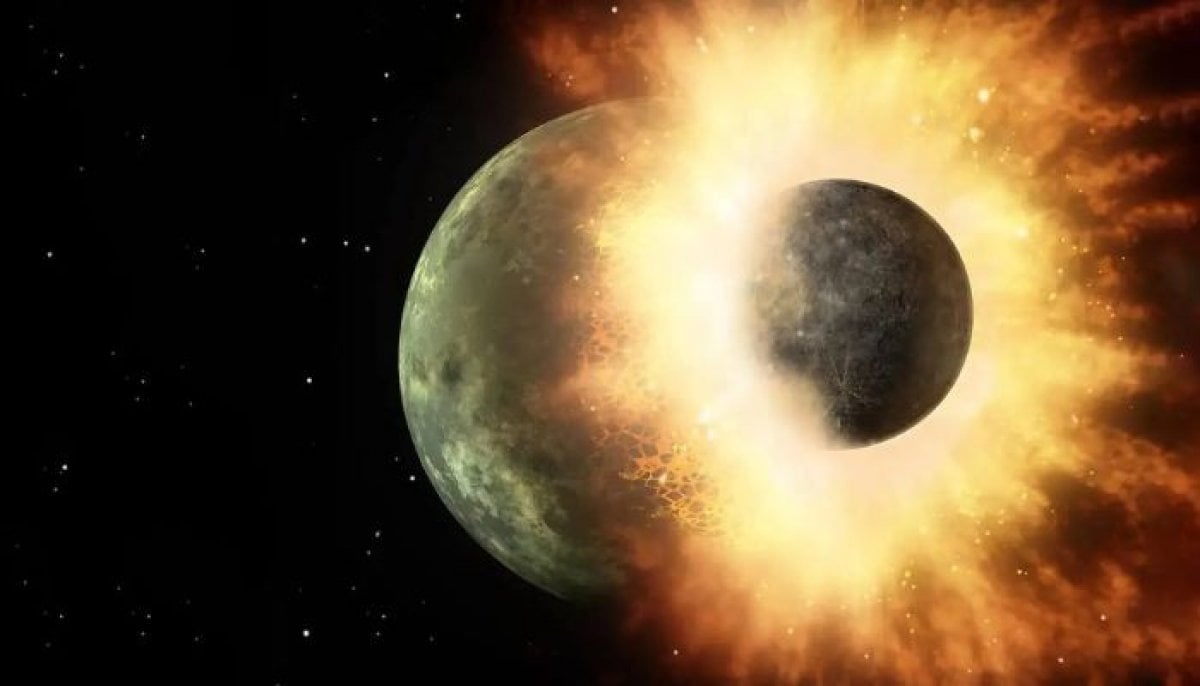 New discovery forces scientists to rethink how Earth formed