Alien contact attempts may have gone unnoticed for decades, study suggests
When alien signals travel through space, there are high chances that these signals might get smeared,
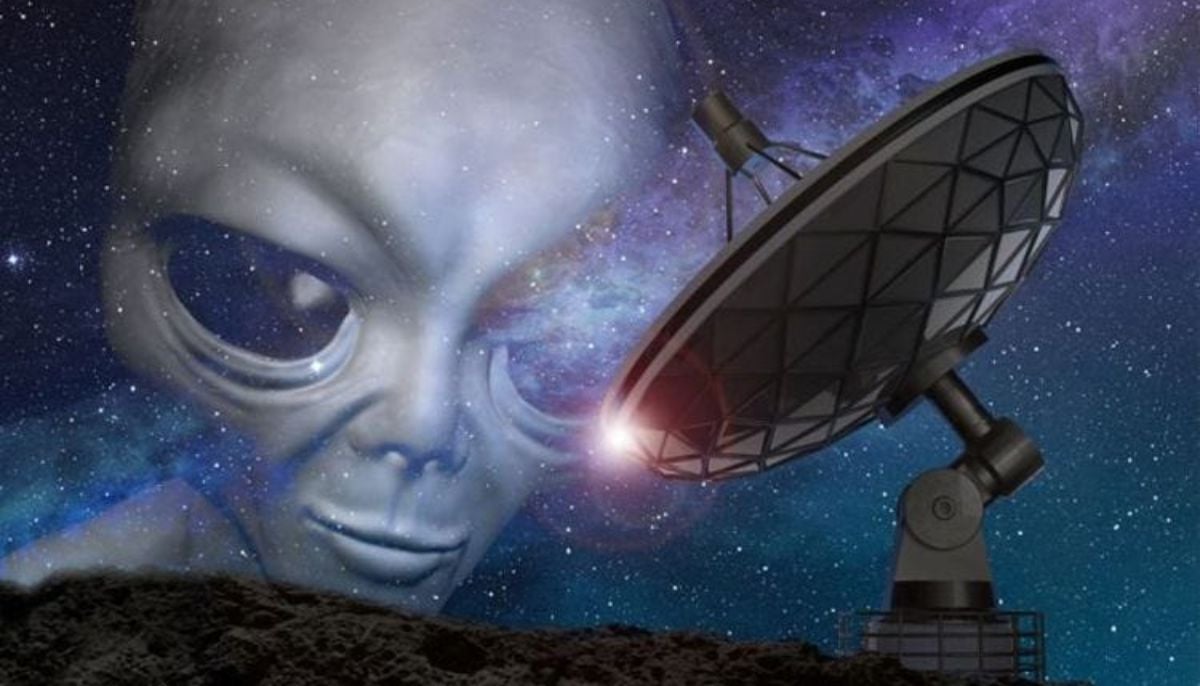
For decades, humanity has been looking for answers to unravel the mystery surrounding aliens’ existence, but they have failed.
A new study has revealed that the search for aliens may be flawed and humans may have overlooked alien contact for years.
According to the scientists, aliens may have been trying to contact us, but humanity is missing their signals due to space weather, responsible for distorting incoming transmissions.
They warned that messages being sent from distant planets hosting extraterrestrial life could be disrupted by activity from nearby stars and solar weather.
Scientists have searched for the existence of non-intelligent beings by hunting for spikes in radio frequencies. Since natural objects like stars or pulsars do not actually make these clean, specific sounds, it is always assumed such sounds are being sent by aliens.
However, the recent study published in The Astrophysical Journal suggests that extraterrestrial life might actually be broadcasting thin, precise signals. When these signals travel through space, there are high chances that these signals might get smeared, making it look like vague background noise rather than a sharp sound.
According to Vishal Gajjar, astronomer at the SETI Institute and lead author of the paper, “SETI (Search for Extraterrestrial Intelligence) searches are often optimized for extremely narrow signals. If a signal gets broadened by its own star’s environment, it can slip below our detection thresholds, even if it’s there.”
“By quantifying how stellar activity can reshape narrowband signals, we can design searches that are better matched to what actually arrives at Earth, not just what might be transmitted,” said Grayce C Brown, co-author of the study and research assistant at the SETI Institute.


-
 Elon Musk announces SpaceXAI rebrand to SpaceXSI following presidential order on 'Super Intelligence'
 -
 ISS Command changes hands in emotional ceremony
 -
 Moon water acts nothing like it does on Earth, study finds
 -
 Hawaii’s Hōlei sea arch collapses after centuries on Big Island: What happened
 -
 Solar system may have a much shorter lifespan than we thought
 -
 Singapore builds world’s ultra-precise clock outperforming US, China
 -
 NASA expands Moon base research with three new investigations
 -
 Are Europe's data centres hiding their water use?