NASA reveals asteroid defense breakthrough to protect Earth from killer space rocks
NASA launched DART spacecraft in 2021
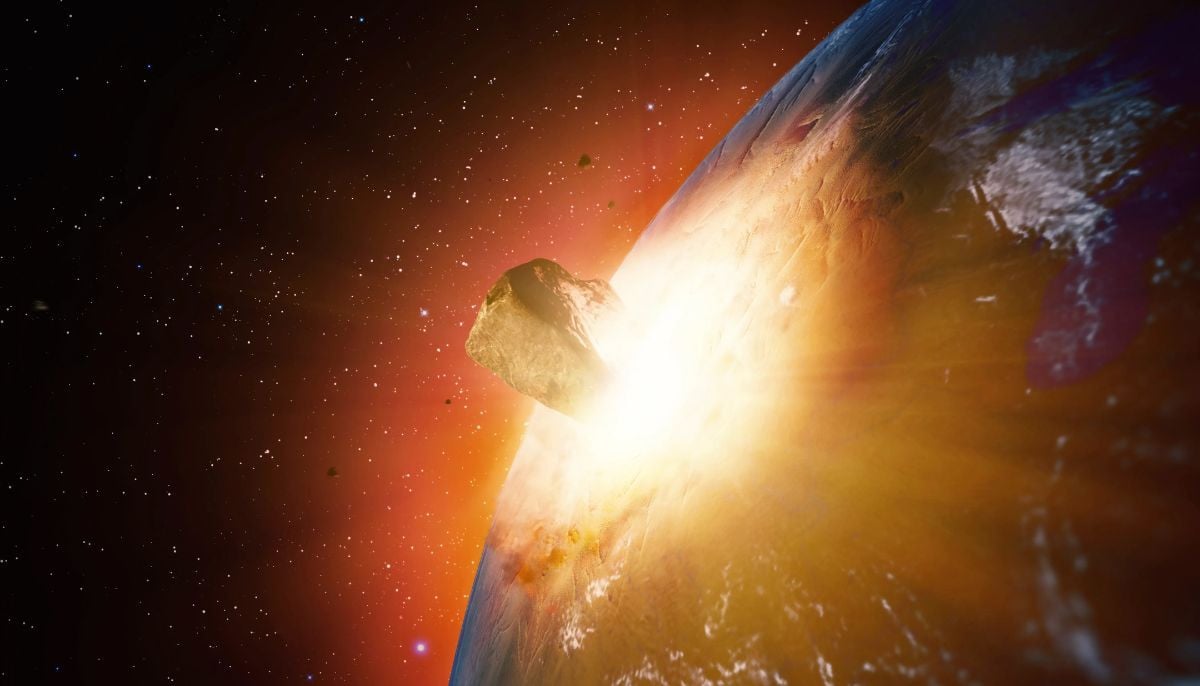
In 2022, NASA conducted an experiment to see if they could protect Earth from massive killer space rocks. The scientist intentionally crashed a spacecraft into a small asteroid named Dimorphos to see if they could deflect it and save the world.
The mission, called the Double Asteroid Redirection Test or DART, eventually proved successful.
But a new study reveals that the DART mission was more than a success for the Planet. The scientists have found that the deliberate crash not only deflected its path around the sun because of the nudge but also shifted the orbit of Dimorphos around its present asteroid.
This is the very first time that NASA has witnessed the deflection of a celestial body around the sun. The recent breakthrough will protect the Earth from future asteroid impacts.
According to Rahil Makadia, the lead author of the study, “If we ever find an asteroid that is headed towards Earth, what we need to do is change its motion around the sun.”
As per study’s findings published in Science Advances, although the changes in deflection are small, a mere 150 milliseconds per journey around the sun, the breakthrough will be enough to shield Earth.
“Even though this seems small, a tiny deflection ... can add up over decades and make the difference between a potentially hazardous asteroid hitting or missing the Earth in the future,” Makadia said.
“For any save-the-planet tests, the key isn’t delivering a huge shove at the last minute. The key is delivering a tiny shove many years in advance,” he added.
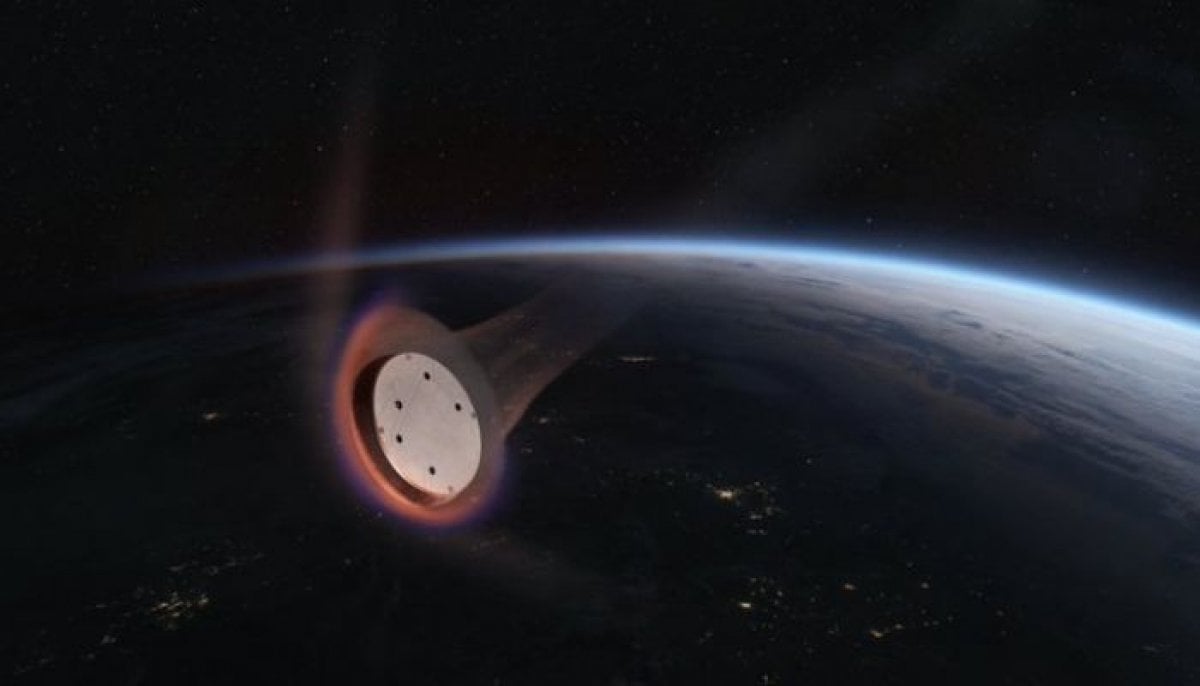
NASA launched DART spacecraft in 2021, aiming to deliberately crash into 535-foot-wide Dimorphos which orbits a bigger asteroid Didymos. Ten months later, a DART was smashed into Dimorphos at 14,000 miles per hour.
At first, NASA saw that the crash changed how Dimorphos circled its partner. But now, after years of watching from Earth, scientists have confirmed that the crash changed their entire journey around the sun, shrinking the asteroids’ 300-million-mile orbit by 2,360 feet.
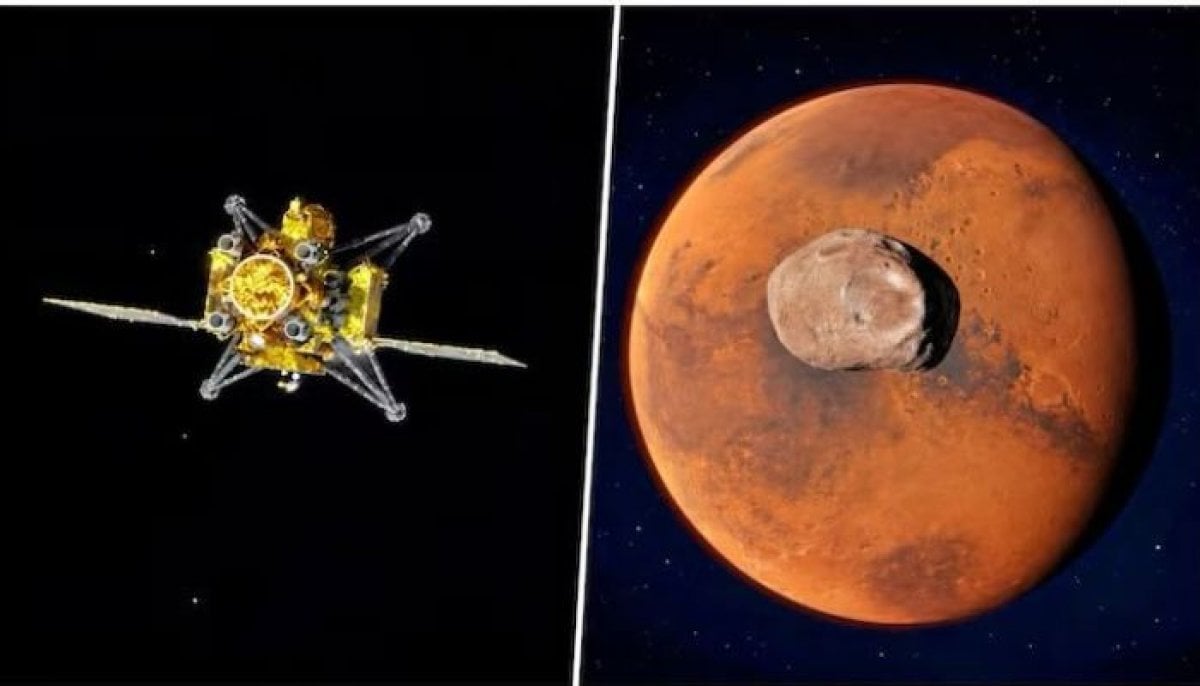
In 2024, the European Space Agency launched a spacecraft named Hera to Didymos and Dimorphos, which is expected to reach in November. According to the scientists, Hera’s data will help them to analyze the impact comprehensively and study the changes in Dimorphos structure.
Steven Chesley of NASA’s Jet Propulsion Laboratory, who took part in the study, said “While it is just a single experiment, it is nonetheless an important data point that will be relevant to any future asteroid deflection missions.”


-
 Scientists develop technology to send smells through phones
 -
 Earth’s close encounter with giant asteroid Apophis is less than 3 years away
 -
 Chinese astronomers discover real-life three-body system unlike Liu Cixin’s fiction
 -
 Hunter’s Moon 2026: When and how to watch October’s full moon
 -
 Elon Musk’s Mars colonization dream faces reality check from Nobel laureate
 -
 NASA competition model 2.0 cuts mission selection by 45%
 -
 A ‘neglected’ neutrino may hold the key to why the Universe exists
 -
 Can cancer drugs be made in space? Here’s what the new mission aims to find out