Are AI’s instant answers costing human intelligence? Royal Observatory issues warning
A reliance solely on AI's instant answers risks losing the habits of questioning
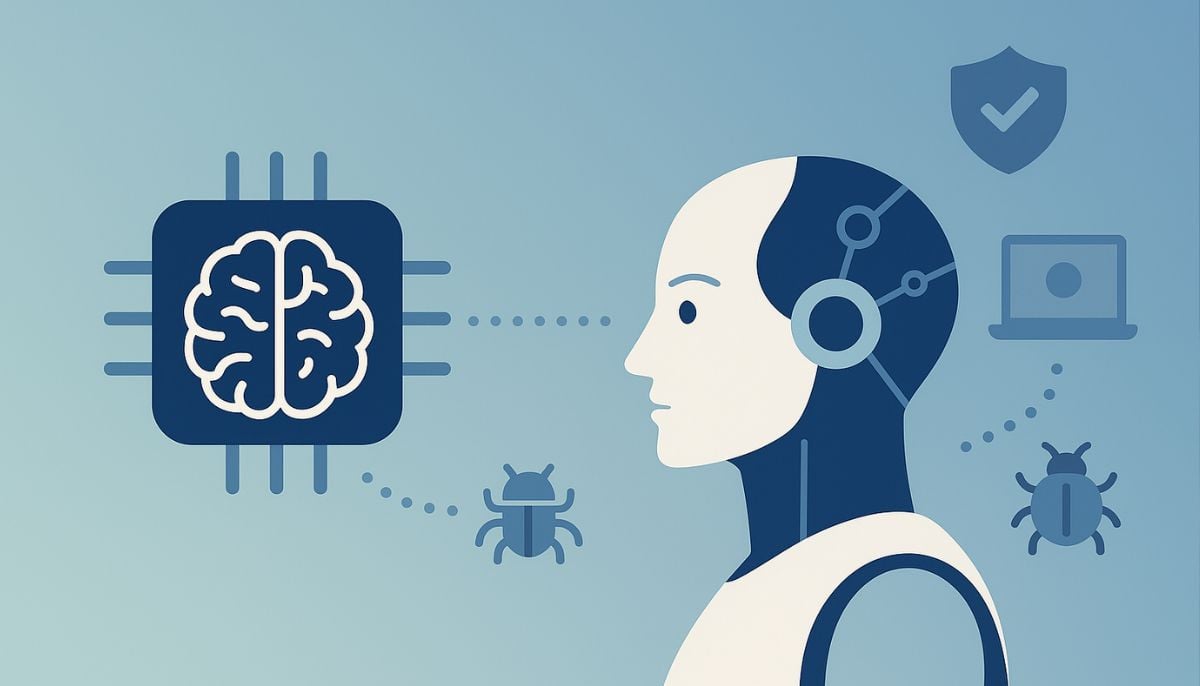
In the rapidly evolving age of artificial intelligence, humans are paying heavy price in the form of dull minds and weakening human intelligence.
A new stark warning regarding how AI is impacting humans’ cognitive skills has been issued by the Royal Observatory Greenwich.
According to one of the UK’s oldest scientific institutions known for its astronomy-based contributions, the increasing dependence on AI tools for solving complex problems and instantly answering complicated questions could make humans “less-intelligent.”
The habit of instant gratification through quick AI-powered answers is costing humans their knowledge and power of curiosity that led to the greatest innovations in history.
Paddy Rodgers, director of the Royal Museums Greenwich group, said, “A reliance solely on instant answers risks losing the habits of questioning and evaluation that underpin knowledge, expertise and innovation.”
Talking about the Royal Observatory’s ongoing “First Light” transformation project, Rodgers told the BBC that the project aims to channel 350 years of astronomical passion into modern scientific discovery.
He also credited technology for unlocking major breakthroughs in science. But according to Rodgers, human curiosity is irreplaceable and should remain so, helping them to delve deep into unexplored questions and come up with ingenious answers.
It is no wrong to say that heavy dependence on AI tools for cognitive offloading is making humans less smart. But at the same time, the world cannot turn a blind eye to AI-powered assistance, unravelling the scientific mysteries.


-
 US politician slams Sam Altman over 'accept some bad things happening' remark
 -
 Italy antitrust regulator opens investigation into AI music startup Suno
 -
 Smart glasses face bans over privacy concerns: Full list of countries
 -
 Mistral AI new model beats Chinese competitors in cybersecurity, claims CEO
 -
 UK regulator probes Meta over child safety risks in Instagram's 'Instants' feature
 -
 OpenAI admits ‘not good enough’ response to Australia government hacks
 -
 Meta, TikTok and X challenge UK watchdog over safety data: What to know
 -
 Norway proposes temporary ban on AI glasses in public spaces over privacy fears