‘Earth is defenseless against city-killer asteroids’: NASA issues stark warning
The asteroid 2024 YR4 served as a recent "near-miss" warning for planetary defense

NASA has raised red flags over growing asteroid threats that could potentially damage the Earth.
To one’s surprise, astronomers are unaware of the location of thousands of “city-killer” asteroids that pose risks to the planet, as admitted by NASA’s head of planetary defence.
According to Kelly Fast, who is acting planetary defense officer for NASA, around 15,ooo medium-sized rocks are undetected.
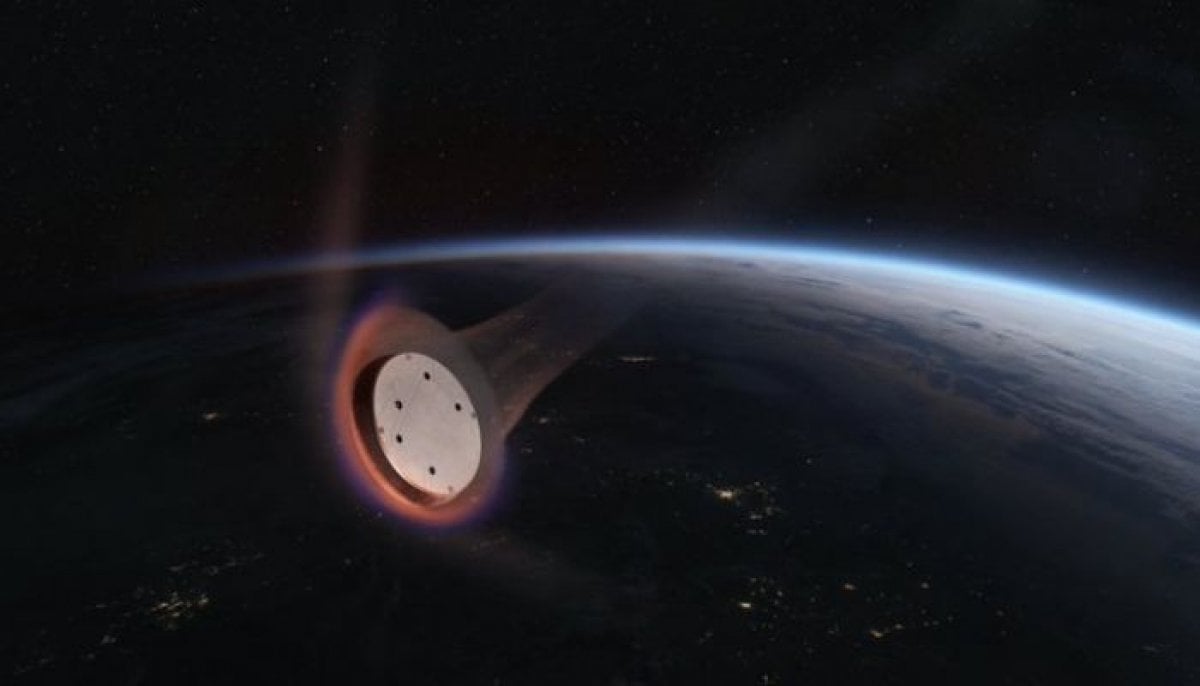
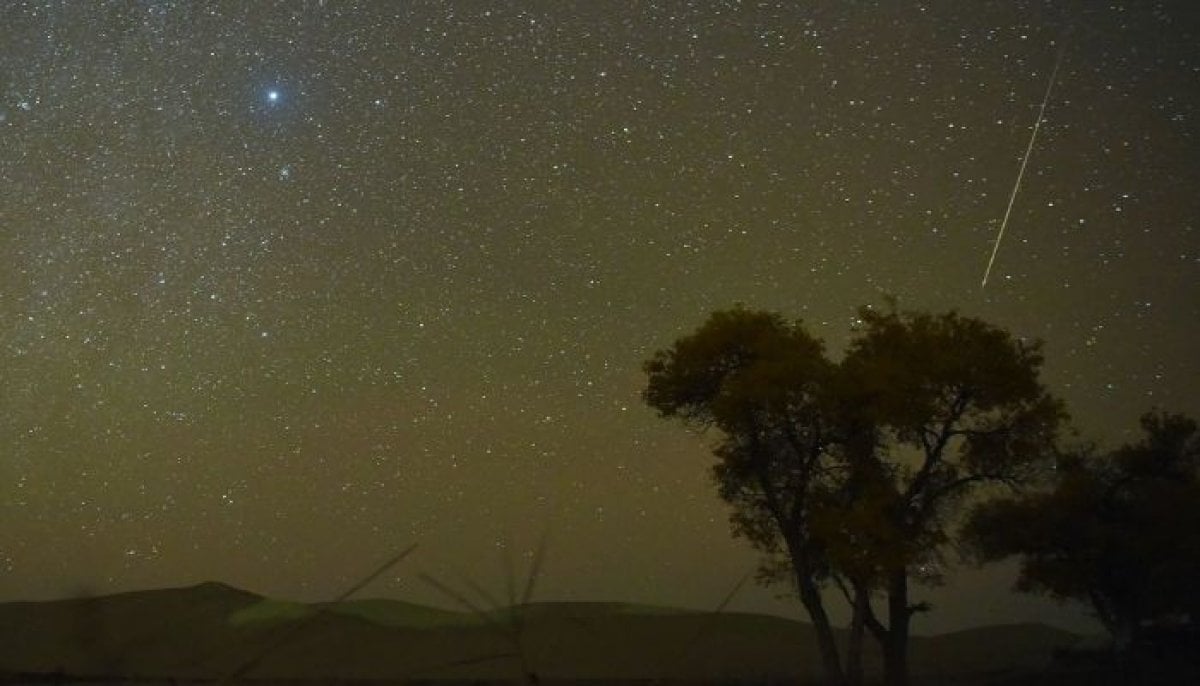
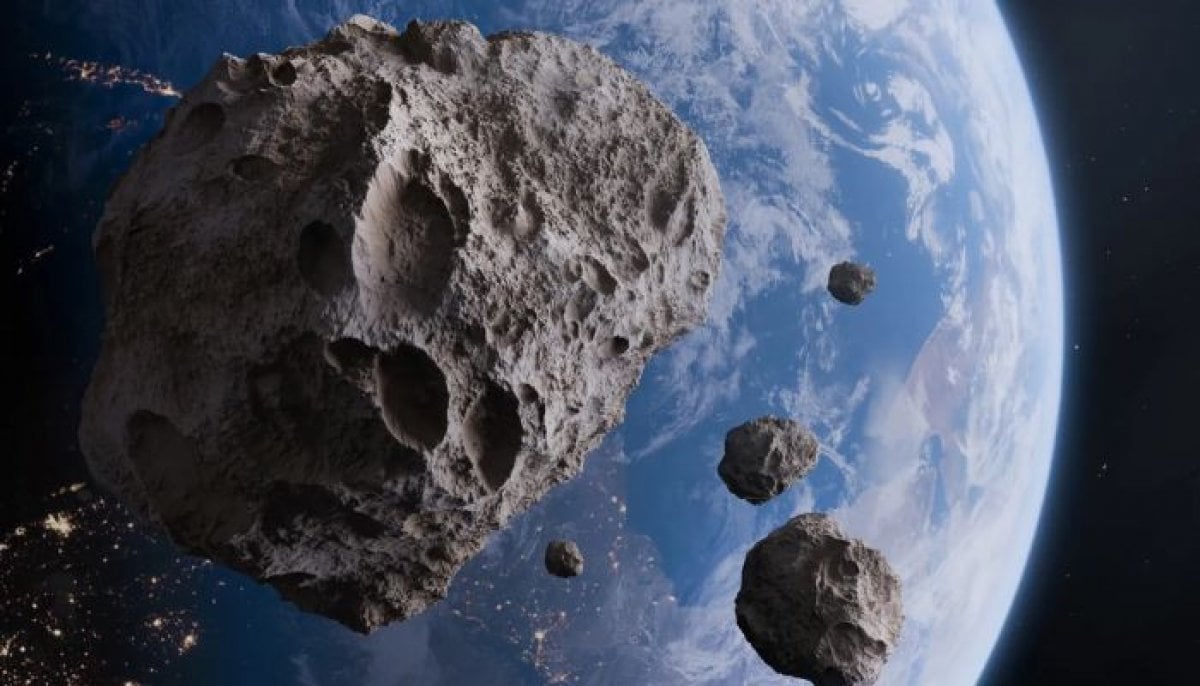
These massive rocks are at least 140m in diameter and also known as city-killers asteroids. In the case of any strike on Earth, these rocks could potentially cause regional damage, Fast said at the American Association for the Advancement of Science annual conference in Phoenix.
“It’s estimated there are about 25,000 of those and we’re only about 40 per cent of the way through. It takes time to find them, even with the best telescopes,” Fast said.
Earth is defenseless
To make matters worse, Earth is defenseless against those city-killer asteroids if one of these rocks appears to be crashing towards Earth, as warned by Dr Nancy Chatbot, a planetary scientist at John Hopkins University.
"We worry about these city killer asteroids,” Chabot said.
Last year, the threat of crashing YR4 asteroids into Earth put the astronomers at high alert. Fortunately, later it was found out that the asteroid was moving away from Earth, but its trajectory could put it on collision course in 2032.
According to Dr Chatbot, there is still a possibility that it could hit the Moon and the collision would be so intense it would be visible from Earth with the naked eye.
Dr Chatbot added, “If something like YR4 had been headed towards the Earth, we would not have any way to go and deflect it actively right now. We could be prepared for this threat. And I don’t see that investment being made.”


-
 Scientists develop technology to send smells through phones
 -
 Earth’s close encounter with giant asteroid Apophis is less than 3 years away
 -
 Chinese astronomers discover real-life three-body system unlike Liu Cixin’s fiction
 -
 Hunter’s Moon 2026: When and how to watch October’s full moon
 -
 Elon Musk’s Mars colonization dream faces reality check from Nobel laureate
 -
 NASA competition model 2.0 cuts mission selection by 45%
 -
 A ‘neglected’ neutrino may hold the key to why the Universe exists
 -
 Can cancer drugs be made in space? Here’s what the new mission aims to find out