
12 documentaries launched to promote tolerance and inclusiveness
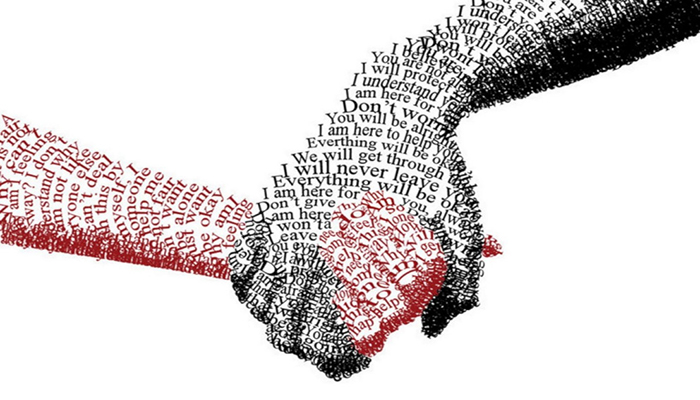
In a bid to counter extremism and tribal conflicts that seem to have intensified in different parts of Sindh, especially in Khairpur, Shikarpur and Jacobabad districts, a filmmaking organisation has initiated a documentary programme titled ‘Stories of Sindh’ to encourage the youth to come together to help restore the reputation of Sindh as a region which historically nourished inclusive societies.
The Mehrdar Art & Production (MAP) had selected and trained 25 youths each from Khairpur, Shikarpur and Jacobabad districts in the documentary production between July 17 and July 22. The participants produced 12 films based on positive narratives, using examples of diversity and communal harmony.
The virtual launch of the 12 films was held on Sunday through a virtual session attended by participants and the trainer. However, a physical launch has also been announced, which will take place on October 9, 2020, at Shah Abdul Latif Bhittai University, Khairpur.
The short documentaries with the maximum length of four minutes include ‘An Inspirational Polio Worker’, ‘Art Knows No Limits’, A Tailor’s Journey’, ‘Unvoiced Citizens’, ‘Sports for Women Empowerment’, ‘Preserving the National Literary Heritage’, ‘The Struggle for Freedom of Women’, ‘Using Radio for Social Change’, ‘A struggle for women education and peace’, ‘Empowering Women through Sports’, ‘Dream of a Humane and Peaceful Jacobabad’, and ‘Journey in Rhythm’.
The training was conducted by award winning filmmakers Haya Fatima Iqbal, Haseeb Halai and Ali Brohi. Haya said that during various stages of the workshop, participants came to understand how positive storytelling could bring communities together and how powerful documentaries could remind the audience about what was common between them and others.
She added that the documentary filmmaking focused on ‘grey’ instead of the ‘black and white’, and one of the main purposes of the medium of documentary was to find nuances in people’s lives that celebrated humanity and diversity instead of creating schisms.
“We had participants from different religions and sects, and we had a considerable female presence in a much larger group of men – but everyone respected each other and listened to each other’s thoughts and feelings very respectfully,” she said.
According to the founder of MAP, Muhammad Fahim, radicalisation in the parts of Sindh had resulted in intolerant environment which resulted in social and psychological disorders for many people including young girls and boys.







-
 Prince William 'worst Nightmare' Becomes Reality
 -
 Thai School Shooting: Gunman Opened Fire At School In Southern Thailand Holding Teachers, Students Hostage
 -
 Britain's Chief Prosecutor Breaks Silence After King Charles Vows To Answer All Andrew Questions
 -
 Maxwell Could Get 'shot In The Back Of The Head' If Released: US Congressman
 -
 New EU Strategy Aims To Curb Threat Of Malicious Drones
 -
 Halle Berry On How 3 Previous Marriages Shaped Van Hunt Romance
 -
 Facebook Rolls Out AI Animated Profile Pictures And New Creative Tools
 -
 NHS Warning To Staff On ‘discouraging First Cousin Marriage’: Is It Medically Justified?
 -
 Andrew Mountbatten-Windsor Flew Money In Suitcases To Launder: New Allegation Drops
 -
 Nancy Guthrie Abduction: Piers Morgan Reacts To 'massive Breakthrough' In Baffling Case
 -
 Will Warner Bros Finalize Deal With Paramount Or Stays Loyal With Netflix's Offer?
 -
 Adam Mosseri Set To Testify In Court Over Social Media Addiction Claims
 -
 Palace Spotlights Queen Camilla For Her Work With Vision-impaired Children A Day After Andrew Statement
 -
 Kim Kardashian Still 'very Angry' At Meghan Markle, Prince Harry
 -
 Texas Father Guns Down Daughter After Heated Trump Argument
 -
 Andrew, Sarah Ferguson Quietly Adopts New Strategy To Control Public Narrative