
Pakistanis are burdened by high cost of power
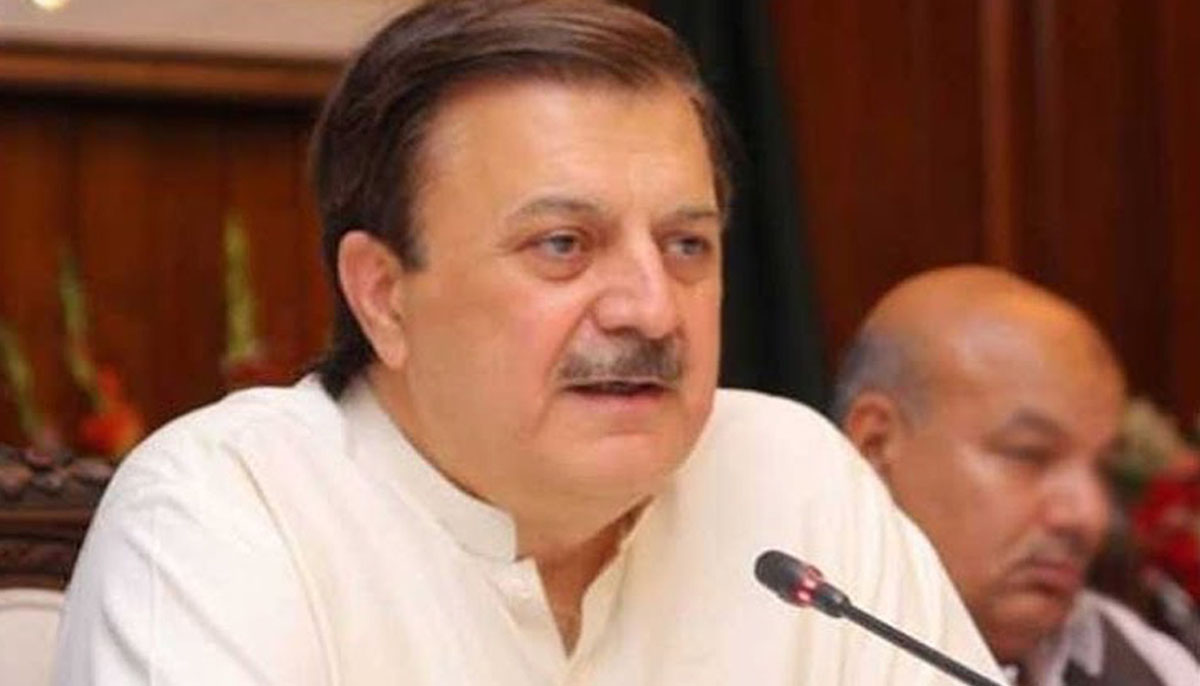
LAHORE: Availability of reliable and affordable energy is critical for businesses to flourish and citizens to thrive, said Humayun Akhtar Khan, Chairperson and CEO Institute for Policy Reforms on Sunday.
Speaking at an online event held by the institute, Humayun Khan said one third Pakistanis do not have access to power, and that those who do, suffer from unreliable and expensive supply. He highlighted the looming challenge of climate change and environmental degradation.
Special Assistant to Prime Minister Nadeem Babar shared his government’s reforms plan for low cost and sustainable energy supply to people. He emphasised that there can be no improvement until the state-held monopoly is broken and the sector opens up to competitive market forces.
Government’s one important target is greater reliance on domestic fuel input for generation by utilising Thar coal and tapping into the country’s hydroelectric potential, he said. He shared his government’s ideas for much needed regulatory reforms that create an open trading environment to buy and sell energy.
This will build efficiency and competition, he said and added that subsidies provided by the government should be targeted towards those who cannot pay. Pakistan needs more private energy terminals for LNG. In a market based system, sellers should pay a toll to access the pipeline for onward sale to consumers. To improve air quality, from September this year, all petrol imports will comply with Euro Standard 5. Diesel imports will conform with Euro 5 from January 2021, he said.
He recognised that energy supply was unreliable and shared government’s plans to raise supply to meet demand, in order to satisfy the needs of a growing economy. His government’s agenda was SARA, an energy sector that was sustainable, affordable, practiced responsible use, and was available for all. Senator Rukhsana Zuberi urged the government to prioritise and shift its focus to renewable energy.
As a long-term proponent of solar power, she stated that it is now more affordable than before, and the government must strongly advocate and initiate solar projects to popularize them, she said and criticised what she saw was a lack of integrated planning for the energy sector. She counseled the government to concentrate on efficiency and conservation.
While future plans were all very well, Pakistani people and firms were burdened by high energy costs and unreliable supply today. So far, what was sold as market based systems and privatisation had brought high cost without any improvement in service quality, she said. Indeed, concern about gap between policy proposals and actual achievement was a common theme of the meeting. FPCCI President Mian Anjum Nisar emphatically stated that the industry is struggling to survive because of high costs of energy. Pakistani industry is fast losing competitiveness, he said and critiqued the power supply organisations (Wapda, DISCOS and KE) for inefficient maintenance of supply feeders, failing to ensure consistent, uninterrupted power supply.
“Our entire economy is paying for the cost of this inefficiency. We need to bring down the costs to at least the same level as the rest of the region. Otherwise the industries cannot continue, jobs cannot be created, our products lose competitiveness in the market, and trade deficit will rise,” he said.
Dr Saleem Ali, Professor University of Delaware, recommended a systems approach from the point of view of energy density and efficiency.
The government must prioritise the most effective sources of energy for the economy. While government’s goal for self-reliance and energy security was understandable, it must not come at the cost of efficiency. While Pakistan develops resilience within its domestic systems, government must also build better international alliances to obtain resources at cost, Dr Ali said and highlighted need for smart grids with storage capacity in areas where it can be effective.
He suggested that the pipeline infrastructure deserves more attention: high maintenance costs require that areas of energy density should be prioritised.
He ended his talk by sharing a hierarchy of global problems created by Nobel Laureate Richard Smalley, which placed the need for energy at the top of all global problems. Energy is ranked above water and food.


