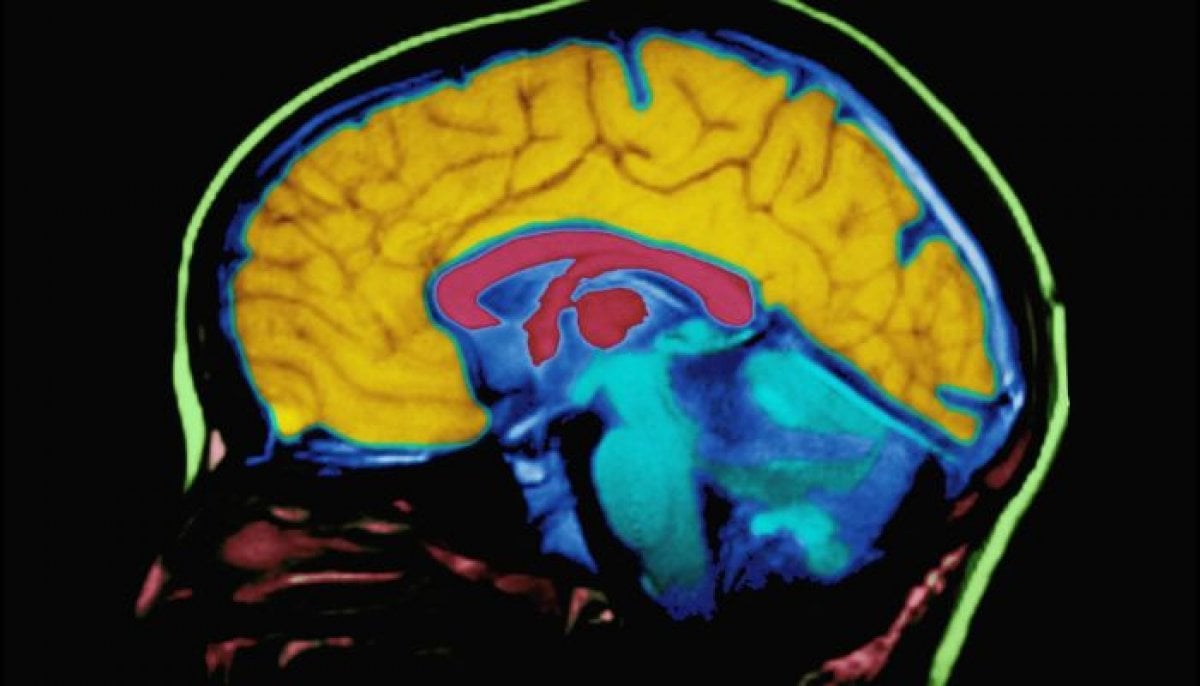
Eric Dane's death becomes symbol of ALS awareness
Eric Dane lost his life after a long battle with ALS on February 19, 2026

Eric Dane, best known for his role as Dr. Mark Sloan in Grey’s Anatomy, has faced one of the most devastating neurological diagnoses: amyotrophic lateral sclerosis (ALS).
"I have been diagnosed with ALS,” he shared with PEOPLE magazine, adding, “I am grateful to have my loving family by my side as we navigate this next chapter.”
“I kindly ask that you give my family and I privacy during this time," Dane further said.
While the actor has largely kept his health struggles private, his journey highlights the harsh reality of a condition that progressively robs individuals of their muscle function and independence, especially after his passing on February 19, 2026.
ALS, often referred to as Lou Gehrig’s disease, is a rare but fatal neurodegenerative disorder that affects nerve cells responsible for voluntary muscle movement. The disease does not only challenge the body, it also deeply impacts emotional resilience, relationships, and identity.
The late actor admitted to Brad Falchuk during their confidential taping of Famous Last Words during November of 2025, an interview that he understood would only be released after his death.
Addressing his two daughters in his final interview, Dane said, “Billie and Georgia, these words are for you. I tried. I stumbled sometimes, but I tried. Overall we had a blast, didn’t we? I remember all the times we spent at the beach, the two of you, me and mom — in Santa Monica, Hawaii, Mexico.”
In his long interview, Dane gave sincere advises to his daughters detailing how he also learned to live life despite his health struggles.
“Billie and Georgia, you are my heart. You are my everything. Good night. I love you. Those are my last words,” Eric Dane concluded.
What is ALS?
Amyotrophic lateral sclerosis (ALS) is a progressive condition that targets motor neurons—the nerve cells in the brain and spinal cord that control muscle movement.
As these neurons degenerate and die, the brain loses its ability to initiate and control voluntary movements. Over time, muscles weaken, shrink, and eventually stop working.
ALS typically affects people between the ages of 40 and 70, though it can occur earlier. Most cases are sporadic (with no clear genetic cause), while about 5–10% are inherited.



-
 Novo says new Ozempic shows lower cardiovascular risk compared with Lilly’s Mounjaro
 -
 University of Nottingham researchers say new gel could regrow tooth enamel in weeks
 -
 New Chinese drug extends stroke treatment window from hours to 2 days: study finds
 -
 Trump’s FDA nominee Heidi Overton defends vaccines, contradicting his claims
 -
 New once-weekly insulin injection for type 2 diabetes wins FDA approval
 -
 Study identifies key cause of fatigue and brain fog
 -
 Apple’s screenless fitness tracker plans revealed: What to know
 -
 Rabies concerns grow in US, sparking health warnings over fatal virus